

1. Check free credit report laws and official providers
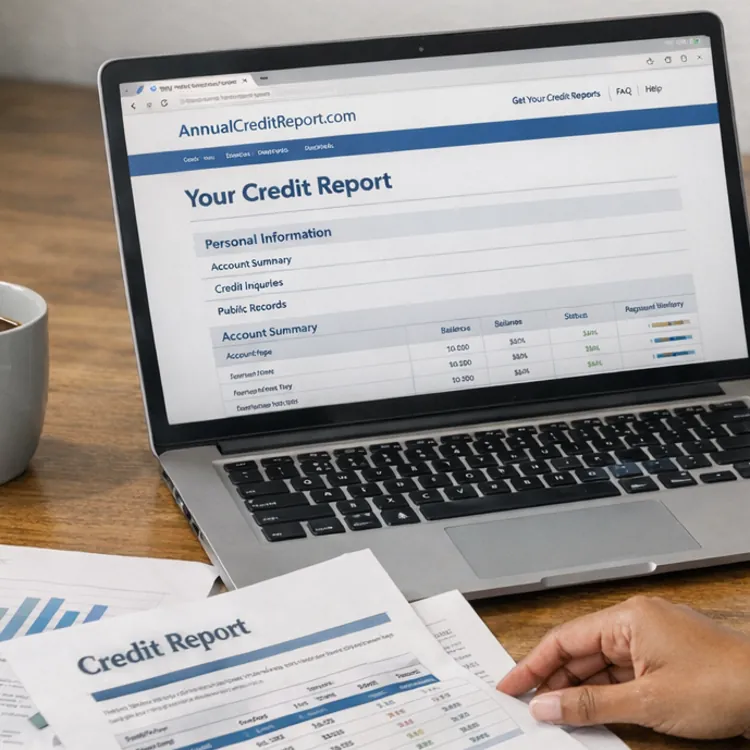
Where you get your report depends on where you live. In the U.S., AnnualCreditReport.com is the only federally authorized site for free credit reports. Through December 2026, you can request one free report per credit bureau every week, up to 156 per year. In the U.S., it’s the “easiest way to get a free credit report,” according to Brittany Greene, head of community at Self Financial.
Other countries may offer fewer free reports, but they still provide regulated access through credit bureaus. For example, in Canada and the U.K., you’re entitled to one free report per year per bureau.
| Country | Official source(s) | Free report frequency | Individual or business |
|---|---|---|---|
| U.S. | AnnualCreditReport.com | Weekly per bureau (through 2026) | Both |
| Canada | Equifax, TransUnion | 1 per 12 months per bureau | Both |
| U.K. | Experian, TransUnion, Equifax | 1 per 12 months per bureau | Both |
| Australia | Equifax, Experian | 1 every three months | Both |
» IN THE NEWS: Equifax gives its credit report a makeover
Decide between individual and business credit report requests
Consumer credit reports and business credit reports track different kinds of financial and debt information. If you own a business, you’ll need to decide which credit report to run.
Consumer credit reports show your personal credit accounts, loans, payment history, public records and inquiries. Business credit reports, on the other hand, record company credit behavior, vendor payments and lending activity.
If you’re applying for a mortgage or personal loan, request an individual report. If you want to monitor your business’s credit or apply for business financing, request a business credit report.
Know your free credit report rights and eligibility
Every country has laws that determine how often you can get a free copy of your credit reports. Under the Fair and Accurate Credit Transactions Act (FACTA), U.S. consumers are entitled to one free credit report every 12 months from each of the three credit bureaus.
However, you can access your credit report for free weekly until December 2026. Pulling one free report per bureau every week is helpful if you're actively monitoring or repairing your credit, so you may want to take advantage of this service while it lasts.
In Canada, and the U.K., you can typically request one free report per bureau every 12 months, and in Australia, one every three months, depending on the bureau.
You may also qualify for additional free credit reports under certain circumstances. For example, Equifax allows additional reports in the following situations:
- If you’ve been denied credit within the past 60 days based on information in your credit reports
- If you’re unemployed and plan to seek employment within 60 days
- If you receive public assistance
- If you’ve placed a fraud or scam alert on your credit reports because you believe you are or could be the victim of fraud or identity theft
- If your state offers a free or reduced-price credit report
2. Select the safest way to request your free credit report
Once you know where to get your report, decide how you want to request it. You can do it online, by mail or by phone. Occasionally, you may request one in person. Online is the fastest, but phone or mail may work better if you can’t verify your identity digitally or need an accessible format like Braille, audio or large print.
Make sure to only use the official site when you’re requesting a free credit report. Many phishing pages often mimic bureau websites, so pay extra attention.
| Method | Speed | Accessibility | Security level | Best for |
|---|---|---|---|---|
| Online | Immediate (U.S.) | Limited | High (if official) | Fast, standard needs |
| 7 to 15 days | Yes (Braille, large print, etc.) | High | Accessible formats | |
| Phone | 7 to 15 days | Teletypewriter available | High | No internet access |
| In-person | Varies | Varies | High | Special cases, rare |
How to request your credit report online
If you have a secure internet access, you can request your credit report online:
- Go to AnnualCreditReport.com.
- Enter your personal details exactly as they appear on your ID.
- Answer a few verification questions about past loans or accounts.
- View or download your report.
How to request your credit report by phone
If you prefer or require accessibility formats, a phone request may be the best option:
- Call 877-322-8228.
- Complete a verification process over the phone.
- Expect your report in around 15 days.
How to request your credit report by mail
Another option to consider if you don’t have internet access is mailing a request form:
- Download, print and complete the request form.
- Mail the completed form to:
Annual Credit Report Request Service
P.O. Box 105281
Atlanta, GA 30348-5281 - Expect your report within 15 days.
How to request your free credit report in accessible formats
If you’re blind or visually impaired and require an accessible format, you can ask for your free annual credit reports in Braille, large print or audio formats:
- Call toll-free at 877-322-8228.
- Verify your identity by providing personal information.
- Certify that you’re blind or a person with a visual impairment.
- Pick the format you want.
- Expect your credit report in about three weeks.
If you’re deaf or hard of hearing, you can call 7-1-1 and refer the operator to 800-821-7232 to access telecommunications device for the deaf (TDD).
3. Prepare your documents and information for identity verification
Before requesting your report, gather the documents you need to prove your identity. Collecting the appropriate documents helps avoid failed verification or delays, especially with mail or phone requests.
You’ll typically need to provide the following personal information:
- Full legal name
- Current address and previous address (if you moved in the last two years)
- Social Security number or equivalent government ID
- Date of birth
- Copy of government-issued photo ID (mail and in-person only)
- Proof of current address (utility bill and bank statement dated within 60 days)
Note that most verification processes will ask you a couple of identity questions, and any mismatch may delay your report for up to 30 days. So if you can’t answer the verification questions online, switch to mail and include supporting documentation.
4. Avoid free credit report scams
Free credit report scams are common, especially online. Some sites advertise a free credit report but later charge monthly subscription fees or sell your data to marketers.
To help you better understand your options, check out the differences between official credit bureau reports and third-party services.
| Provider type | Cost | Data security | Report completeness | Risks |
|---|---|---|---|---|
| Government | Free | Highest | Full | None if official site |
| Third-party services | Tiered pricing | Varies | Partial/score only | Data sale, hidden fees |
| Paid services | $10 to $20 | Varies | Full/extra features | Unnecessary for most |
If you want to get a copy of your free credit report, make sure to always use government-mandated sources. Third-party sites may sell your data or charge hidden fees. Always double-check the website URL, look for the HTTPS extension and only use official government or credit bureau domains.
A smart habit is to bookmark the official site and access it directly, rather than clicking through search ads or email links. You’ll also want to watch for lookalike URLs and unsolicited emails.
If in doubt, contact the bureau or U.S. Federal Trade Commission: Free credit reports for help. You can also cross-check the provider against the list of approved sources from the Consumer Financial Protection Bureau (CFPB).
5. Review your credit report for errors and fraud
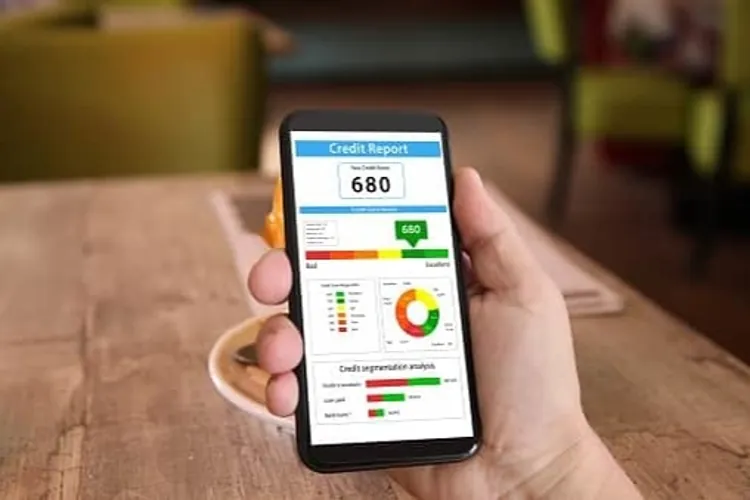
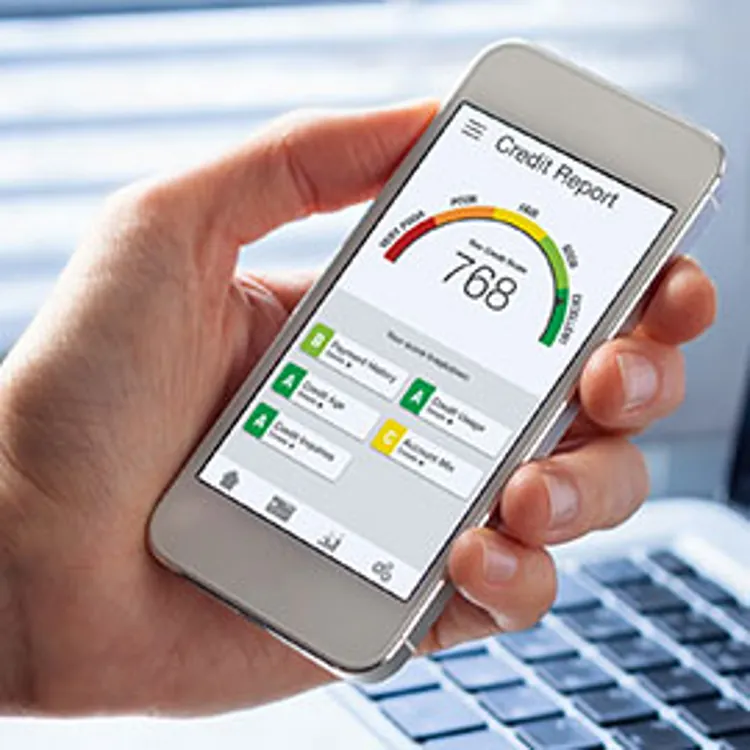
Once you receive your report, go through it line-by-line to check for errors or potential identity theft. Credit reports typically include personal identifying information, a list of open and closed credit accounts, payment history, credit limits and balances, recent inquiries and any negative marks like collections on your credit report or late payments.
If you see anything you don’t recognize, like an account you never opened, an unfamiliar lender or a name or address that isn’t yours, that could be a sign of reporting errors or potential identity theft. These credit report mistakes can lower your score and affect future loan approvals, so you’ll want to address any issues right away.
» LEARN: How to check your credit score
Dispute credit report errors and report identity theft
Take action to dispute credit report errors and report identity theft if your credit report is inaccurate:
- Gather proof to back it up: Before you file a dispute, collect any documents that support your claim, such as payoff letters, ID copies or screenshots from your online banking.
- Submit a dispute to the right bureau: File your dispute directly with the credit bureau that issued the report, either online or by mail. Online is usually quicker.
- Track your case and follow up: After your dispute is submitted, keep an eye on it. Most bureaus will review within around 30 days, but they may reach out if they need more information.
- Act immediately: If you think someone has used your identity to open an account, file a report at IdentityTheft.gov right away. Identity theft could seriously affect your credit.
FAQ
How do I get a free credit report if I'm not in the United States?
Most countries with established credit systems, including Canada, the U.K. and Australia, let you request a free report directly from the main credit bureaus online or by mail. Check the bureau’s site for the official process and frequency.
How can I tell if a website offering a free credit report is a scam?
Check for official domains (“.gov” or the bureau’s name), ensure the site uses HTTPS and never provide payment info for a free report. Use only links listed in official government or bureau sources.
How often can I actually get a free credit report and under which circumstances can I get more than one per year?
In the U.S., you can get one free report per bureau per week through 2026. Extra reports are available if you’ve been denied credit, are a victim of identity theft or have a fraud alert.
Are there any risks to using third-party sites for free credit reports or scores?
Yes. Third-party sites may sell your data, offer partial reports or charge hidden fees. Use only official bureau or government sources for full, secure access.
Article sources
ConsumerAffairs writers primarily rely on government data, industry experts and original research from other reputable publications to inform their work. Specific sources for this article include:
- Equifax, “Frequently Asked Questions.” Accessed Dec. 9, 2025.
- Federal Trade Commission, “Free Credit Reports.” Accessed Jan. 1, 2026.