


Credit score vs. credit report
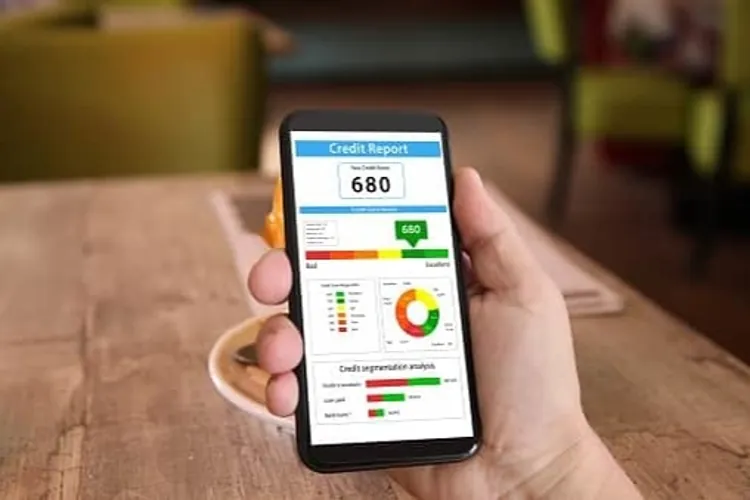
A credit score is a single, three-digit number, usually ranging from 350 to 800, that estimates your general creditworthiness. A higher number suggests that you’re more likely to be able to repay debts on time, so lenders using credit scores in lending decisions are more likely to lend you money if your score is higher.
A credit report is a comprehensive, multi-page breakdown of your borrowing history that includes information on every account you’ve opened in the past. That includes credit cards, personal loans, student loans, auto loans and mortgages. In addition to personal information, like name, addresses and employers, credit reports usually show the following for each account:
- Account age
- Type of credit (revolving or installment)
- Initial principal
- Remaining balance
- Loan terms
- Payment history
- Date closed, if applicable
Credit scores and credit reports also differ in their usefulness and use cases. Lenders and credit card issuers may use just your credit score to prequalify you for a loan via a soft credit check. Then, when you formally apply, the creditor will perform a hard credit check that allows them access to your full credit report.
As a consumer, you should be familiar with where to find and how to interpret your credit score and your credit report. Many consumers mistakenly believe that a credit report always includes a credit score, which isn’t the case. If you’re monitoring or working on improving your credit, you should check both separately.
You can monitor your credit score to detect fraud and other issues like missed payments. You can then use your credit reports to improve your creditworthiness, which can improve your chances of securing loans and getting more favorable terms.
| Feature | Credit score | Credit report |
|---|---|---|
| Format | 3-digit number | Multi-page document |
| Content | Calculated summary | Full account history |
| Source | Scoring models | Credit bureaus |
| Update frequency | As often as daily | Every 30 to 45 days |
| History span | Based on report data | 7 to 10 years |
| Free/paid | Usually a fee, sometimes free | Free (weekly) |
Credit score vs. credit report example
Lenders issuing smaller loans and revolving credit, like credit cards, often rely solely on credit score, as the risk is low, and credit score is enough to establish your ability to pay.
Lenders for larger loans like mortgages and auto loans will rely more on your credit report, but most have minimum credit scores they look for, so your score matters, too. For example, FHA loans require a credit score of at least 580, and conventional loans often require at least a 620. Many landlords look for 580-plus, and top-tier credit card offers may require 700-plus.
You may not have to check both your credit score and credit reports at the same time. Here’s when one or the other may make sense:
| Situation | Credit reports or credit score |
|---|---|
| Credit card application | Credit score |
| Mortgage application | Credit reports |
| Identity theft | Credit reports |
| Quick update | Credit score |
| In-depth view of creditworthiness | Credit reports and score |
» NEXT: How to apply for a mortgage
How to access your credit score and credit report
As a consumer, it’s important that you know how, where and when to check your credit score and access your credit report.
Neither viewing your credit score nor requesting your credit report will negatively affect your credit, but you may have to pay a fee to view scores and reports in some cases. You should also only use verified sources, like AnnualCreditReport.com or the credit bureaus, directly.
Checking your credit score from FICO or VantageScore, the two primary credit analytics companies in the U.S., is simple, and there are a few different options:
- Experian and Equifax provide free access to your credit scores. TransUnion provides access to scores and reports with paid credit monitoring, which costs $29.99 per month.
- There are many third-party websites that can provide your credit score for a fee, and accessing your score won’t affect your credit.
- Your credit card company may provide your score, and many major institutions, like Chase and Bank of America, offer to send notifications about changes in your score.
- Credit monitoring services usually provide free access to your score, although the monitoring service itself is typically paid.
- A credit counseling agency can provide your score if you’re using its services to improve your credit.
- Many lenders will have access to your score, so they may offer it if you’re applying for a mortgage or auto loan.
Accessing your credit score may mean paying a fee, but many of the above sources provide free, instant access. Scores can change on a daily basis.
Obtaining your credit report is just as simple, but the process is a bit different. You have a few options, depending on your circumstances.
- Go to AnnualCreditReport.com to get a free copy of your credit report.
- By federal law, you can get a free copy of your credit report from each of the three primary credit bureaus — Equifax, Experian and TransUnion — once per week. You can split this up to check your report at a single bureau every four months.
- Lenders who access your credit report to determine your creditworthiness may be able to share the report or parts of it with you.
- Third-party services may provide access to your report, but these usually come with a fee.
Credit reports update every 30 to 45 days, depending on the source.
How to interpret your credit report
Since your credit score is a simple, three-digit number representing your overall creditworthiness, assessing your score is easy. Your credit report, on the other hand, contains much more information and can be more confusing. Below is a breakdown of what to look for when reviewing each piece of your credit report. These can all affect your credit score.
- Account age: Lenders usually like to see older accounts to show a long payment history, but a mix of new and old can also be beneficial. Lenders usually like to see an old account that’s between five and 15 years old. Keep in mind that closed accounts will appear for up to ten years.
- Number of open accounts and inquiries: Between two and 10 open accounts is common, and more than 20 can be a red flag that hurts your creditworthiness. Most lenders also look at hard inquiries; between zero and two in the past 12 months is common, and more than six may hurt your score.
- Type of credit: Credit mix refers to the types of credit you have on your report. It’s usually beneficial to have some revolving credit accounts, like a credit card, and some installment credit accounts, like an auto loan or mortgage.
- Total debts and monthly payments: Your total debt includes the principal balances of all of your accounts. Lenders compare your monthly payments to your monthly income and usually look for a debt-to-income ratio below 30% to 40% for larger accounts, like a mortgage.
- Payment history: Red flags on credit reports include missed payments, charge-offs, car repossessions and foreclosures. These will all be reflected in your payment history. Missed payments can drop your score substantially and can remain on your account for seven years.
When reviewing your credit report, you should assess all of the above, in addition to looking for errors like addresses you don’t recognize and accounts you haven’t opened. These may indicate fraud, but even if they’re just mistakes, you should file a dispute to have them corrected.
How to use your credit report to improve your credit score
Accessing and reviewing your credit report is a good habit to get into to monitor for fraud and errors that can hurt your creditworthiness, but you can also use the information to improve your credit.
- If you’re applying for a major loan, request your credit report from all three bureaus and review each one separately for errors. Mistakes could lead to lower creditworthiness and higher interest rates that could cost you money.
- Dispute inaccurate items with all three bureaus, especially if the error could decrease your credit score.
- If you have old, unused credit card accounts you want to close, consider keeping them open, as a dip in average credit age can hurt your score.
- Pay down credit card balances below 30% of your available credit. Keeping utilization below 30% is good, but under 10% is ideal.
- Make extra payments to reduce your debt-to-income ratio, especially if you’re applying for a mortgage in the near future.
- Set up automatic payments on your loans, especially if you have any missed payments on your report.
- Avoid new hard inquiries unless they’re absolutely necessary. More than two hard inquiries in a 12-month period can negatively affect your credit.
- Set up reminders to check your credit score monthly and review your report annually.
- Understand that changes that you make to improve your score can take 30 to 60 days, and negative items may take months or even years to fall off your credit report. When it comes to improving your credit, start early and review often.
FAQ
How do I dispute errors on my credit report, and how does that affect my credit score?
You’ll need to file a dispute with each credit bureau individually and provide supporting documentation, if necessary, to correct errors on your credit report. For errors with Equifax or Experian, you can make minor changes online, or you can call or mail in a dispute form for major changes. For TransUnion, you’ll either need to mail in a dispute form or call to begin the dispute process.
Can I have a good credit score but a negative item on my credit report?
Yes, you can have a good credit score even if your credit report includes a negative item. Your credit score is a snapshot assessment of your creditworthiness, and it updates sometimes on a daily basis. Your credit report includes much more information about your credit history, so negative items, like missed payments, can remain on your credit report for seven years. Actively working on improving your credit will usually lead to a better credit score long before your credit report improves.
Why do I have different credit scores on different sites?
Credit scores in the U.S. come primarily from FICO and VantageScore, so your credit score can vary among different sites based on the reporting agency they pull from. Additionally, both FICO and VantageScore create multiple credit scores based on different information, and the specific score from these agencies can affect what you see.
How often should I check my credit report and score?
You should review your credit report once a year to look for discrepancies and errors, which you can do for free using AnnualCreditReport.com. Additionally, you should review your report 30 to 60 days before you apply for a loan to make sure you meet your lender’s minimum requirements, and you can request your report from each of the three major credit bureaus.
Article sources
ConsumerAffairs writers primarily rely on government data, industry experts and original research from other reputable publications to inform their work. Specific sources for this article include:
- Experian, “What Is a Credit Report?” Accessed Dec. 9, 2025.
- Experian, “How Do I Check My Credit Score?” Accessed Dec. 9, 2025.
- Central Source, LLC, “Annual Credit Report.com.” Accessed Dec. 9, 2025.
- U.S. General Services Administration, “Learn about your credit report and how to get a copy.” Accessed Dec. 9, 2025.