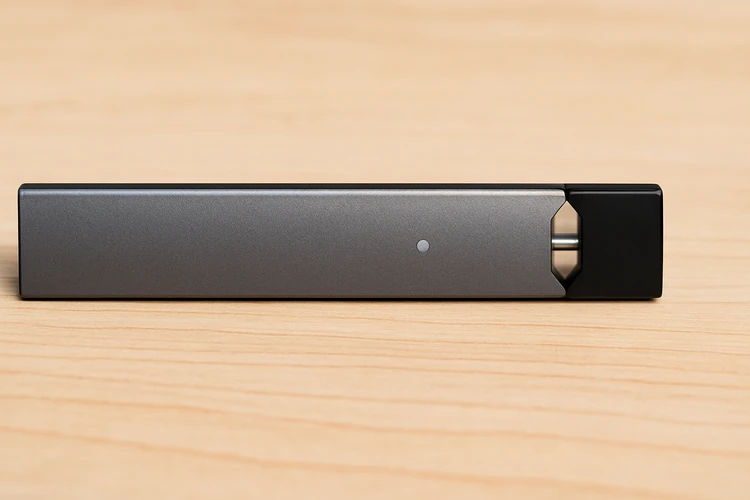
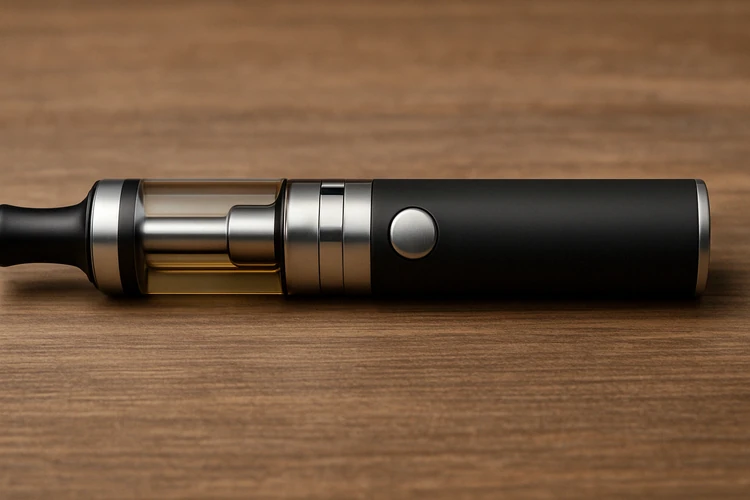
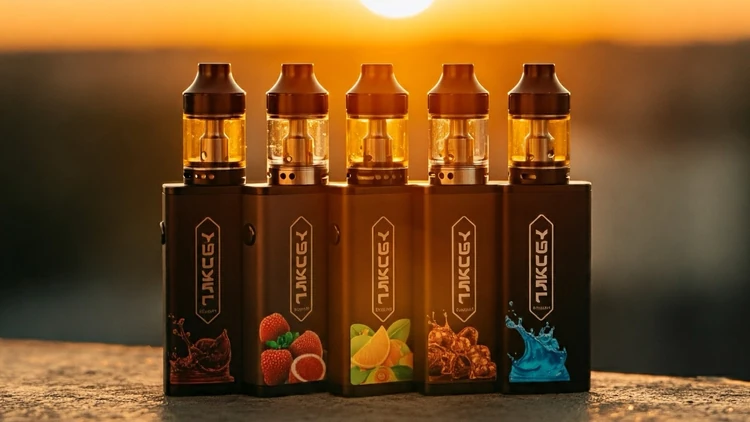
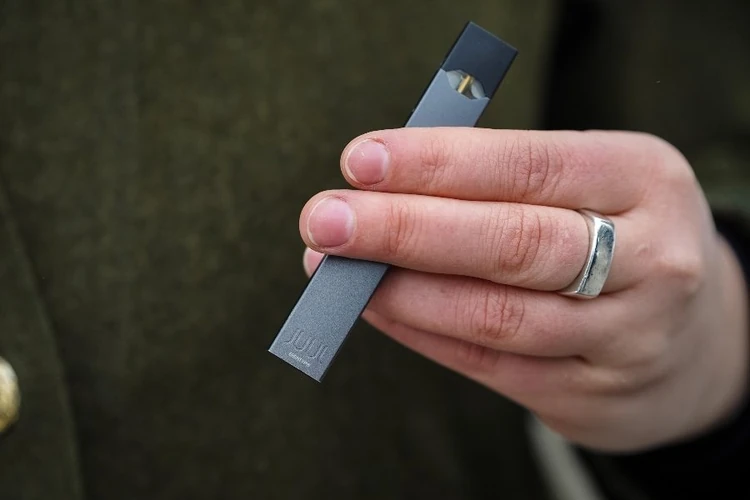
Vapes and E-Cigarettes

This living topic explores the multifaceted issues surrounding e-cigarettes, focusing on health risks, regulatory responses, and market dynamics. Key points include the rise in vaping-related lung injuries and deaths, the presence of toxic metals in e-cigarette vapors, and the debate over e-cigarettes as a smoking cessation tool. Regulatory actions such as the FDA's fluctuating stance on Juul, legal restrictions to curb youth access, and safety concerns over device malfunctions are also highlighted. The topic aims to inform readers about the potential dangers and ongoing controversies in the e-cigarette landscape.

Latest

FDA approves new flavored e-cigarette products

The authorization allows the products to be marketed to adults aged 21 and older

Featured Health News photo

The FDA has authorized four new electronic nicotine delivery system (ENDS) products for sale in the U.S., bringing the total number of authorized vaping products to 45.

The newly approved products include fruit- and menthol-flavored e-cigarettes made by Los Angeles-based Glas.

Public health advocates criticized the move, warning the products could increase youth vaping despite FDA safeguards.

During the first Trump administration, health officials cracked down on vaping, es...

Read Article
Featured Health News photo
2025
Article Image

Marijuana, in smoke or edible form, increases heart disease risks, study finds

  • A new study conducted by researchers from the University of California San Francisco found that chronic cannabis users – who either smoked or consumed THC edibles – were at a higher risk of heart health concerns. 

  • Marijuana smoke proved to disrupt healthy blood vessel function in otherwise healthy participants who used cannabis. 

  • The findings showed that cannabis and tobacco yield similar risks to the endothelial function, which affects blood vessel function and overall heart health.  


A new study conducted by researchers from the University of California San Francisco explored the heart health risks associated with cannabis use. 

Their work found that cannabis users – who either smoked or consumed THC edibles – were at a higher risk of cardiovascular disease. 

“There is a popular belief that marijuana smoke is harmless,” the researchers wrote in the study. 

“However, marijuana smoke contains many of the thousands of chemicals contained in tobacco smoke, along with fine particles that contribute to cardiovascular morbidity and mortality. As cannabis legalization increases, it is crucial to understand the public health and clinical implications of marijuana use.” 

The study

The researchers had 55 people enrolled in the study, which took place from October 2021 through August 2024. Participants were between the ages of 18 and 50, and they were all healthy when the study began. 

Participants were broken into three groups: those who smoked marijuana, those who consumed edibles with THC, and those who didn’t use cannabis at all. Cannabis users had a history of using the drug at least three times a week for a year; edible-users had an average history of five years of chronic use, while marijuana smokers had an average history of 10 years of chronic use. 

To assess the participants’ heart health, the researchers measured their arterial flow-mediated dilation (FMD) and carotid-femoral pulse wave velocity (PWV). The researchers also took blood samples from the participants to assess their blood vessel function, specifically testing how well their blood vessels produce nitric oxide – an important component of healthy blood vessel function. 

The results

Overall, the researchers learned that cannabis users had impaired heart health. Compared to those who didn’t use cannabis, blood vessel function was over 40% lower in those who smoked marijuana. For those who consumed edibles, blood vessel function was 56% lower. 

Researchers also found that chronic cannabis use—whether through smoking or edible THC consumption—was associated with impaired endothelial function, similar to the dysfunction observed in tobacco smokers. 

Impaired endothelial function means the inner lining of your blood vessels isn’t working properly. This makes it harder for your blood vessels to relax and widen, which can increase the risk of high blood pressure, heart disease, stroke, and blood clots. 

These findings ultimately suggest that consistent cannabis use may negatively impact vascular health, emphasizing the need for further research into the cardiovascular effects. 

“This study enhances the understanding of the potential risks to vascular health linked to cannabis use and provides more evidence that cannabis use is not benign,” the researchers wrote. 

Article Image

New York sues major vape companies for targeting kids, teens

New York Attorney General Letitia James is suing over a dozen of the biggest vape manufacturers for targeting kids and teens with their products. 

The lawsuit claims that the companies market their products directly toward young people, making vaping seem “cool,” while also spreading misinformation about the health risks of vaping, and ultimately contributing to a widespread trend of young people vaping. 

“The vaping industry is taking a page out of Big Tobacco’s playbook: they’re making nicotine seem cool, getting kids hooked, and creating a massive public health crisis in the process,”  James said in a news release. 

“For too long, these companies have disregarded our laws in order to profit off of our young people, but we will not risk the health and safety of our kids. Today, we are taking critical steps toward holding these companies accountable for the harm they have caused New Yorkers.” 

What companies are involved?

James has named over a dozen companies in the lawsuit, including: 

  • Puff Bar

  • Elf Bar

  • Geek Bar

  • Breeze

  • MYLE

  • EVO Brands

  • Demand Vape

  • Magellan

  • Happy Distro

  • Midwest Goods

  • Pod Juice

  • Safa Goods

  • Mi-One 

  • MVH 1 

  • Price Point 

What are the charges?

The lawsuit alleges that the companies in question deceived young people in their marketing and packaging. Many of them have utilized social media and prominent internet personalities to promote their products directly to teens. 

The companies have also used bright, colorful, and cartoon packaging to make their products look more appealing to the younger demographic, as well as highlight candy and fruit flavors – like “Blue Razz Slushy,” “Sour Fruity Worms,” “Fruity Pebbles,” “Unicorn Cake,” and more. 

In addition, many of the companies have touted their products as being a safer health alternative than traditional cigarettes.  

New York banned the sale of flavored tobacco products in 2020, and the suit claims these companies have continued to illegally sell such products to consumers.  

What’s next?

In the suit, James is seeking “hundreds of millions of dollars, including financial penalties for wide-ranging violations of local, state, and federal laws; damages and restitution for the public health impact of the companies’ illegal actions; the recovery of all revenue made from unlawful activity; and the establishment of an abatement fund to address the youth vaping crisis in New York.” 

In addition, she’s looking for the companies to publicly address their health claims about vaping, and a permanent ban on selling flavored e-cigarettes in New York. 

“Nicotine is a potent mind- and mood-altering drug that potentially develops into a physical and psychological dependence,” said Steve Chassman, executive director of the Long Island Council on Alcohol and Drug Dependence. 

“The implications of nicotine intoxication and dependence for young people on their mental, physical, academic, and social well-being are far reaching when dangerous levels of nicotine are consumed at a vulnerable age. These dangerous products are being callously marketed as ‘candy-like’ materials, distorting the harmful effects the drug has on human development.”

Article Image

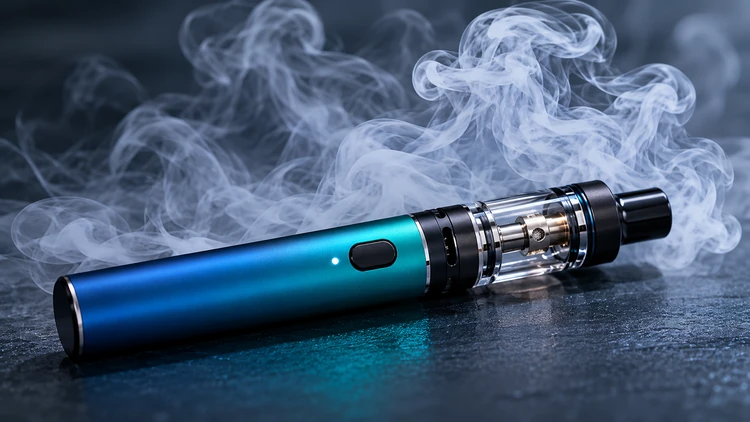
Minnesota sues e-cigarette manufacturer and investigates another

Minnesota Attorney General Keith Ellison has filed a lawsuit against High Light Vapes, a Los Angeles-based e-cigarette manufacturer, charging it with marketing to minors. The lawsuit alleges violations of state laws prohibiting the marketing of tobacco products to children and consumer fraud. 

Ellison has also launched an investigation into Loon, a Minnesota-based e-cigarette manufacturer, to determine potential violations of similar laws.

High Light Vapes is accused of designing and promoting its products to appeal to school-age children by mimicking highlighters. The complaint alleges the company marketed these e-cigarettes as a "stealthy" way to vape, highlighting their resemblance to actual highlighters. 

The products come in various flavors such as strawberry cheesecake and sour apple, which are particularly attractive to young consumers. Ellison demonstrated the similarity between these vapes and real highlighters at a press conference, emphasizing the deceptive nature of their marketing strategy.

"My job as attorney general is to protect Minnesotans — especially our children — when corporations try to harm us to make a profit," Ellison stated. "I will not allow any corporation to illegally manufacture, market, and sell dangerous and addictive e-cigarette products to Minnesota youth."

Other states are taking similar actions

The legal actions are part of a broader effort by a bipartisan coalition of attorneys general across the United States to combat the proliferation of flavored disposable e-cigarettes, which are often illegally imported from China. These products have seen a 1,500% increase in the U.S. market since 2020, despite federal regulations requiring FDA approval for new e-cigarettes. 

The coalition of state leaders aims to hold companies accountable for unlawfully manufacturing, distributing, and marketing these products to young people.

Ellison's office has also served a civil investigative demand on Loon, requiring the company to provide documents and answer questions under oath. This investigation seeks to uncover any potential violations of Minnesota's consumer protection and deceptive vaping laws by Loon.

This lawsuit follows Minnesota's landmark settlement with Juul and Altria in 2023, where the companies agreed to pay $60.5 million over eight years for their role in marketing e-cigarettes to youth. The settlement funds are dedicated to preventing youth smoking and e-cigarette use, marking a significant public health achievement in the state's ongoing battle against tobacco use among minors.

2024
Article Image

Berry-flavored vapes may be hazardous to your health

Berry-flavored vapes can weaken the lungs' natural defenses and make it harder to fight infections, according to new research. The study compared the effects of flavored and unflavored e-cigarettes.

While all vaping can be harmful, the researchers found that added flavors can make it even worse.

McGill Assistant Professor Ajitha Thanabalasuriar and Erika Penz from the University of Saskatchewan exposed mice to e-cigarette vapor and used live imaging to study their lung immune cells. The study, published in PNAS, showed that chemicals in berry vapes paralyze these immune cells, making the lungs more prone to infections. Unflavored vapes did not have the same effect.

“We need to be careful about the types of flavors that we're including in these products," Thanabalasuriar said. "They can have detrimental effects. I think that's really the take-home message, especially some of these vaping products that are marketed for kids — the way they're sold, the type of containers they are sold in — it's very colorful, it's really attractive to children, and this can be a really bad thing for our future,” she said.

More studies are needed to identify the exact compounds causing these effects and to see if the same results apply to humans.

The study was funded by the Canadian Institute of Health Research and other organizations.

Flavored vapes more appealing

The wide range of appealing flavors, such as berry, candy, and dessert-inspired options, combined with vibrant, eye-catching packaging, makes vaping products more enticing to younger audiences.

This marketing strategy often targets the youth demographic by using bright colors and appealing designs that resemble candy or toys, making them more likely to try vaping.

Research has shown that these flavors and visual appeals contribute to the initiation and continued use of vaping among young people.

The combination of sweet or fruity flavors and attractive packaging can create a perception that vaping is less harmful than smoking traditional cigarettes, encouraging younger individuals to start and maintain the habit.

2023
Article Image

Many JUUL users will share in $255 million settlement

Present and former users of JUUL e-cigarettes may be eligible to receive a share of $255 million the company has agreed to pay to settle false advertising claims.

No proof of purchase is required, but in some cases, proof of purchase could result in a larger share of the settlement.

JUUL was sued by plaintiffs in a class-action lawsuit that claimed it marketed its products to minors and concealed the addictive nature of its nicotine delivery products. Though developed as a tool to help smokers give up cigarettes, JUUL and several other manufacturers were accused of targeting young people who had never smoked.

In agreeing to the settlement, JUUL did not admit to any wrongdoing but said it would make the payment to resolve the case. Consumers included in the suit will be paid a sum based on several factors, including how much they paid for the products.

To be eligible for compensation a consumer has to have purchased and used JUUL products prior to December 7, 2022. As yet, there is no estimate for payment amounts.

Who gets what

Here are some of the factors that will determine compensation:

  • Where JUUL products were purchased by an underage consumer, the settlement shares will be multiplied by four.

  • Purchases made between 2015 and 2018 will be assigned a multiple of two when determining compensation.

  • Without proof of purchase, the maximum compensation is $300. Receipts will be required for purchases of more than $300.

JUUL users who purchased products directly from the JUUL website are not required to provide proof of purchase since there is an existing record of their purchases. 

The settlement must still be approved by the court but consumers who think they are eligible should apply using a valid claim form – found here – by July 14, 2023.

In addition to the class action, JUUL was sued by the State of Massachusetts in 2020 for its alleged role in encouraging young people to “vape.” Before he left office, former Food and Drug Administration (FDA) Commissioner Dr. Scott Gottlieb was also highly critical of the company’s marketing tactics he said were aimed at teenagers.

2022
Article Image

FDA suspends its own order to ban Juul e-cigarettes

The U.S. Food and Drug Administration (FDA) has taken action to suspend its own order banning Juul e-cigarette products from the market. The FDA said the order is stayed, not rescinded.

It may be a simple technicality. After the FDA issued its order to remove Juul products from the market, a federal judge intervened and stopped the ban from being enforced while Juul appeals the decision.

On its Twitter feed, the FDA said it is staying its order while it conducts a further review. In the meantime, Juul products remain on store shelves.

The agency took action against Juul last month under new rules it has established for the vaping industry. To sell e-cigarettes, companies must show that their products are safe and help adult cigarette smokers kick their traditional smoking habits.

At the same time, companies also have to show that they are discouraging the products from being used by young people who have never smoked cigarettes.

Long history with the FDA

Juul has repeatedly run afoul of the FDA on the youth vaping point. The company popped up on the FDA’s radar four years ago when its vaping products achieved a high level of popularity among teens and other underage users. Critics said the products were stylish and offered fruit flavors that were popular with teens.

After drawing the attention of regulators, Juul made changes to its marketing. Under pressure from the FDA, it dropped its fruit flavor cartridges before the FDA banned them in 2020.

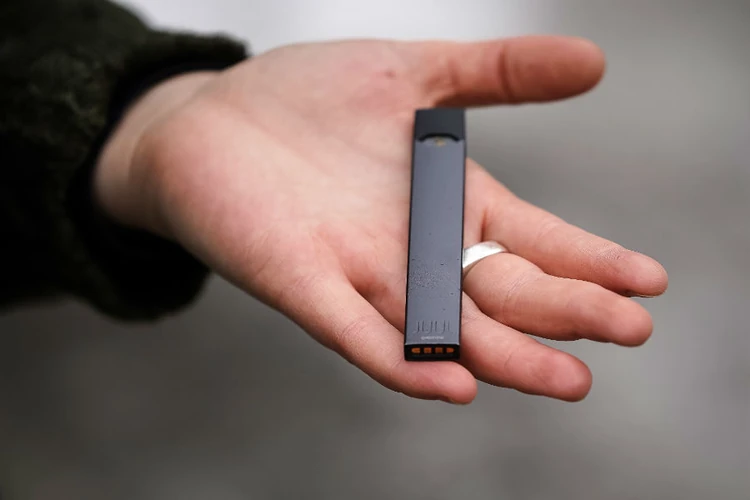
Former FDA Administrator Dr. Scott Gottlieb has been a longtime Juul critic. He says the company's products consistently find favor with underage users. In an interview with Vox, just before he stepped down in 2019, Gottlieb said there’s “no question” that Juul -- which marketed a device that looked like a USB drive -- “drove a lot of the youth use.”

“I’m not willing to concede the point that the Juul product was responsible — at least in part — for the sharp uptick in youth use,” Gottlieb said.

In issuing the stay, the FDA said it discovered "there are scientific issues unique to the Juul application that warrant additional review." At the same time, the agency made clear that it expects Juul to suspend marketing and shipping while the review is completed.

Article Image

Juul’s vaping products will remain on the market, for now

Consumers who use Juul electronic cigarette products will still be able to find them in stores for the foreseeable future. A federal appeals court has stayed the U.S. Food and Drug Administration’s (FDA) ban while the company appeals.

Juul filed its appeal, asking the court to stop what it called an "extraordinary and unlawful action" that essentially would put it out of business. Late last week, the FDA denied Juul’s application to sell its tobacco- and menthol-flavored e-cigarettes in the U.S., effectively removing those products from the U.S. market.

The company and the government have tangled in the past over charges that Juul aimed some of its vaping products, which contain nicotine, at underage consumers. In particular, the FDA has cracked down on fruit-flavored vaping products popular with young people.

But the FDA’s action banning Juul products from the market was not officially connected with past issues. Rather, the agency said it hinged on product safety.

‘Lack of evidence’

“After reviewing the company’s premarket tobacco product applications (PMTAs), the FDA determined that the applications lacked sufficient evidence regarding the toxicological profile of the products to demonstrate that marketing of the products would be appropriate for the protection of the public health,” the FDA said in a statement. 

The FDA continued, "In particular, some of the company’s study findings raised concerns due to insufficient and conflicting data – including regarding genotoxicity and potentially harmful chemicals leaching from the company’s proprietary e-liquid pods – that have not been adequately addressed."

In filing its appeal, Juul said it submitted enough data and other information to address all of the safety questions the agency raised. In addition to the toxicity questions, Juul and other e-cigarette makers are required to show that their products help adult smokers quit while not attracting young users.

In their emergency appeal, Juul’s lawyers argued that it gave the FDA plenty of evidence in support of its case, including a 125,000-page document that contained several studies looking at vaping’s health risks.

Juul claimed that the FDA cannot argue that there was a "critical and urgent public interest" in removing its products from the market so urgently when the agency allowed them to be sold in the two years since that document was submitted.

A target?

Juul’s popularity with young people perhaps raised its profile with regulators. In addition to once offering fruit-flavored cartridges for its devices, the design of the devices themselves became an issue. Critics charged the sleek design and an appearance resembling a computer flash drive is especially appealing to young people.

While the issue of underage use was not officially part of the FDA’s order, it has not completely disappeared. Late last month, researchers at the University of California San Diego issued a study finding that underage vaping had dramatically increased between 2017 and 2019.

The study found more than 1 million teens between the ages of 14 and 17 years old became daily tobacco users during that time. By 2019, the study said more than three-quarters of those young smokers were vaping on a daily basis.

Article Image

FDA may order Juul vaping products off the market

After years of heightened scrutiny of Juul’s marketing of e-cigarette products, the U.S. Food and Drug Administration (FDA) may be preparing to take aggressive action.

According to the Wall Street Journal, the agency is planning to order Juul to take its vaping products off the market. Citing “people familiar with the matter,” the Journal reports that the FDA will issue a “denial of marketing” order that will block the sale of Juul’s e-cigarettes in the U.S.

The company popped up on the FDA’s radar four years ago when its vaping products achieved a high level of popularity among young people, including underage users. Critics said the products were stylish and offered fruit flavors that were popular with teens.

After drawing the attention of regulators, Juul made changes to its marketing. Under pressure from the FDA, it dropped its fruit flavor cartridges before the FDA banned them in 2020.

A longtime FDA target

Despite Juul making changes, its actions haven't been enough for the FDA. As he was preparing to leave office in 2019, then-FDA Administrator Dr. Scott Gottleib blamed the company for a huge increase in teen vaping, noting that many young people referred to vaping as “Juuling.”

In an interview with Vox, Gottlieb said there’s “no question” that Juul -- which marketed a device that looked like a USB drive -- “drove a lot of the youth use.”

“I’m not willing to concede the point that the Juul product was responsible — at least in part — for the sharp uptick in youth use,” Gottlieb said.

Gottlieb’s successors have kept up the pressure by launching an investigation into the company’s business practices, including its marketing. 

Investigating the entire industry

The FDA is currently investigating the entire vaping industry to determine if there are ways to discourage or prevent underage use. While the current tobacco- and menthol-flavored vaping products are viewed as a way to wean smokers off of tobacco cigarettes, regulators want to prevent use by teens who could become addicted to nicotine.

E-cigarettes are battery-powered devices that convert liquid into vapor, allowing users to inhale nicotine without the tobacco and other toxic components of traditional cigarettes. The products may be a safer alternative to cigarettes, but critics maintain that they aren’t completely safe.

Some vape devices, like cigarettes, have been found to contain formaldehyde and other cancer-causing chemicals. And some users, particularly people who modify their vape pens, have submitted reports of the products randomly exploding, a defect that can cause disfiguring injuries.

If and when the FDA moves against Juul, the company could appeal the decision through the agency or challenge the decision in court.

-----

Update: 6/23/22 @ 11:32 a.m. (EST)

As reported above, the FDA has issued a marketing denial order for all Juul products in the U.S. marketplace. The agency's full announcement can be read here.