2022 Sustainability

Article Image

Antarctica’s ‘doomsday’ glacier may be melting faster than expected

Scientists say the Thwaites Glacier in Antarctica may be melting faster than in past years, raising concerns about the consequences if it shrinks faster than expected.

It’s actually nicknamed the “doomsday” glacier because of what could happen if it began to rapidly add water to the ocean. In a study published in the journal Nature Geoscience, researchers suggest the massive ice sheet could begin melting twice as fast as in the past.

To make their projections, the scientists studied the glacier’s movements over the last few decades. By studying tracks on the seabed, researchers were able to measure how far the ice has traveled over the last 100 years.

While the giant block of ice appears to be moving faster than in the recent past, suggesting a higher melt rate, it’s melted even faster in the past. The scientists determined that the glacier was shrinking at over 1.3 miles per year a century ago. That’s nearly twice as fast as it moved in the period from 2011 to 2019.

“Understanding the recent history of Thwaites Glacier, and the processes controlling its ongoing retreat, is key to projecting Antarctic contributions to future sea-level rise,” the study’s authors wrote. “Of particular concern is how the glacier grounding zone might evolve over coming decades where it is stabilized by sea-floor bathymetric highs.”

Faster sea level rises

The concern, of course, is how a faster melt might affect sea levels. The glacier is about the size of the state of Florida. Should it completely fall into the sea – something that isn’t expected to happen within this decade – scientists believe it could raise sea levels by up to two feet.

By way of comparison, the North American ice sheet that covered all of Canada and the Northern U.S. during the ice age, melted fairly rapidly at the end of the last ice age with extreme increases in sea level. According to Scientific American, sea level in some places had increased by 30 feet within a few hundred years, “more than if the ice sheet that still covers Greenland were to melt today.”

Anna Wåhlin, a professor of physical oceanography at Sweden’s Gothenburg University, says there are a lot of different scenarios that could play out for the Thwaites Glacier, not all of them bad.

"Exactly how big a threat there is is unfortunately still difficult to answer, but the fact that we finally have a data point that the models can tie back to is an important part of the puzzle," Wåhlin told NBC News.
Article Image

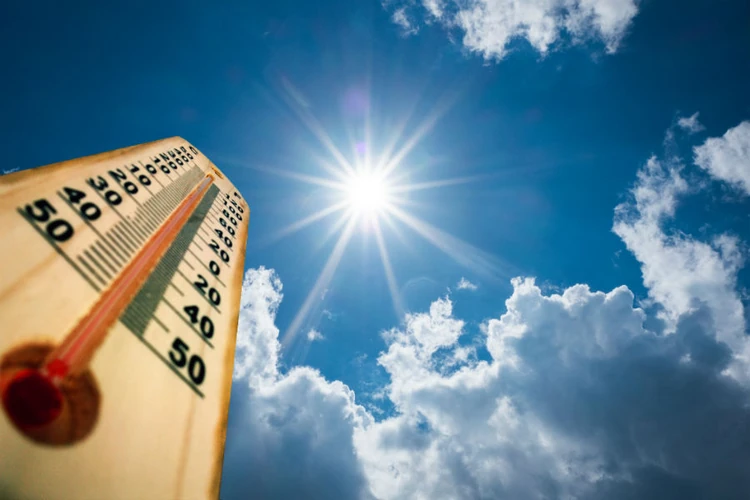
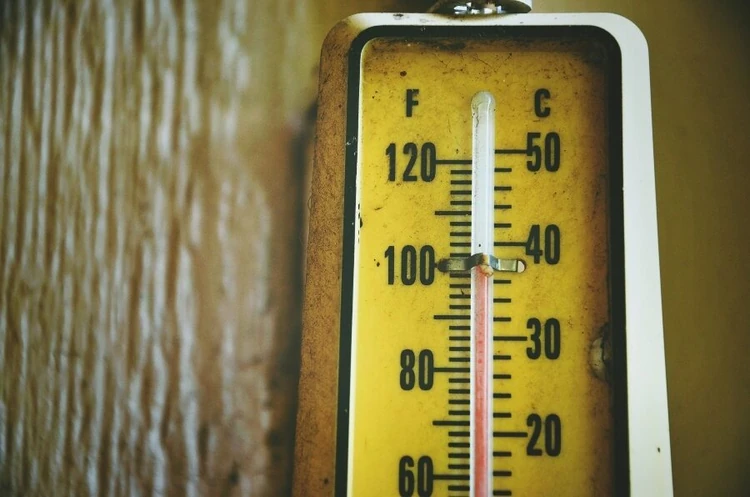
High temperatures at night may increase risk of death, study finds

A new study conducted by researchers from the University of North Carolina at Chapel Hill explored the risks of rising temperatures around the world. According to their findings, nighttime temperatures continue to rise as a result of climate change, which has been linked with a higher risk of death globally. 

“The risks of increasing temperature at night were frequently neglected,” said researcher Yuqiang Zhang, Ph.D. “However, in our study, we found that the occurrences of hot night excess (HNE) are projected to occur more rapidly than the daily mean temperature changes. The frequency and mean intensity of hot nights would increase more than 30% and 60% by the 2100s, respectively, compared with less than 20% for the daily mean temperature.” 

How heat affects consumers’ health

For the study, the researchers created two climate change models for nearly 30 cities across South Korea, China, and Japan. Their models tracked heat-related deaths from 1980 through 2015 and then projected what daytime and nighttime temperature increases might look like from 2016 through the 2100s. 

The study showed that as nighttime temperatures increase, the risk of death also increases. When the temperature is excessively high at night, the mortality risk could be 50% higher than on nights when the temperature isn’t as high.  

Additionally, the findings highlighted that nighttime temperatures are expected to increase more over time than daytime temperatures. This means that the risk of death as a result of exposure to extreme heat is even higher. Between 2016 and 2100, the mortality risk is projected to increase by six times; this is much higher than the projections related to daytime temperature increases. 

While these findings were focused strictly on cities across Asia, the researchers hope more work can be done globally to address climate concerns. They also hope policymakers step in to help consumers protect themselves against rising nighttime temperatures. 

“To combat the health risk raised by the temperature increases from climate change, we should design efficient ways to help people adapt,” Dr. Zhang said. “Locally, heat during the night should be taken into account when designing the future heatwave warning system, especially for vulnerable populations and low-income communities who may not be able to afford the additional expense of air conditioning. Also, stronger mitigation strategies, including global collaborations, should be considered to reduce future impacts of warming.” 

Article Image

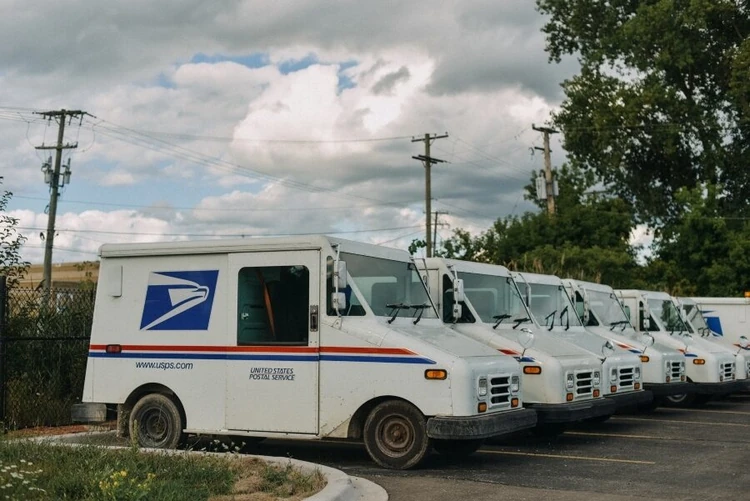
USPS increases electric vehicle fleet goal to 40%

The U.S. Postal Service (USPS) appears to have had a change of heart about electric vehicles. A year ago, the agency pushed back against President Biden’s federal EV goals, but it said on Wednesday that it now plans to make 40% of its new trucks electric, up from its original projection of 10%.

The Postal Service said it has determined that there is a “compelling need” and that it will make adjustments if it wants to continue to modernize and refine all that it does from routes to infrastructure.

The proposed expanded fleet mix will now include 41,000 electric vehicles, as well as purpose-built Next Generation Delivery Vehicles (NGDVs) and commercial off-the-shelf (COTS) vehicles.

Responding to pressure

The Postal Service’s change of heart might also have something to do with lawsuits and challenges from various groups, states, and lawmakers that have been directed at Postmaster General Louis DeJoy. For example, legislators have stated that they want the Postal Service’s fleet to be 75% electric, a number they felt achievable after the Office of Inspector General determined that more than 95% of delivery routes in the U.S. are acceptable for electrification. There have also been serious environmental concerns. 

"Postal delivery routes are stop-and-go by nature, which means that gas-powered delivery vehicles idle just outside people’s homes for much of the day. This daily pollution impacts nearly every single resident in the country," three environmental groups said in a separate lawsuit against DeJoy. 

"But the harmful effects of this pollution are felt most significantly by low-income communities of color, which are often forced to breathe compounding sources of pollution."

One last hurdle

The only hurdle left for the USPS to jump over before locking in the added electric vehicles to its purchase order is a public hearing in August. In its request for public comment, the agency said electrifying part of its fleet is just a start.

“Over the next ten to fifteen years, the Postal Service intends to pursue a multiple step acquisition process in our longer term efforts to fully replace our aging delivery fleet, and in that regard anticipates evaluating and procuring smaller quantities of vehicles over shorter time periods,” the USPS said. 

Agency officials said they are open to any ideas the public has about environmental concerns or potential alternatives they should consider in terms of pricing, operational capabilities, and market availability. Details on how to offer those suggestions are available here.

Article Image

Lowering carbon emissions could help prevent heat-related deaths among children

A new study conducted by researchers from the University of Leeds explored how carbon emissions and rising temperatures may affect children. According to their findings, reducing carbon emissions in an effort to lower temperatures may prevent thousands of childhood heat-related deaths. Conversely, the team says failing to lower emissions could cost more young lives.

“Young children are especially vulnerable to the effects of heat exposure,” said researcher Dr. Cathryn Birch. “They have limited ability to thermoregulate and high temperatures can increase disease transmission and outbreaks. 

“This research details the very real consequences of allowing carbon emissions to continue unchecked. Our results underscore the need for more ambitious mitigation measures to protect vulnerable populations and the need for proactive and effective adaptation.” 

Prioritizing kids’ health 

For the study, the researchers projected how rising temperatures have and will impact childhood mortality in sub-Saharan Africa from 1995 through 2050. They also looked at the relationship between emissions levels, rising temperatures, and childhood mortality rates. 

The researchers explained that childhood mortality has been increasing since 2009 due to rising global temperatures. They believe this trend will likely continue if efforts to lower carbon emissions aren’t put into effect. 

If no initiatives are put in place to lower carbon emissions, the researchers predict that childhood mortalities will reach 38,000 by the year 2049. On the other hand, getting emissions levels to a medium or low place could prevent many heat-related childhood deaths. Medium emissions efforts may prevent as many as 3,000 childhood deaths each year, while cutting emissions to the lowest level may prevent 6,000 childhood deaths. 

The researchers explained that children in low-income countries are more likely to have poorer health care and nutrition, both of which can be detrimental when temperatures are high. The team worries about how children will be affected, especially in low-income areas, if more efforts aren’t taken to lower carbon emissions levels. 

“Our results highlight the urgent need for health policy to focus on heat-related child mortality,” said researcher Dr. Sarah Chapman. “This is a serious present-day issue, which will only become more pressing as the climate warms.” 

Article Image

Traffic noise around schools may affect kids' cognitive development, study finds

While recent studies have shown some of the physical health effects of kids’ exposure to traffic pollution, a new study conducted by researchers from the Barcelona Institute for Global Health looked at the cognitive impacts of that kind of exposure. They learned that when kids are exposed to a lot of traffic noise at school they may be at a higher risk for slower cognitive development. 

“Our study supports the hypothesis that childhood is a vulnerable period during which external stimuli such as noise can affect the rapid process of cognitive development that takes place before adolescence,” said researcher Jordi Sunyer. 

Cognitive impact of traffic noise

For the study, the researchers analyzed data from nearly 3,000 kids between the ages of seven and 10. The children went to 38 different schools in Barcelona, and the team collected data on their exposure to traffic noise from 2012 through 2013. The researchers also administered cognitive tests four times throughout the course of the study to understand how traffic may affect cognitive development. 

It was clear to the researchers that exposure to more noise at school affected kids’ development – specifically their attention and memory abilities. Complex working memory was the most affected by traffic noise, as exposure to an extra 5 decibels was linked with a nearly 24% slower than average development of that skill. Similarly, working memory developed more than 11% slower, and attention capacity developed nearly 5% slower when exposed to an additional 5 decibels of noise. 

The researchers also learned that traffic noise negatively affected students’ performance on tests. The more noise the kids were exposed to in school, the poorer they scored on tests in every subject. 

“This finding suggests that noise peaks inside the classroom may be more disruptive to neurodevelopment than average decibel level,” said researcher Maria Foraster. “This is important because it supports the hypothesis that noise characteristics may be more influential than average noise levels, despite the fact that current policies are based solely on average decibels.” 

After estimating the kids’ exposure to traffic noise at home, the researchers found that there was no link between their exposure and cognitive development. Now, the team plans to do more work to better understand if this association between traffic noise and cognitive development holds up in cities around the world. 

Article Image

President Biden invokes Defense Production Act to bolster U.S. clean energy

President Biden has taken another step in his quest to make the U.S. a leader in clean energy. On Monday, he invoked the Defense Production Act (DPA) in hopes of lowering energy costs, strengthening the power grid, and creating more lucrative jobs.

“Today’s clean energy technologies are a critical part of the arsenal we must harness to lower energy costs for families, reduce risks to our power grid, and tackle the urgent crisis of a changing climate,” the White House said in an announcement. 

“Since President Biden took office, the private sector has committed over $100 billion in new private capital to make electric vehicles and batteries in the United States. We have made historic investments in clean hydrogen, nuclear, and other cutting-edge technologies. And companies are investing billions more to grow a new domestic offshore wind industry.”

What the latest action means for the consumer

This most recent move follows previous efforts by the administration to create more wind farms and produce more electric vehicle batteries. Biden feels there’s enough positive momentum in Congress’ interest on clean energy investments and tax cuts that his newest effort will create a “bridge'' to an American-made clean energy future.

The White House said the latest use of the Defense Production Act would rapidly expand American manufacturing of five critical clean energy technologies:

  • Solar panel parts (such as photovoltaic modules and module components)

  • Building insulation

  • Heat pumps

  • Equipment for making and using clean electricity-generated fuels, including electrolyzers, fuel cells, and related platinum group metals

  • Critical power grid infrastructure (like transformers)

The Biden-Harris Administration said all jobs that come as a result of this move will encourage the use of strong labor standards and make sure all wages are set at or above the prevailing rate and include local hire provisions. 

What’s to gain vs. what’s to lose

Biden’s team says his initiatives will lead to more domestic manufacturing, construction projects, and good-paying jobs, all of which will contribute to energy savings for families and a stronger utility grid. 

In its announcement, the White House said consumers will suffer if Congress fails to pass tax cuts or approve the investments that are necessary to advance U.S. clean energy. 

“Failing to take these actions would deny consumers access to cost-cutting clean energy options, add risks to our power grid, and stall domestic clean energy construction projects that are critical to tackling the climate crisis,” the administration stated. “At the same time, President Biden will keep using his executive authority to take bold action to build an American-made clean energy future."

Article Image

QR codes on milk cartons may lead to less food waste, study finds

A new study conducted by researchers from Cornell University explored how technology can help reduce consumers’ food waste. Their work tested a milk carton QR code that, when scanned, gave consumers a more accurate best-by date for their milk (as opposed to traditional cartons that have the dates printed on the product.) 

They learned that not only were the study participants eager to adopt this technology, but they were less likely to waste fresh milk when using it. 

“During the two-month study, over 60% of customers purchased the milk with the QR code, showing a considerable interest in using this new technology,” said researcher Samantha Lau. “This revealed that the use of QR codes on food products can be an innovative way to address the larger issue of food waste.” 

Improving food waste

The purpose of the study was to gauge consumers’ interest in milk carton QR codes and then see how successful the codes were at reducing food waste. The researchers noted that milk accounts for 65% of dairy product food waste in the U.S., which translates to over $6 billion in costs. 

Lau explained that much of this stems from confusion related to best-by and sell-by dates on cartons. She said shoppers tend to naturally gravitate towards milk that’s dated the farthest out; however, this means a lot of milk sits on shelves and ultimately goes unused. 

This experiment revealed some promising trends. When given the choice between purchasing milk with a printed best-by date or one with a QR code that would display the more accurate best-by date when scanned, the majority of participants opted for the QR code. 

Another component of the study was offering the participants a discount for buying milk that was closer to its best-by date. This helped the participants save money on milk and was also an effective way to reduce waste by getting more drinkable milk off store shelves. 

While the researchers want to see more of this technology integrated throughout the food industry, these findings highlight a valuable way to help reduce a significant portion of dairy waste in the U.S. 

“This makes digital trends really valuable, particularly if they’re combined to really allow us to collect data along the food chain,” said researcher Martin Wiedmann.

Article Image

Consumers and producers are equally responsible for global packaging waste, researchers say

A new study conducted by researchers from the University of Illinois College of Agricultural, Consumer, and Environmental Sciences explored patterns related to plastic packaging waste around the world. Ultimately, they learned that both consumers and producers of goods are responsible for the burden of plastic waste that exists globally. 

“We wanted to follow the plastic packaging waste embedded in the global supply chain,” said researcher Sandy Dall’erba. “This work allows us to conclude that the problem is a responsibility shared between economic agents, from the producers and their intermediaries to the retail stores and their consumers.” 

Food wrapping contributes to a lot of pollution

For the study, the researchers analyzed data from the World Bank and EXIOBASE. The latter platform tracks plastic packaging waste around the world based on global input and output data. This helped them identify where the biggest burden of plastic waste comes from and what the biggest culprits were in terms of waste. 

North America proved to be the biggest producer of plastic packaging waste, with consumers in the region being responsible for the largest portions of such waste. From a production standpoint, North America was linked to more than 40% of plastic waste; the U.S. alone was responsible for nearly half of that. Additionally, consumers in North and South America produced more than 35% of the world’s plastic waste. 

“High-protein food such as meat, fish, and dairy is a trademark in the Americas and those generate a lot of plastic packaging waste,” said Dall’erba. “For instance, every 1 kg (2.2 lbs) of fish consumed will lead to an average of about 1.6 kg (2.5 lbs) of waste. This includes plastic bags, trays, and cellophane used to wrap and cover the fish during transportation, storage, and sales.

“Plastic is not easy to replace. There is no other material to protect the freshness of a food product that will be shipped around the world. We need to further develop technologies that make plastics more biodegradable, such as products based on algae. But we also need stricter regulations to discourage plastic packaging production and use.” 

Finding solutions

The team explained that many developing countries had relocated their plastic waste to Asia. However, as the quantities of this kind of waste have shot up in recent years, this solution has backfired for two reasons: many countries don’t want to accept more waste, and this doesn’t actually solve the problem – it just moves the waste from one place to another. 

Instead, the researchers hope legislators work on recycling efforts that are targeted toward both producers and consumers. 

“All agents along the supply chain and final consumers need incentives to reduce plastic use,” said researcher Xiang Gao. “Some examples are taxes on waste management or refunds for returning plastic bottles. 

“Other steps include banning single-use plastic straws, or imposing fees for grocery store plastic bags. Consuming locally-grown, seasonal food would help, and so would better transparency about true recyclability associated with the resin identification code stamped on plastic packaging.” 

Article Image

Reducing air pollution could save over $600 billion and 50,000 lives each year, study finds

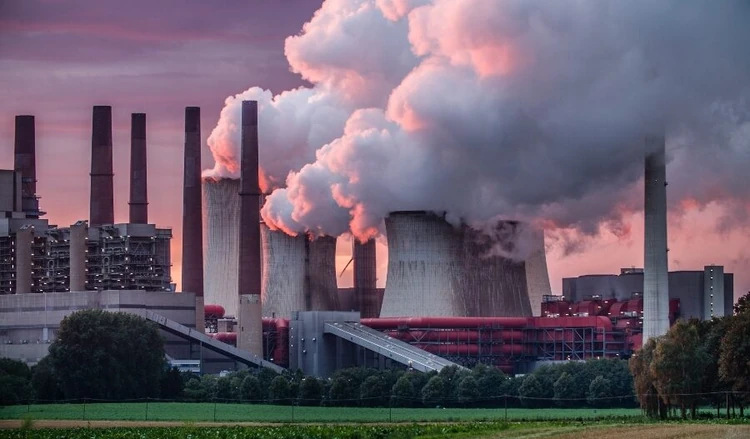
A new study conducted by researchers from the University of Wisconsin-Madison explored the health and financial benefits associated with reducing air pollution emissions. According to the findings, eliminating emissions from industrial activities, transportation, and electricity generation can save over 50,000 lives in the U.S. and $600 billion each year. 

“Our work provides a sense of the scale of the air quality health benefits that could accompany deep decarbonization of the U.S. energy system,” said researcher Nick Mailloux. “Shifting to clean energy sources can provide enormous benefits for public health in the near term while mitigating climate change in the longer term.” 

Longevity and financial benefits of eliminating emissions

For the study, the researchers analyzed a predictive model from the U.S. Environmental Protection Agency to understand how eliminating air pollution emissions can impact consumers’ health and health care costs. They looked specifically at fine particulate matter (PM2.5), sulfur dioxide, and nitrogen oxides. 

Eliminating these pollutants entirely would have significant benefits on consumers’ longevity and associated health care costs. The study showed that these efforts would save nearly $610 billion in health care- and death-related costs. They would also save over 53,000 lives each year. 

“Our analysis is timely, following last month’s report from the U.N. Intergovernmental Panel on Climate Change that called for urgent action to transform the world’s energy economy,” said researcher Jonathan Patz. “My hope is that our research findings might spur decision-makers grappling with the necessary move away from fossil fuels, to shift their thinking from burdens to benefits.” 

Different benefits across the country

The researchers looked at how different parts of the country would benefit if only specific regions were successful at eliminating energy emissions. For example, if just the Southwest region of the country cut these emissions, consumers in those areas would reap 95% of the health and financial benefits.

However, this figure doesn’t hold up across the country. In the Mountain region, just over 30% of the benefits remain in those states because of wind patterns. Despite that, the researchers explained that when one part of the country benefits from cutting energy emissions, those benefits are likely to be wide-reaching. 

“The Great Plains, for example, gets more than twice as much benefit from nationwide efforts as it does from acting alone,” said Mailloux. “The more that states and regions can coordinate their emissions reductions efforts, the greater the benefit they can provide to us all.” 

Article Image

Extreme heat can be dangerous for outdoor workers, study finds

A new study conducted by researchers from the Desert Research Institute explored the potential health risks that outdoor workers face in extreme heat.

According to their findings, working outdoors in extremely high temperatures makes consumers more susceptible to heat stress, heat illnesses, and overall discomfort. 

“We expected to see a correlation between high temperatures and people getting sick – and we found that there was a very clear trend in most cases,” said researcher Erick Bandala, Ph.D. “Surprisingly, this type of analysis hadn’t been done in the past, and there are some really interesting social implications to what we learned.” 

High temperatures affect health outcomes

The researchers focused their study on three of the hottest cities in the U.S. – Phoenix, Las Vegas, and Los Angeles. The team compared the heat indices across the three cities from 2011 through 2018 with workplace injuries and heat-related illnesses. Demographic information was taken into consideration in the study, as was how long the participants had been at their jobs. 

The researchers learned that the heat index in Las Vegas and Phoenix started at “extreme caution” when the study began and had escalated to “danger” by the end of the study. The rising temperatures were linked with an increase in injuries and heat-related illnesses for outdoor workers in these cities.

In 2011, the number of cases of heat-related illnesses and workplace injuries for outdoor workers was below the national average; by 2018, those numbers were well above the national average. 

“Our data indicate that the increases in heat are happening alongside increases in the number of nonfatal occupational injuries across these three states,” said Dr. Bandala. “Every year we are seeing increased heat waves and higher temperatures, and all of the people who work outside in the streets or in gardens or agriculture are exposed to this.” 

Women may be more at risk 

The researchers also identified two important factors that could impact the risk of heat-borne illnesses for outdoor workers – gender and time spent on the job. The study showed that women went from making up as much as 50% of the heat-related illnesses and injuries in 2011 to comprising more than 85% of such illnesses and injuries in 2018. 

Participants who spent more time in their outdoor jobs were also more likely to be negatively affected by the heat. The researchers learned that participants who had spent more than five years in their roles were much more likely to struggle in the heat than those with less than one year under their belts. 

These findings are a cause for concern for all outdoor workers across the country, as these health issues can keep consumers out of work for a month or more. The researchers say more serious health concerns could develop among these workers, including damage to the liver and kidneys, disruptions to the central nervous system, and issues with blood clotting. 

“As temperatures continue to rise and heat-related illnesses and deaths continue to rise, the need for public policies to alleviate health and economic impacts is growing,” Dr. Bandala said. “I hope to continue doing research on this problem so that we can have a better understanding of the impacts of extreme heat and how to help the people who are most vulnerable.”

Article Image

Limiting idling at school drop-off and pick-up zones can reduce air pollution, study finds

A new study conducted by researchers from the University of Utah explored how parents who idle at school drop-off and pick-up lines can impact air quality and air pollution.

According to their findings, when schools implement rules to limit how long parents are allowed to idle during these high-traffic times, they’re likely to reduce unhealthy air pollution and improve air quality. 

“Idling at schools during drop-off and pick-up times is a substantial problem,” said researcher Daniel Mendoza. “The anti-idling campaign was effective in reducing not only the number of vehicles idling but also the length of idling.” 

Improving air pollution near schools

This study was conducted in two parts. For the first part, the researchers used a van with air sensors to monitor pollution while parked outside of two Utah elementary schools during drop-off and pick-up times for a week. The second part of the study utilized the U.S. Environmental Protection Agency's Idle-Free Schools Toolkit. The team analyzed the effect of two schools that had implemented anti-idling campaigns during pick-up and drop-off times. 

Ultimately, the researchers learned that the anti-idling campaign was effective in two ways. The team found that cars spent nearly 40% less time idling in front of schools after the campaigns; the number of cars idling dropped by 11% after the campaign. 

The researchers explained that consumers are likely to keep their cars idling at school drop-off and pick-up to keep the temperature in their cars comfortable for them and their kids. However, the team says idling for too long can use up gas and create additional air pollution. 

The study showed that there were spikes in air pollution levels during times that were consistent with school drop-off and pick-up times, and the researchers attribute this to cars idling for extended periods of time. It’s also important to note that the areas by school playgrounds didn’t experience these upticks in pollution; this was localized strictly to the areas designated for drop-off and pick-up. 

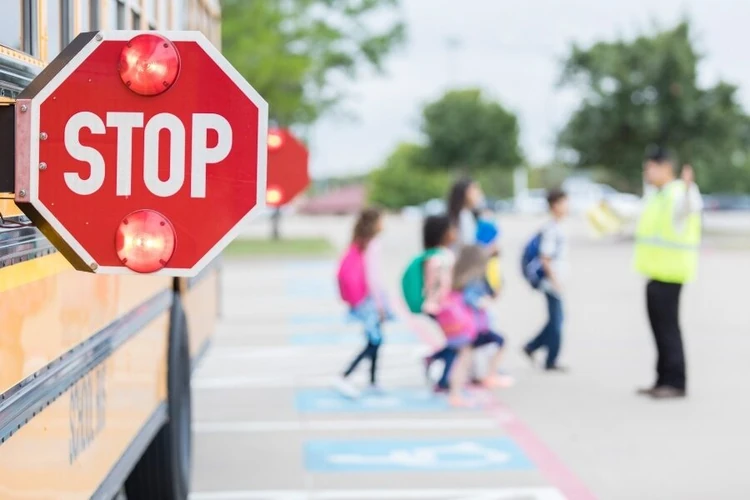
While parents certainly make up a large portion of these pollution levels, the researchers also cite another key player in the pollution near schools: school buses. 

“It is not only parents but also school buses that have been culprits of localized pollution hotspots around schools,” said Mendoza. “However, parents are a completely different story.” 

Article Image

Climate change may be the spark for the next pandemic, study finds

A new study conducted by researchers from Georgetown University Medical Center explored how climate change may be linked with the next pandemic.

The researchers explained that rising temperatures may force animals into closer proximity to humans; this is likely to increase the number of viruses spread from animals to humans, which could incite the next pandemic. 

“The closest analogy is actually the risks we see in the wildlife trade,” said researcher Colin Carlson, Ph.D. “We worry about markets because bringing unhealthy animals together in unnatural combinations creates opportunities for this stepwise process of emergency – like how SARS jumped from bats to civets, then civets to people. But markets aren’t special anymore; in a changing climate, that kind of process will be the reality in nature just about everywhere.” 

Long-term risks to human health

For the study, the researchers analyzed projected geographic range shifts for over 3,100 mammal species based on climate change predictions by the year 2070. The team was most interested in understanding how changes to the global temperature will affect where animals live and how that will affect the spread of viruses. 

The study showed that as the global temperature continues to rise, animals are going to be forced to move into areas that are heavily populated by humans. The researchers predict that Asia and Africa are likely to be the hotspots for this trend. The team also anticipates that the number of animal-borne infections is likely to increase by 4,000 times.

“At every step, our simulations have taken us by surprise,” Dr. Carlson said. “We’ve spent years double-checking those results, with different data and different assumptions, but the models always lead us to these conclusions. It’s a really stunning example of how well we can, actually, predict the future if we try.” 

The team's work found that bats may be the biggest culprits of this disease spread. Because bats can travel long distances, they are the most likely to contribute to the rapid spread of infections. 

The researchers explained that the biggest risks are to human health and environmental conservation. This is likely to increase the likelihood that viruses like Ebola and COVID-19 are more prevalent around the world. Moving forward, the team hopes to be able to conduct more research on both the impact of climate change on animal relocation and the monitoring of animal-borne infections. 

“When a Brazilian free-tailed bat makes it all the way to Appalachia, we should be invested in knowing what viruses are tagging along,” said Dr. Carlson. “Trying to spot these host jumps in real-time is the only way we’ll be able to prevent this process from leading to more spillovers and more pandemics. 

“We’re closer to predicting and preventing the next pandemic than ever. This is a big step towards prediction – now we have to start working on the harder half of the problem.”

Article Image

Climate change may double risk of tropical cyclones within next 30 years, study finds

A new study conducted by researchers from the University of Southampton explored some of the weather-related risks associated with climate change. According to the findings, intense tropical cyclones are expected to occur twice as often by the year 2050. 

“Of particular concern is that the results of our study highlight that some regions that don’t currently experience tropical cyclones are likely to in the near future with climate change,” said researcher Dr. Ivan Haigh. “The new tropical cyclone dataset we have produced will greatly aid the mapping of changing flood risk in tropical cyclone regions.” 

Long-term weather risks

To better understand how climate change can impact long-term weather patterns, the researchers analyzed global climate models and historical data on tropical cyclones. They then used a statistical model to estimate what tropical cyclones will look like over the next few decades as climate change continues to intensify. 

Their work showed that category three tropical cyclones, which are the most intense, are likely to become twice as frequent in many parts of the world as a result of climate change. The Bay of Bengal and the Gulf of Mexico proved to be the exception to these findings; these areas aren’t expected to experience intense cyclones as frequently. 

The researchers explained that there are currently only about 100 tropical cyclones that occur each year; however, most of them never touch down on land. These findings predict that these weather events are likely to become much more serious within the next 30 years. 

The study also showed that low-income countries are likely to experience the brunt of this extreme weather in the coming decades. Those that have the highest risk include Mozambique, Cambodia, the Solomon Islands, Laos, and Tonga. Similarly, the number of consumers in Asia who will be newly exposed to these extreme weather events is likely to increase by millions. 

With these findings, the goal now is to help local areas take necessary steps to protect the land and consumers from harm in the event of intense weather patterns. 

“Our results can help identify the locations prone to the largest increase in tropical cyclone risk,” said researcher Dr. Nadia Bloemendaal. “Local governments can then take measures to reduce risk in their region, so that damage and fatalities can be reduced. With our publicly available data, we can now analyze tropical cyclone risk more accurately for every individual coastal city or region.” 

Article Image

U.S. sea levels projected to rise one foot by 2050

As climate change continues to pose a threat worldwide, the National Oceanic and Atmospheric Administration (NOAA) published the Sea Level Rise Technical Report for 2022. 

Among several important points related to sustainability, the report highlighted that coastlines across the U.S. are likely to see sea levels rise by 10 to 12 inches by the year 2050. 

“This new data on sea rise is the latest reconfirmation that our climate crisis – as the President has said – is blinking ‘code red,’” said National Climate Advisor Gina McCarthy. “We must redouble our efforts to cut the greenhouse gases that cause climate change while, at the same time, help our coastal communities become more resilient in the face of rising seas.” 

Rising sea levels can increase flooding

For the report, experts from the NOAA combined data from satellite observations, tide gauges, and findings from the Sixth Assessment Report of the Intergovernmental Panel on Climate Change (IPCC). Their work spanned all 50 states, and the group made projections for what coastlines will look like over the next century and beyond. 

Perhaps the biggest takeaway from the report is the prediction for rising sea levels within the next 30 years. Experts anticipate that sea levels will rise by 10 to 12 inches by 2050, but this figure could vary by region. 

“This report supports previous studies and confirms what we have long known: sea levels are continuing to rise at an alarming rate, endangering communities around the world,” said researcher Bill Nelson. “Science is indisputable and urgent action is required to mitigate a climate crisis that is well underway.” 

In addition to rising sea levels across the country, the report predicts that flooding will also become more prevalent nationwide. The authors anticipate coastal areas will experience the brunt of these floods, with these events occurring more than 10 times as often as they do today, regardless of heavy rains. 

“These numbers mean a change from a single event every 2-5 years to multiple events each year, in some places,” said researcher Nicole LeBoeuf. 

Experts hope this report is helpful to consumers, particularly those who run businesses or live near the coast. The team says having access to this information is critical so that everyone can make the best decisions that positively impact the environment moving forward. 

“This is a global wake-up call and gives Americans the information needed to act now to best position ourselves for the future,” said researcher Rick Spinrad. “As we build a Climate Ready Nation, these updated data can inform coastal communities and others about current and future vulnerabilities in the face of climate change and help them make smart decision to keep people and property safe over the long run.” 

Article Image

White House announces new initiative focused on clean industrial emissions

President Biden has announced a new initiative intended to reduce the country’s greenhouse gas emissions. The administration's efforts will be focused on emissions from cement, aluminum, and steel. If the initiative lives up to the White House's expectations, about a third of the nation’s greenhouse gasses will be eliminated.

The effort has a direct connection to Biden’s other “clean energy” efforts, such as low-carbon production of the steel and aluminum we need for electric vehicles, wind turbines, and solar panels, and the clean concrete needed to upgrade our transportation infrastructure. 

As a bonus, Biden says the initiative will also produce more jobs and give the economy a shot in the arm and is a perfect partner for its “America COMPETES Act.”

“These actions will create more good-paying jobs and follow on a historic comeback for American factories, with 367,000 manufacturing jobs added during President Biden’s first year in office, the most in nearly 30 years,” the White House said in a statement. 

“Further strengthening our industrial base will revitalize local economies, lower prices for consumers, provide more pathways to the middle class through union jobs, and boost American competitiveness in global markets.”

High hopes

Clean energy has been a major focus of the Biden administration. Not only have officials promised billions of dollars in tax incentives for companies to build out solar and wind energy offerings, but the administration has also been campaigning for consumers to move toward electric vehicles.

Unfortunately for Biden, those efforts are stuck in Congress at the moment, and conditions aren't improving as they wait there. Reports indicate that greenhouse emissions rose in 2021, further setting clean energy initiatives back.

In comments made to New York Times, Michael Greenstone, an economist at the University of Chicago, called the new policy moves targeting industrial emissions “bite-sized,” but he said they were necessary in the absence of action from Congress.

“The country is now in a position where it must pursue climate change on a very thin reed,” Mr. Greenstone said.

Biden’s efforts are also getting pushback from his own government, where changes could make the most impact. As an example, the president ordered federal government agencies to switch gas-powered vehicles for electric-powered ones over the next 12 years, but the Postal Service – which has the biggest fleet of vehicles and could make the most impact – said it couldn’t meet the president’s request and bought more than 150,000 gas-powered trucks instead.

Article Image

Roadside littering may have long-term effects on the environment, study finds

Researchers at the University of California Riverside did a deep dive into roadside littering habits and the potential long-term effects it has on the environment.

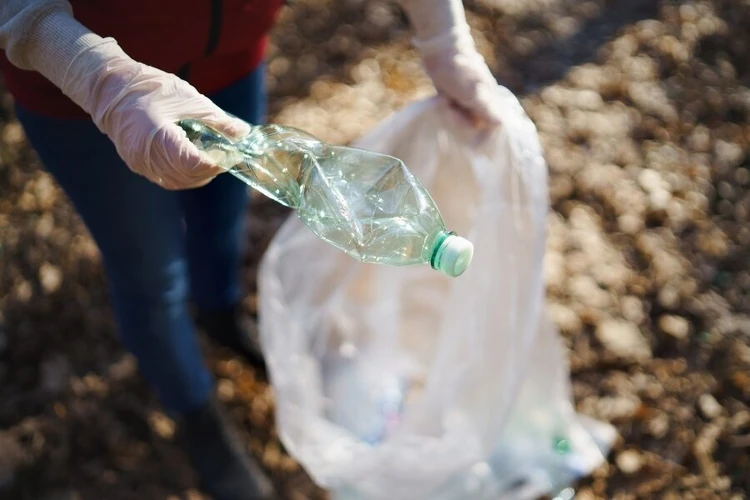
Their work revealed several important findings, including that the majority of this garbage comes from toxic plastics. They say unless consumers are disposing of it, this litter will likely remain in the environment forever. 

“There has been a lot of emphasis on individual human behavior as the way to decrease rates of littering,” said researcher Andrew Gray. “In reality, it’s just as easy or even more accurate to say that if we didn’t produce the stuff in the first place, it wouldn’t get into the environment.” 

Understanding trends in littering

For the study, the researchers analyzed nearly 3,300 feet of roadside several times per week for a month in five cities across southern California: Riverside, San Dimas, Moreno Valley, Palm Desert, and Loma Linda. Their analysis was primarily concerned with the accumulation rate of the litter, the origin of the litter, and the composition of the roadside litter. 

Ultimately, 60% of all roadside trash they collected was plastic, and most of it was either food or tobacco products. The study also showed that much of this trash doesn’t travel very far; consumers are depositing it along the road just short distances from wherever they purchased it. 

“A lot of people say, ‘it’s not my trash,’” said researcher Win Cowger. “I want to dispel that notion with the evidence that we have, at least here in the Inland Empire.” 

The researchers explained that while roadside litter may not seem like a significant issue, when left unattended, it remains in the environment forever. This means that these plastic and paper products eventually end up as pollution in the air or the water, or it breaks down into microplastics that are later ingested by consumers. 

Finding solutions for littering

With a better understanding of how roadside littering happens and what the primary culprits are, the researchers are now looking to find tangible ways to fix this issue. Their work showed that simply cleaning up roadside litter isn’t enough; in the team’s daily roadside inspections, they cleaned up the sites only to find there was more litter the next day.  

“There’s a broken window theory some people subscribe to, that trash begets trash,” said Coger. “However, we find even if you keep a place clean the accumulation is really consistent so other actions to prevent litter in the first place are needed.” 

The researchers now plan to conduct similar trials across the country, and they’re calling on public officials to step in and ramp up efforts like street cleaning for the overall benefit of the environment. 

“There’s a more systematic approach we need to take as humans to decide what gets produced, because eventually, it all gets into the environment,” said Gray. 

Article Image

Subtle changes to your diet could help the environment, study finds

A new study conducted by researchers from Tulane University explored how consumers can make subtle, but impactful, changes to their diets that benefit the environment. According to their work, changing one food item per day could help improve the carbon footprint associated with eating animal-based products. 

“The changes needed to address our climate problem are major,” said researcher Diego Rose. “They are needed across all sectors and along all levels of human organization from international agencies to federal and state governments to communities and households. Many individuals feel strongly about this and wish to change our climate problem through direct actions that they can control. This, in turn, can change social norms about both the seriousness of the problem and the potential solutions that can address it. Our study provides evidence that even simple steps can assist in these efforts.” 

Making more plant-based choices

For the study, the researchers analyzed survey responses from more than 16,000 consumers who answered questions about their typical diets. The team was primarily interested in seeing how making slight changes to the participants' diets – specifically, swapping out one food item for a more climate-friendly option – impacts consumers’ water scarcity footprints and greenhouse gas emissions levels. 

While the researchers learned that swapping out various foods can have environmental benefits, the biggest difference came when consumers replaced beef with either turkey or chicken. With 20% of the participants reporting eating at least one serving of beef per day, the researchers believe making this switch will create considerable benefits for the environment. 

“People can make a significant difference in their carbon footprint with very simple changes – and the easiest one would be to substitute poultry for beef,” said Rose. 

Their work showed that choosing poultry over beef for just one meal per day would reduce greenhouse gas emissions by nearly 50%; it would also impact water scarcity by 30%. If these changes were made on a national scale, the carbon footprint of the U.S. would shrink by nearly 10%, and the water scarcity levels would decrease by nearly 6%. 

Swapping peanuts for almonds was also linked with lowering water scarcity by 30%, while having cod instead of shrimp lowered the nation's carbon footprint by 34%. The researchers also learned that peas were better than asparagus in terms of water scarcity, whereas soy milk beat out dairy milk in terms of carbon footprint. 

Whether it’s animal products or agricultural products, there are environmental risks associated with food production. While it will take more than just individual efforts to benefit the planet long-term, the researchers hope these findings highlight the ways that consumers can make minor adjustments to their diets that have wide-reaching benefits. 

Article Image

2021 ties as the sixth warmest year on record, NASA reports

A new study conducted by researchers from NASA explored the most recent trends in warm weather patterns. Their work showed that 2021 came in as tied for the sixth warmest year on record since 1880. The report also showed that the last eight years have all been record-high years in terms of temperature. 

“Science leaves no room for doubt: climate change is the existential threat of our time,” said researcher Bill Nelson. “Eight of the top 10 warmest years on our planet occurred in the last decade, an indisputable fact that underscores the need for bold action to safeguard the future of our country – and all of humanity. NASA’s scientific research about how the Earth is changing and getting warmer will guide communities throughout the world, helping humanity confront climate and mitigate its devastating effects.” 

Understanding weather patterns

NASA has several different methods for recording the global temperature throughout the year, including ships and weather stations. NASA then confirms those readings with data from the organization’s Atmospheric Infrared Sounder (AIRS), and they compare the final readings with temperatures from 1950-1980, which serve as the baseline. 

This work showed that 2021 was tied with 2018 for the sixth warmest year since 1880. The planet was nearly two degrees Fahrenheit warmer than it was during the 1800s, as well as 1.5 degrees Fahrenheit warmer than the average. Overall, the data shows that our planet is continuing to get warmer. 

A separate analysis from the National Oceanic Atmospheric Administration (NOAA) produced identical results. The NOAA uses 1901-2000 as their baseline period for determining temperature averages, and their work confirmed that 2021 was the sixth warmest year on record.  

“The complexity of the various analyses doesn’t matter because the signals are so strong,” said researcher Gavin Schmidt. “The trends are all the same because the trends are so large.” 

What contributes to rising temperatures? 

Though the yearly global temperature is affected by several factors, the researchers say the climate patterns in the Pacific – which include La Nina and El Nino patterns – play a role in the weather we experience. This year, they credit the La Nina pattern for making things not as warm as they might have been. They explained that this weather cycle may have lowered the global temperature by 0.06 degrees Fahrenheit. 

However, it’s also important to consider the factors that contribute to the rising global temperatures. Increases in greenhouse gas emissions and carbon dioxide levels are primarily the culprits for these increases that are felt worldwide. 

As the global temperature continues to increase, and these yearly reports reflect similar trends, the researchers hope their findings emphasize the impact that climate change is having on the world. 

Article Image

Greenhouse emissions rose in 2021, setting Biden clean energy initiatives back

As more information related to the COVID-19 pandemic rolls in, regulators say the U.S. is falling behind its environmental goals. 

After dropping 10% year-over-year in 2020, a recent report from the Rhodium Group shows that greenhouse gas emissions spiked last year by 6.2%. The researchers say two of the primary drivers of the spike were a resurgence in freight truck transportation and the use of coal-powered energy. 

“If anything, last year’s rebound in emissions was lower than it could have been because the pandemic is still causing disruptions and the economy isn’t back to normal,” Kate Larsen, a partner at the Rhodium Group, told the New York Times. “Emissions are still well below 2019 levels.”

The turnaround won’t kill President Biden’s pledge to cut U.S. greenhouse gas emissions in half by 2030, but it definitely complicates the administration’s plans. Officials hope that wind power, solar energy, and electric vehicle initiatives in the Build Back Better agenda will steer the U.S. in the right direction, but getting all of Congress on board may be difficult.

Getting Senator Joe Manchin (D-WV) to buy in is likely the tipping point. As he has on other Democrat-led efforts like a minimum wage increase, Manchin has been reluctant to give the White House what it wants – possibly stemming from his desire to protect West Virginia’s investment in coal production.

Emissions rise as pandemic rages on

While passenger travel was up a bit last year, it was mostly freight trucks that were responsible for the largest increase in emissions in 2021. As consumers bought more products that had to be shipped from point A to point B, the U.S. counted on trucks to get those products to stores and on doorsteps. 

On a year-over-year basis, aggregate diesel demand rose 9% from 2020 levels, putting it at 0.4% above 2019 levels. Rhodium’s research showed that despite air travel’s dramatic 26% surge in 2021, it remained in check, down 24% from 2019 levels.

After transportation, the electric power sector accounted for the next biggest spike in U.S. emissions. At 28%, electricity proved to be the second-largest increase in greenhouse gas emissions from 2020 levels, increasing by 6%.

Coal had an even bigger impact on emissions, rising by 17% in 2021. The trickle-down effect will no doubt mean rising energy costs for consumers. In its latest Annual Energy Outlook, the U.S. Energy Information Administration projects that U.S. coal prices will generally increase each year through 2050, based largely on assumptions for the coal and electricity markets and industrial sector demand.