2020 Healthcare Costs and Policy Issues

Article Image

FDA investigating two E. coli outbreaks

The U.S. Food and Drug Administration (FDA) is working with various state governments to track down the origin of two new E. coli outbreaks. 

At this point, the agency says there are a lot of unknowns. What is known is that the illnesses have been caused by Shiga toxin-producing E. coli O157:H7 (STEC).

“We do not know what food is causing people to get sick or whether it involves an FDA-regulated food product,” said  Frank Yiannas, FDA deputy commissioner for Food Policy and Response. “However, we have seen similar recurring, emerging or persistent strains of E. coli in recent outbreaks.” 

“E. coli O157:H7 can contaminate many foods, and we cannot assume that the current outbreaks are linked to historically associated foods like romaine and other leafy greens,” the agency added. “There is no information currently to indicate that people should avoid any specific food.”

One of the E. coli outbreaks is being caused by a strain that is genetically related to a strain that caused the 2019 STEC outbreak linked to romaine grown in the California Central Coast Salinas growing region. To date, health officials have documented 23 cases and no deaths.

The second outbreak is being caused by a strain that is genetically related to a larger, diverse genetic cluster including the strain that caused the 2018 STEC outbreak linked to romaine and environmental isolates from the Yuma, Arizona growing region. To date, 21 cases and one death have been reported.

‘Transparency and early communication’

"We are issuing this update early in our investigation as part of our continued commitment to transparency and early communication,” Yiannas said. “We are also working toward making a new resource available soon on our website to provide early updates on new and active investigations.

Because the origin of the two outbreaks is still a mystery, consumers should take precautions when consuming uncooked produce. Produce should be carefully and thoroughly washed before serving. The FDA offers these guidelines for safe storage and preparation of produce.

The 2019 E. coli outbreak finally ended in January of this year, an outbreak linked to California-grown romaine lettuce. In total, 167 people across 27 different states were infected by tainted products. Of that number, 85 consumers were hospitalized and 15 developed hemolytic uremic syndrome, which is a type of kidney failure. Luckily, there were no deaths linked to the outbreak. 

Article Image

Scarlet fever is reemerging as a public health threat

While the risk of kids contracting scarlet fever hasn’t been a serious concern in nearly 80 years, a new study conducted by researchers from the University of Queensland found that the highly contagious infection has reemerged in recent years. Their work revealed that clones of the bacteria that cause scarlet fever are at the root of this resurgence, and keeping kids healthy is of the utmost importance. 

“The disease had mostly dissipated by the 1940s,” said researcher Dr. Stephen Brouwer. “After 2011, the global reach of the pandemic became evident with reports of a second outbreak in the U.K., beginning in 2014, and we’ve now discovered isolate outbreaks here in Australia.” 

“This global re-emergence of scarlet fever has caused more than a five-fold increase in disease rate and more than 600,000 cases around the world.”  

Bacterial clones

Because scarlet fever has been dormant for so long, the researchers were interested in discovering how the infection has reappeared in recent years. They began studying the Streptococcus pyogenes bacteria, which is what causes scarlet fever. They learned that copycat bacteria had evolved and added new toxins that produce an even greater immune response. 

“The toxins would have been transferred into the bacterium when it was infected by viruses that carried the toxin genes,” said researcher Mark Walker. “We’ve shown that these acquired toxins allow Streptococcus pyogenes to better colonise its host, which likely allows it to out-compete other strains. These supercharged bacterial clones have been causing our modern scarlet fever outbreaks.” 

The researchers explained that scarlet fever is spread the same way most bacterial infections are spread -- by an infected person coughing or sneezing near an uninfected person. Because young children are most susceptible to the virus, it can spread rather quickly. Case numbers have been low recently because of measures currently in place to protect consumers against COVID-19; however, the researchers worry about how that will change as children go back to school and social distancing protocols begin to ease up. 

“We need to continue this research to improve diagnosis and to better manage these epidemics,” said Walker. “Just like COVID-19, ultimately a vaccine will be critical for eradicating scarlet fever -- one of history’s most pervasive and deadly childhood diseases.” 

Article Image

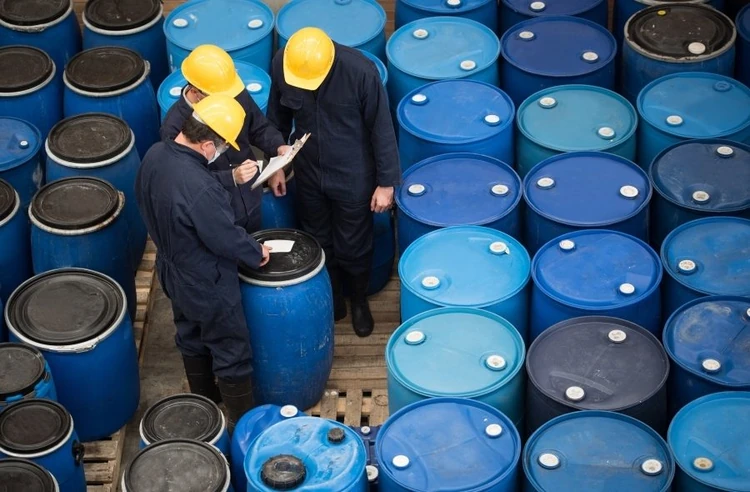
Toxic contaminants consumers bring home from work could be a public health hazard

A new study conducted by researchers from Boston University School of Medicine found that consumers could be bringing toxic contaminants from work into their homes. 

The researchers say this trend is certainly a cause for concern, as the exposure to such chemicals could become a public health hazard. 

“Although OSHA [Occupational Safety and Health Administration] does regulate some key workplace exposures that can become take-home exposures, such as asbestos, lead, and pesticides, often regulations are not up to date or enforced enough to be protective at the family level,” said researcher Dr. Diana Ceballos. 

Affecting the household

Dr. Ceballos drew on her previous work with the Centers for Disease Control and Prevention (CDC), as well as several other studies that have evaluated the impacts of take-home exposures, to better understand how these chemicals can affect more than just the workers themselves. 

The researchers explain that regulations are put in place that are designed to protect workers, and ultimately the people they come into contact with after work hours. However, they found various cases in which these strategies didn’t hold up. The researchers found that systemic inequalities often make it difficult for workers to avoid potentially dangerous working conditions, as those who work in direct contact with contaminants can’t afford to lose their jobs by speaking up. 

This issue becomes compounded when workers live in buildings that are also contaminated with similar chemicals, as those who live there are getting double the exposure. Children are particularly vulnerable to such contaminants, as it takes lower levels of exposure for them to experience the side effects that come with these chemicals. 

Tighter regulations needed

While the researchers are calling for tighter regulations for all workers, they also explained that work needs to be done on all fronts, including improving housing units to ensure that workers aren’t putting themselves or their loved ones at risk. 

“To prevent the chronic, low-level, take-home exposures that are particularly harmful for developing children, a multi-tier intervention approach including interventions at the workplace, home, and community levels are needed,” said Dr. Ceballos.