
New Pew analysis finds modern apartment buildings are six times safer from deadly fires than older homes.
Zoning reforms that allow more apartments could boost housing supply and save lives.
States from California to Texas are leading efforts to modernize housing laws.
With a record 63% of U.S. households now made up of just one or two people, the need for more apartments has never been greater. Yet across the country, outdated zoning codes and building restrictions often make constructing new multifamily housing costly—or impossible.
Those rules don’t just worsen the housing shortage, researchers say. They may also cost lives.
Fire deaths reveal the safety edge of new apartments
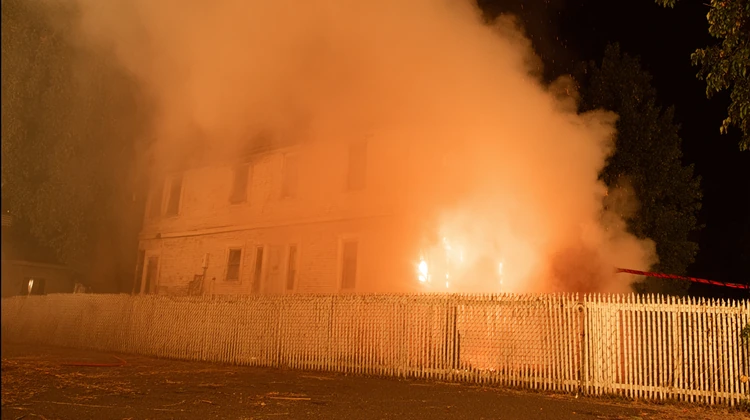
A new analysis from the Pew Charitable Trusts finds that modern apartment buildings—those built since 2000—are by far the safest type of housing when it comes to fire deaths. In 2023, the fire death rate in those newer buildings was 1.2 deaths per million residents, compared with 7.6 in single-family homes and 7.7 in older apartments.
The reason: stricter building codes and advanced safety features. Today’s apartments typically include sprinklers, self-closing doors, fireproof stairwells, and fire-resistant construction materials—provisions that have slashed fatality risks by more than 80% over the past two decades.
Updating rules could save both lives and wallets
Pew’s findings confirm that the safest and most affordable housing options—modern apartments and condos—are often the hardest to build. Regulatory barriers such as mandatory two-staircase designs in small buildings, strict parking minimums, and bans on residential units near transit or commercial zones all slow construction and raise costs.
Removing those obstacles, the analysis suggests, could simultaneously expand the housing supply and prevent fire deaths.
States move to open the door to safer housing
A growing number of states have already begun dismantling outdated housing rules. Recent legislative sessions saw California, Maine, Montana, New Hampshire, Texas, and Washington pass measures to:
Reduce minimum lot sizes.
Ease parking mandates.
Permit small backyard homes.
Streamline permitting.
Allow small apartment buildings—even with just one staircase—in commercial areas.
These reforms aim to make new housing both more attainable and more secure.
Old homes pose the greatest danger
The United States’ housing stock is now the oldest it has ever been, and age is the single strongest predictor of fire risk. Pew found that residents of homes built before 1970 face a 17 times higher chance of dying in a fire than those in apartments constructed after 2010.
One solution, two benefits
The takeaway is clear: Building more apartments isn’t just a fix for the housing crunch—it’s a public safety strategy. Pew’s analysis shows that modernizing zoning laws can help lower rents, expand homeownership opportunities, and keep Americans safer in their homes.
As Pew’s housing policy director Alex Horowitz concludes, the same reforms that make it easier to build new apartments can “slow the growth in rents and put the dream of homeownership in reach for more American families, while keeping them safer in the bargain.”