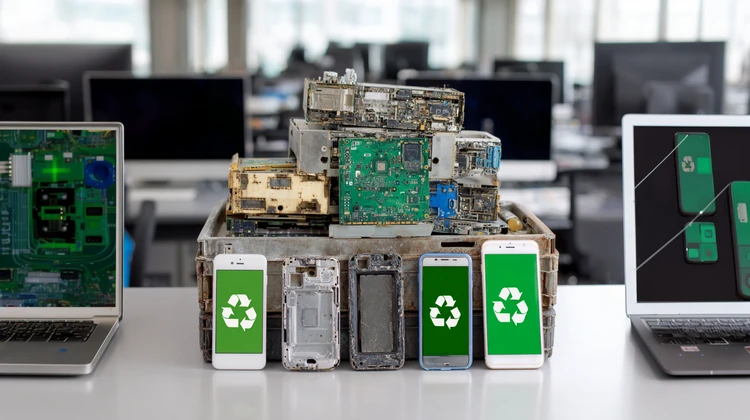

Old tech can still be worth money: Trade-in programs from Apple, Amazon, Target, Staples, and Best Buy may pay you cash or store credit for old devices.
Don’t throw electronics in the trash: Old devices can create fire and environmental hazards, and it’s illegal in some states.
Wipe your data first: Always factory reset phones, tablets, laptops, and smart devices before recycling or donating them.
That old iPhone sitting in your junk drawer? It might still be worth cash. And tossing it in the trash could actually be illegal depending on where you live.
A new CNET survey found that 22% of Americans still throw old electronics in the trash, despite growing concerns about toxic e-waste, lithium-ion battery fires, and the fact that many devices still hold trade-in value. Even more surprising, only 24% of Americans trade in old tech, while nearly three in 10 simply stash old devices around the house collecting dust.
The reality is that old phones, tablets, laptops, gaming systems, and even broken electronics can still have value. And if they don’t, there are now easier ways than ever to recycle them safely for free.
Here’s how to avoid wasting money, protect your personal data, and responsibly get rid of your old tech.
Why throwing away electronics is a bad idea
Many people still treat old electronics like ordinary trash. But modern gadgets contain lithium-ion batteries and materials that can create environmental and safety hazards.
According to the EPA, improperly discarded batteries can:
- Leak toxic chemicals
- Spark fires in garbage trucks or recycling centers
- Damage landfills
- Pollute groundwater
In fact, some states now ban electronics from regular trash disposal entirely.
And beyond the environmental side, many people are unknowingly throwing away devices that still have real resale or trade-in value.
An old smartphone that feels completely outdated to you could still be worth:
- $50–$400 as a trade-in
- Store credit at major retailers
- Cash through resale programs
That makes tossing electronics in the trash one of the easiest ways to literally throw money away.
Start with the easiest win: Trade-in programs
If your device still powers on and works reasonably well, a trade-in is usually the easiest route.
And the biggest advantage is you can avoid dealing with Craigslist scammers, shipping hassles, and flaky Facebook Marketplace buyers.
Apple
Via their online trade-in program, Apple accepts:
- iPhones
- iPads
- Macs
- Apple Watches
- Some Android devices
Eligible devices can earn Apple Gift Cards or instant credit toward a new purchase. Even if your device isn’t eligible for credit, they’ll still recycle it for you for free.
Pro tip: Apple trade-in values tend to drop sharply right after new iPhone launches in September, so trading in before new models release will get you maximum value.
Amazon
Amazon’s trade-in program lets shoppers exchange eligible devices for Amazon gift cards, as well as for discounts on new Amazon tech devices.
If the device has no value, Amazon will still let you recycle it for free, via their Amazon recycler program.
This is especially useful for:
- Kindles
- Fire tablets
- Echo devices
- Smart speakers
- Cell phones
- Wireless routers
- Older streaming devices
When you start the trade-in process, you’ll be asked questions about the tech device and its condition. You’ll then be given a preliminary value of the item which you can accept or reject.
If you accept Amazon’s offer you simply ship it back to them or drop it off at a trade-in location. Once they get the device, they’ll verify its condition and pay you via an Amazon gift card credited to your account.
Target
Target quietly offers a surprisingly good online tech trade-in program.
Accepted items include:
- Smartphones
- Tablets
- Laptops
- Video games
- Media players
- Gaming consoles
- Smart speakers
- Wearables
You start the trade-in process by visiting https://tradein.target.com. You’ll then search for your device in their trade-in catalog, and answer a few questions about its condition.
If you accept the trade-in quote, they’ll provide you with a prepaid USPS shipping label along with further shipping instructions.
In return, you’ll get paid via a Target eGiftCard that can be used both online and in stores.
Staples
Staples has become one of the easiest places for everyday tech recycling.
The company offers:
- In-store electronics recycling
- Mail-in recycling kits
- Rewards points for eligible recycling activity
- Trade-in gift cards for select devices
This is a great option for older accessories and office tech people tend to forget about, like:
- Printers
- Mobile phones
- Routers
- Old keyboards
- Dead laptops/desktops
- Smart watches
- Tablets
Via their online trade-in program, you simply search for the device you want to trade-in by name or model number. Then, answer some questions about the device, and they’ll give you an estimated value.
You’ll then ship it to them using a prepaid UPS shipping label. Once they receive it, you’ll get paid via a Staples eGift Card after they confirm the condition.
Best Buy (may be the easiest overall option)
For many consumers, Best Buy offers the simplest all-around trade-in solution.
Best Buy accepts a huge range of electronics for trade-in, including:
- TVs
- Computes
- Phones
- Headphones
- Tablets
- Networking devices
- Cables
- Printers
- Gaming consoles
Similar to the other services listed above, you answer some questions about the device's condition, and they give you an estimated value. You’ll then get paid via Best Buy Gift Card when the item is received and verified.
Most Best Buy stores also allow customers to walk-in and recycle up to three items per household, per day, for free. This includes items like TV’s, small household appliances, and home theaters.
They also offer:
- Mail-in recycling boxes
- Haul-away services for large appliances like refrigerators (This costs $49.99 with replacement product, or $199.99 for standalone haul-away.)
Pro tip: Before hauling a large TV or monitor into Best Buy, be sure to check the store’s restrictions online. Some items may carry recycling fees depending on their size and state laws.
Don’t forget about donation options
Not every device needs to be recycled immediately.
Many older electronics still work perfectly fine for students, seniors, low-income families, and non-profits.
In particular, organizations like GreenDrop accept donated electronics on behalf of charities, and those donations are typically tax deductible.
You can also check:
- Local schools
- Community centers
- Domestic violence shelters
- Libraries
Older laptops and tablets can still be incredibly useful for basic internet access, homework, or streaming.
The most important step: Wipe your personal data
This is the step many people skip, but it’s important to wipe your devices.
Before recycling, donating, or selling any device:
- Back up your files and photos
- Sign out of accounts
- Remove saved passwords
- Perform a full factory reset
That includes:
- Phones
- Tablets
- Smartwatches
- Laptops
- Smart home devices
For laptops and desktops, it’s especially smart to remove browser autofill data, logout of any streaming apps, and disconnect your cloud storage account.
Pro tip: Don’t just delete files manually. A proper factory reset is critical because deleted files can sometimes still be recovered in the hands of the wrong person.
Why so many people keep old devices forever
The CNET survey found that 29% of Americans simply keep old tech at home.
Honestly, most people do this for the same reasons:
- They think it may still be useful someday.
- They worry about personal data.
- Recycling feels confusing.
- They don’t know what the device is worth.
But those old drawers full of tangled chargers and outdated phones can actually become:
- Fire hazards
- Clutter magnets
- Lost financial opportunities
And the longer you wait, the less your device is worth. That “worthless” old phone sitting in your drawer might pay for your next Target run, Amazon order, or even a chunk of your next smartphone upgrade.