

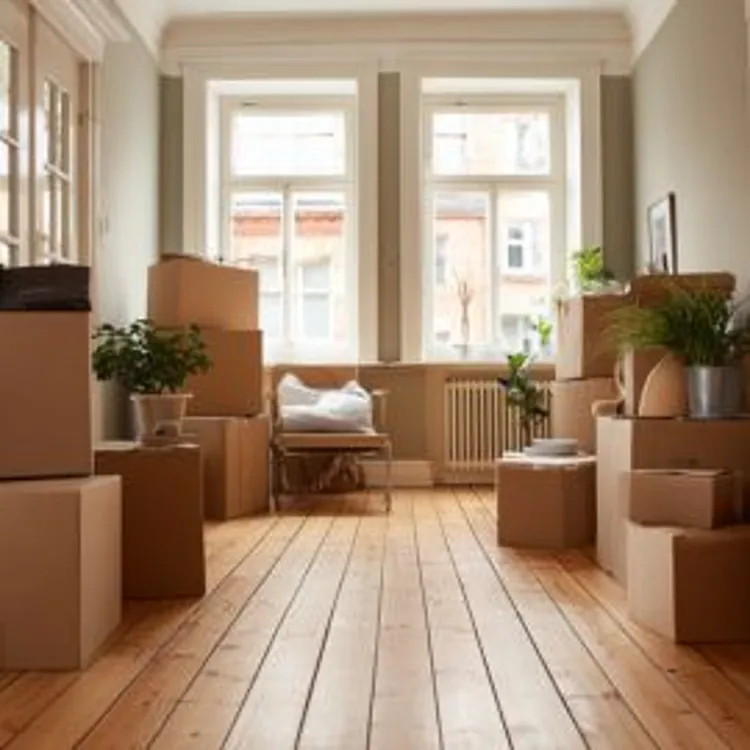
Planning an apartment move
Moving on your own for the very first time can be overwhelming, but with a little preplanning and smart budgeting, moving day can go pretty smoothly.
Apartment moving prep checklist
The weeks leading up to the move are a good time to begin decluttering, donating unneeded items and generally cleaning your space out so you don’t end up moving more than you need to. It’s also smart to begin packing in those weeks so you aren’t scrambling closer to move-in day. You can get started by packing a few boxes with seasonal items, decor, books and anything else you don’t use every day.
Ashlyn Kreshel, director of operations at UniMovers, said there are a few logistical items to consider before you move. Here’s her go-to premove checklist.
- Reread the terms of your lease, including details like the rent amount and due date, grace periods, utility responsibilities, rules about pets and guests, maintenance instructions and early termination penalties.
- Document any existing damage during your premove walk-through.
- Connect any utilities you’re responsible for to avoid delays on move-in day, including electricity, water, gas or internet.
- Finalize transportation for moving day, whether a rental truck or a personal vehicle.
- Purchase renters' insurance if required by your landlord.
- Change your address with the USPS about two weeks before you move
If you’re moving into an apartment building, make elevator reservations and check loading-dock availability to ensure you and your movers can get in and out quickly, Kreshel told us.
» MORE: Moving out of your parents’ house
Apartment moving budget tips and hidden expenses
One of the most important parts of planning your move is creating a moving budget. “First-time renters often forget upfront expenses like the security deposit and sometimes last month’s rent,” said Kreshel. “You’ll also want a buffer for emergencies and for unexpected move-in purchases.”
To avoid surprise costs, keep this budget checklist handy.
- Tally your upfront expenses, including security deposit, first and last month’s rent, application fees and pet fees.
- Factor in moving company costs or truck rental fees.
- Plan for items you may need to buy when moving in, such as cleaning supplies, basic tools, a shower curtain and kitchen essentials.
- Budget for moving supplies, like boxes, tape, packaging materials, scissors, markers or labels.
- Allocate money for initial groceries or takeout.
But, even with all of the budgeting, it’s still possible for emergencies or other surprise expenses to pop up. “We recommend people include a buffer of at least 15% to 20% on top of your estimate so they’re not stressed when reality hits,” said Charles Chica, owner of CT Best Movers in Connecticut.
Hiring movers vs. moving yourself
Deciding between hiring professional movers or moving yourself often comes down to budget, physical ability and how much you own, according to Kreshel. “First-time renters coming from dorms or shared housing might not have much furniture, which makes DIY manageable,” she said. “If you have heavier items like beds, dressers and couches or a long staircase or tight hallways, hiring professional help is generally worth it for the safety and convenience.”
A lower-cost option is labor-only movers, who handle loading and unloading while you arrange the truck and transportation. “You drive the rental truck, which keeps costs down, and trained movers handle loading and unloading efficiently and safely,” Kreshel said.
Packing tips for moving into an apartment
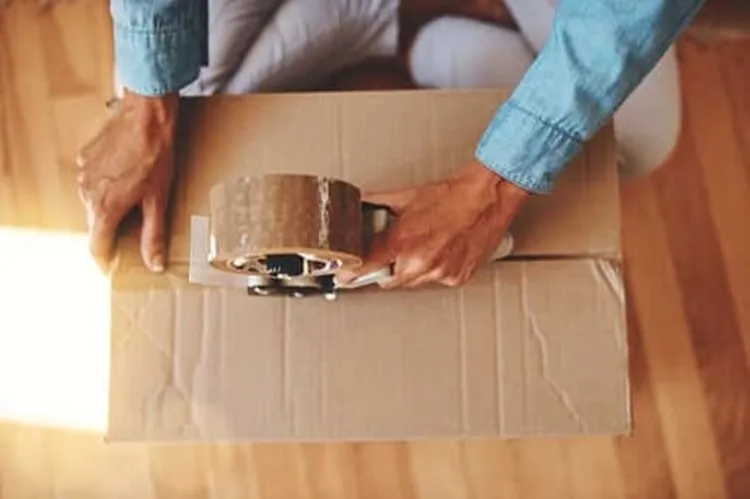
Packing for an apartment move is not that different than packing for any other kind of move. You’ll want to start early so that you’re not stressed and rushing at the end. The first things you should pack are nonessentials like seasonal items, decor and anything that doesn’t get used day to day.
Efficient packing is key. Here are some tips that can help keep your packing organized:
- Keep boxes uniform in shape and size.
- Don’t overpack boxes.
- Pack heavier items in smaller boxes and lightweight items in larger boxes.
- Label boxes as clearly and descriptively as you can.
- Pack a first-night essentials box to keep with you in the car.
Labeling your boxes well is a step you won’t regret when it comes time to unpack. “Go ahead and label far more in-depth than you think is necessary,” said Chica. “Room names and a quick note of what’s inside can save everyone time and frustration when uploading and unpacking.”
One pro tip: measure everything beforehand. Measure the doorframes, living spaces and bedrooms in your new apartment, and then measure your furniture to make sure it actually fits. Doing this ahead of time can save you the headache of finding out on moving day that your couch won’t fit through the front door.
» COMPARE: Top-ranked moving companies
Moving day tips for your new apartment
Your most important tasks on moving day are going to be making sure your move goes smoothly from point A to point B. Here are Kreshel’s recommendations for moving day:
- Protect your belongings and the apartment with blankets, stretch wrap and furniture pads.
- Keep hallways and entrances clear for safety.
- Check that all utilities are functioning when you arrive.
- Do a quick clean before setting down furniture.
- Take photos before unpacking anything.
Take clear photos of every room and any existing damage before unpacking so you have documentation if a deposit dispute comes up later.
“If using movers, have everything packed and ready,” she told us. “Clear communication about where items go speeds up the job and keeps the move efficient.”
It’s also important to build in time for breaks — moving is physically hard and strenuous work. “Don’t stack your schedule tightly and stress yourself. Give yourself plenty of breathing room,” said Chica. “Don't forget to stay hydrated as well, especially in the summer heat, and don’t try lifting things you clearly shouldn’t.”
What to do in the first 24 hours after moving into an apartment
After a move, it's not unusual to find yourself surrounded by boxes in your new apartment, wondering where to begin. The first 24 hours can seem daunting, but focus on just a few essentials to get you through the first night. Here’s a quick checklist to get you started:
- Set up your bed and basic bathroom supplies.
- Unpack a few very basic kitchen items, like coffee for the next morning.
- Confirm that locks, smoke detectors, outlets, appliances and water fixtures are functioning properly.
“If you notice anything damaged or nonfunctioning, report it to your landlord immediately with photos,” said Kreshel.
Settling into your new apartment
After you’ve made it through the first night, it’s time make the space feel like home. Before unpacking, double-check your lease agreement for any move-out policies that could jeopardize your security deposit, such as rules around wall hangings and other alterations. “If you’re unsure of anything, ask before signing. You’re entitled to clarity on all terms,” Kreshel said.
Here’s what you should review in your lease, according to Kreshel:
- Security deposit rules
- Maintenance responsibilities and how to submit a request
- Move-out requirements, including cleaning expectations
- Rules regarding alterations (painting, hanging shelves, etc.)
After that, you can clean. It’s a good idea to give the kitchen and bathrooms a good deep-clean while the apartment is empty, wiping down counters, scrubbing out toilets and baths and sanitizing the sinks. Also, vacuum and mop the floors, and spray and wipe down drawers, shelves and the insides of the cabinets.
» MORE: Tips for couples moving in together
How to make your new apartment feel like home
Houses don’t become homes overnight; it takes time to make a new space truly feel like home. But there are a few things you can do quickly to jump-start that cozy feeling. First, “unpack personal items early, like photos or your favorite blanket,” said Chica. “Making space for a couple of images and a blanket can make a huge difference when it comes to being cozy during your first night at your new house.”
Other easy ways to make the space feel like home include:
- Add ambient lighting that adds warmth.
- Bring plants in to give the space some greenery and life.
- Set up comfort zones like a reading nook, a cozy corner or a small prep area for your morning routine.
- Decorate with renter-friendly decor like rugs, peel-and-stick wallpaper or stick-on art.
Common mistakes when moving into a new apartment
Moving can be a stressful life event, so it’s not surprising if some mistakes are made in the process. But knowing what those mistakes are ahead of time might help you avoid them.
Here are some of the biggest mistakes first-time renters make, according to Kreshel:
- Not budgeting for hidden or recurring costs beyond rent
- Signing a lease without touring the unit
- Underestimating how long packing and moving will take
- Forgetting to set up utilities before your move date
- Overlooking details that affect daily living, like laundry access, parking rules and pet policies
- Falling for rental scams due to urgency
Finding out how much you can reasonably afford is an important step before committing to an apartment. Besides rent, you’ll want to budget for other recurring costs like utilities and internet, as well as groceries, transportation and parking.
Kreshel also warned against falling for rental scams, especially if you’re looking for properties online. “Listings that feel ‘too good to be true,’ landlords who won’t meet you or show the unit, or requests for unusual payment methods are major red flags,” she said. “Always verify the property through Google Maps, tour in person (or via video if long distance) and never send money until you’ve confirmed legitimacy.”
FAQ
How do I decide between hiring movers and doing it myself?
If you’re moving from a dorm or shared living space and aren’t moving a lot of heavy furniture or items in general, moving by yourself can make sense. But if you are moving heavy furniture, a lot of boxes, or need to move very quickly, hiring movers is often the smarter move.
What are the most overlooked moving expenses?
Common overlooked expenses include underestimating the cost of moving supplies like boxes and tape, moving truck mileage fees, new household items like sheets, shower curtains or dishes, and tips for the movers.
What are the best apps or checklists for moving organization?
There are several apps that can help you keep track of your move, such as Sortly, Moving Organizer Lite and Move Advisor. Some apps are best for packing and inventory management, such as Sortly, while others offer checklists and timelines, such as Move Advisor.
How do I move with pets?
Prepare your pets for the move ahead of time — get them used to the boxes and extra packing materials by starting the packing process early, maybe even leaving some of them open for them to explore. Try not to change their routine too much, keeping meal times and walks the same. On move day, keep your pet calm, and if you can, ask a friend to hang out with them or hire a pet sitter.
How do I move large furniture?
Moving large furniture is often best left to professionals to avoid damaging the furniture or apartment and risking injury. That said, it’s best to prepare the furniture before movers come — empty dresser drawers, for instance, to make the furniture lighter and easier to lift.
Article sources
ConsumerAffairs writers primarily rely on government data, industry experts and original research from other reputable publications to inform their work. Specific sources for this article include:
- Bay Property Management Group, “How to Make Your Apartment Feel Like Home in 6 Steps.” Accessed Dec. 1, 2025.
- Steinway Moving & Storage, “The 3 Best Free Moving Apps That You Need Now.” Accessed Dec. 1, 2025.
- Einstein Moving Company, “11 Tips For Moving With Pets: The Ultimate Guide.” Accessed Dec. 1, 2025.
- U-Haul International, “10 Tips for Moving Large Furniture.” Accessed Dec. 1, 2025.