

Moving safety tips before moving day
A safe moving day begins with proper planning to minimize the risk of accidents and physical strain. By organizing your strategy in advance, you can ensure the process is both efficient and safe.
To keep your move injury-free and organized, follow these essential safety tips:
- Declutter first: Sort through your belongings and remove items you no longer need. Reducing your cargo volume minimizes the number of boxes you handle and lowers the risk of tripping over excess clutter.
- Assess and recruit: Evaluate the weight and size of your furniture. Don’t attempt to go at it alone; recruit friends and family or hire professional movers to share the heavy lifting.
- Equip yourself: Gather necessary safety gear, including work gloves, moving dollies, lifting straps and a basic first-aid kit. Ensure everyone involved is wearing sturdy, closed-toe footwear.
- Map out the logistics: Create a detailed plan that outlines your timing, moving routes, loading order and team responsibilities.
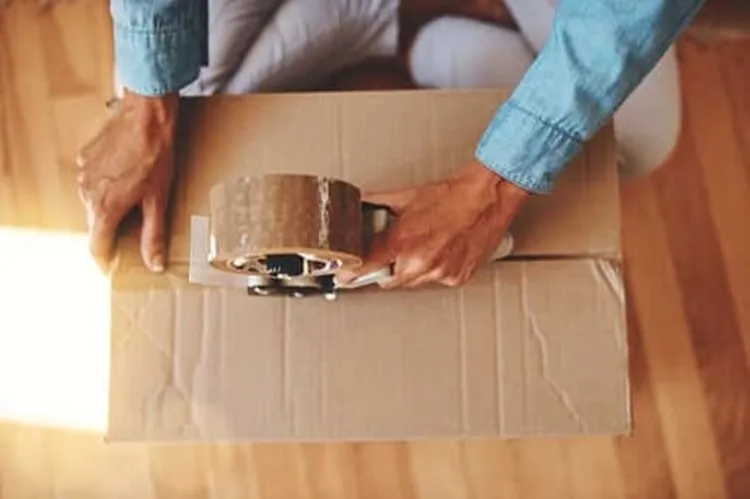
- Use proper packing materials: Use sturdy boxes designed for specific items, such as reinforced boxes for electronics. Research packing techniques to ensure weight is distributed evenly.
- Clear the path: Walk through your moving route and remove any hazards. Pay special attention to loose area rugs, tangled cords and uneven surfaces.
- Manage pets and children: Arrange for a sitter or a designated safe zone for young children and pets to keep them out of high-traffic areas.
- Practice safe lifting: Protect your back by researching and using proper lifting mechanics – lift with your legs, not your back, and keep items close to your body.
- Secure insurance: Research moving insurance options to provide a safety net against potential property damage or accidents.
» FIND OUT: Moving yourself vs. hiring movers
Moving safety tips for moving day
Make safety your top priority throughout the moving process. Ensure all walkways are clear and well-lit, and maintain these open paths as you move. For security, avoid posting about your move on social media until you are settled. Publicly sharing your timeline can alert strangers to a vacant home or an unattended moving truck, creating unnecessary risks.
Warm up and dress safely
Lifting heavy furniture and boxes is a legitimate workout that can be taxing on your body, so it is important to prepare properly to protect your muscles and joints. Start with five to ten minutes of dynamic stretches — such as leg swings, arm circles, bodyweight squats, lunges and high knees — to raise your heart rate and get your blood flowing.
Just as you would for the gym, dress in athletic, breathable and form-fitting clothing to stay comfortable and mobile. Sturdy, closed-toe shoes are a must for foot protection, and tying back long hair ensures hair doesn’t obstruct vision or get caught. For added efficiency, consider wearing an apron with pockets to keep essential items within easy reach throughout the move.
Take breaks and stay hydrated
To prevent fatigue-related accidents, schedule short, mandatory breaks at least every hour to rest and rehydrate. Keep a variety of snacks and drinks on hand to refuel throughout the day, and set aside time for proper, full meals.
While it can be tempting to rush through the moving process, avoid the urge to hurry. Instead, use slow, measured movements when lifting and carrying items to maintain your control and safety.
Lifting and carrying safety tips
Proper lifting technique is essential for preventing injury. Before you begin, use tools like dollies, hand trucks, sliders or moving straps to minimize strain. If an item feels too heavy, especially if you have a preexisting back injury, don't take the risk. Ask for help or hire professional movers.
To make the process easier, lighten the load by disassembling furniture, removing drawers and cushions and ensuring boxes aren't overpacked or unevenly weighted.
If you must move a heavy object manually, follow these steps for a safe, controlled lift:
- Establish a base: Stand with your feet hip-width apart, bend at the knees and squat down to grasp the item firmly from the bottom.
- Lift with your legs: Keep your back straight and your core engaged. If working with a partner, count to three to ensure you lift in sync. Inhale before the lift and exhale during the exertion to stabilize your spine.
- Keep the load close: Hold the item as close to your body as possible. Carrying a heavy weight away from your torso significantly increases the risk of lower back strain.
- Move carefully: Take small, steady steps. Never twist your torso. Instead, pivot your feet to change direction or navigate corners. Maintain constant communication with your partner about obstacles.
- Navigate stairs strategically: Position the stronger individual at the lower end of the item, as they will bear the majority of the weight. Move one step at a time and pause for frequent breaks.
- Lower with control: Set the item down slowly by returning to a squatting position. Ensure you and your partner stay in sync and keep your fingers clear of the bottom of the object.
Moving truck and driving safety tips
Renting a moving truck simplifies the hauling process, but safely operating a vehicle of that size requires extra caution. Because trucks handle differently from standard cars, follow these safety tips for a smooth trip:
- Plan your route: Research routes that can accommodate a large vehicle, paying close attention to height clearances, narrow streets and tight turns. Use GPS apps specifically designed for truck dimensions.
- Check the weather: Monitor the forecast to prepare for rain, snow or ice that could affect traction and visibility.
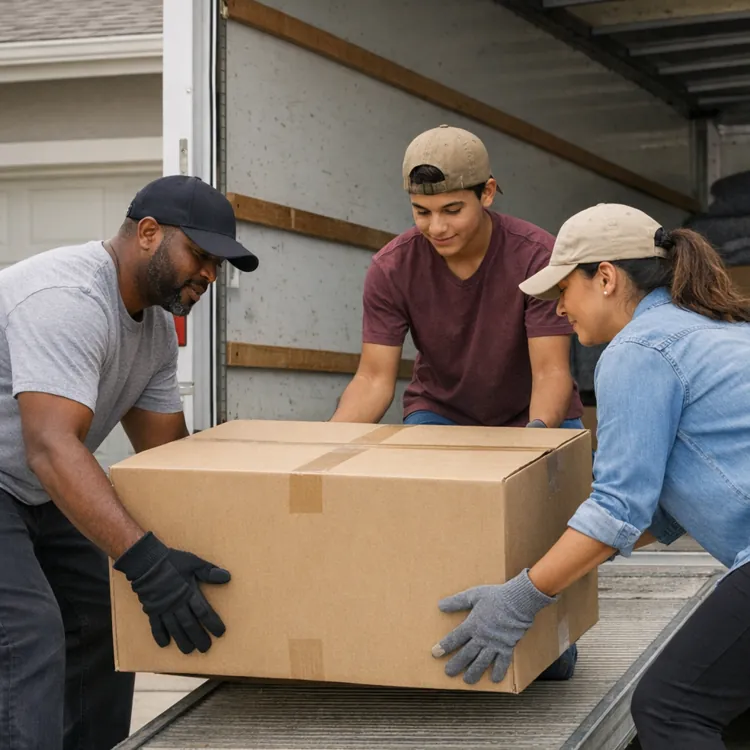
- Use equipment safely: When using ramps or liftgates, ensure you have a firm footing and ask for assistance when needed.
- Load strategically: Place heavy appliances and furniture against the back of the cab first. Distribute the remaining weight evenly to keep the truck balanced.
- Secure the load: Use straps, tie-downs and padding to prevent items from shifting or falling during transit.
- Coordinate logistics: Reserve loading zones and freight elevators at both your origin and destination well in advance.
- Drive defensively: Account for wider turns, longer stopping distances and significantly larger blind spots.
- Park carefully: Seek out spacious parking areas and always use a spotter to help you navigate when backing up.
» LEARN MORE: How to pack a moving truck
FAQ
What are the most common moving injuries?
The most common moving injuries affect the back, neck, shoulders and fingers. Prioritize proper lifting techniques throughout the day to prevent these painful strains and sprains.
How much water should you drink while moving?
Try to drink at least eight ounces of water every 20 minutes, increasing your intake if you are moving in high heat.
Should you hire professional movers or move yourself?
Hiring professional movers is a worthwhile investment if you have a preexisting injury or lack help with heavy lifting. However, if your budget is the primary concern, a DIY move with friends may be your best option.
» KNOW YOUR STATE'S REGULATIONS: How moving permits work
How do you keep kids and pets safe during a move?
It’s best to keep kids and pets clear of the heavy lifting and constant foot traffic to ensure their safety. If possible, arrange for off-site care or a sitter on moving day. Alternatively, set up a designated, "no-go" zone away from moving pathways with plenty of activities, snacks and comfort items to keep them occupied and secure.
» MORE: How to Move Your Pet Overseas
Article sources
ConsumerAffairs writers primarily rely on government data, industry experts and original research from other reputable publications to inform their work. Specific sources for this article include:
- U-Haul International, Inc., "How to Stay Safe on Moving Day: 10 Essential Tips." Accessed March 9, 2026.
- ArcBest Corporation, "How to Lift Boxes to Avoid Injury." Accessed March 9, 2026.
- Movers.com, "All About Sharing Your Relocation on Social Media." Accessed March 9, 2026.
- StretchMed, "How to Do a Dynamic Stretching Warm Up Right." Accessed March 9, 2026.
- Go Mini's, "The Dos and Don'ts of Moving Heavy Furniture." Accessed March 9, 2026.
- Move, Inc., "10 Tips to Prevent Moving Day Injuries." Accessed March 9, 2026.
- Extra Space Storage, "How to Move Heavy Furniture." Accessed March 9, 2026.
- U-Haul International, Inc., "11 Tips For Driving a Moving Truck." Accessed March 9, 2026.
- InterWest Moving, "Four Most Common Moving Injuries." Accessed March 9, 2026.
- Dan The Mover, "Five Tips to Avoid Dehydration During a Summer Move." Accessed March 9, 2026.