

How to use Bubble Wrap for packing
1. Choose the right bubble size
Estimate 30 to 40 feet per room and face bubbles inward for better protection
Different bubble sizes protect different types of items. Matching the bubble size to your specific items ensures adequate protection.
Small Bubble Wrap features bubbles about 3/16 inch (4.8 mm) in diameter. This size works best for lightweight, fragile items like glassware, dishes, ornaments and small electronics. Technology companies often use 1/8-inch bubbles to protect smartphone and tablet screens.
Medium Bubble Wrap has bubbles measuring 5/16 inch (8 mm) in diameter. This size balances cushioning with void filling. Use it for moderately fragile items that need more padding than small bubbles provide. Medium bubbles protect items like TV screens and artwork.
Large Bubble Wrap uses 1/2-inch (12.7 mm) diameter bubbles. Larger bubbles capture more air, creating thicker protective layers around products. This size cushions medium-weight to heavier items that need maximum impact protection.
» RELATED: Top-ranked moving companies
2. Wrap items with bubbles facing inward
For the best protection, you’ll want the Bubble Wrap facing inward with the bubbles touching the fragile items.
Here’s how to wrap your valuables using bubble cushioning material:
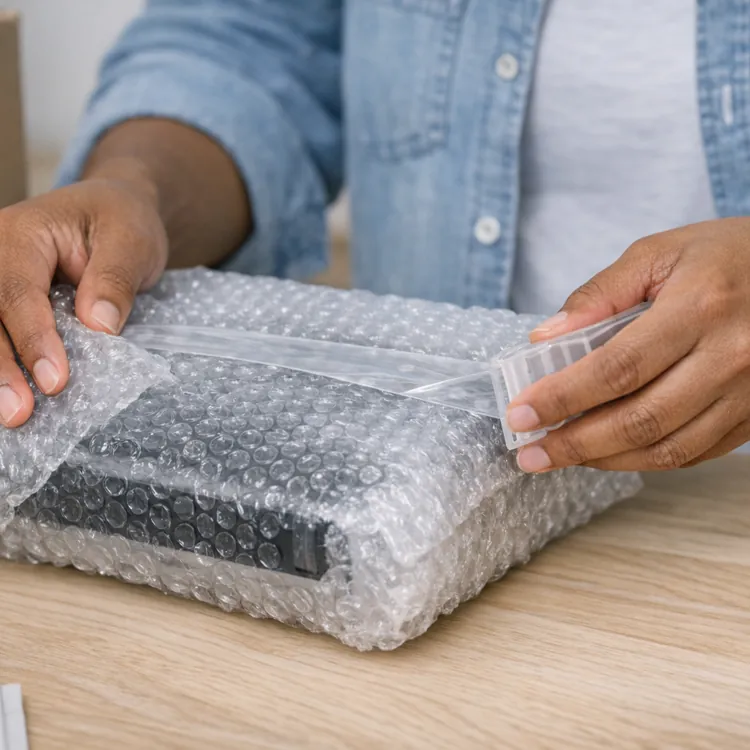
- Clear a flat surface and lay out your Bubble Wrap with the bubbles facing up.
- Place your item on the Bubble Wrap and circle the item multiple times, covering all edges and surfaces. For fragile items, use multiple layers.
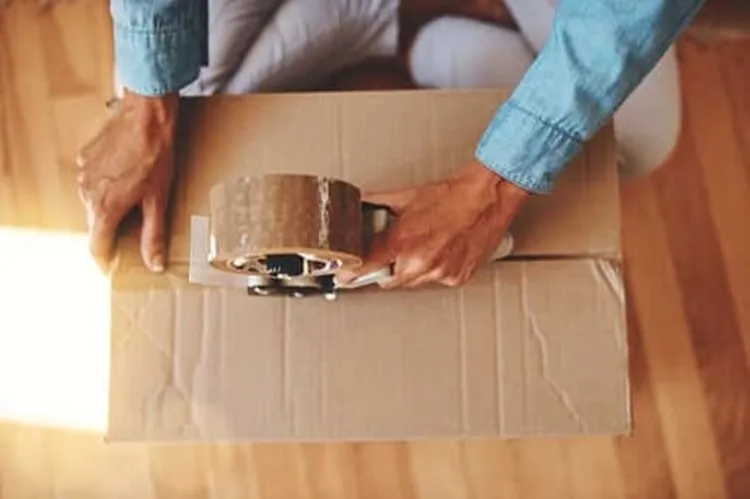
- Secure the Bubble Wrap with packing tape. Apply the tape only to the Bubble Wrap, not directly to the item. This prevents scratching or other damage to the item's surface.
3. Estimate your Bubble Wrap needs
Calculate your Bubble Wrap requirements before you start packing. For example, a 10-meter roll typically covers the contents of one room.
For a three-bedroom home with 10 rooms total, you’ll need approximately 100 meters of Bubble Wrap. This estimate assumes average fragility and quantity of items. Rooms with collections, delicate items or oversized pieces may require additional Bubble Wrap.
Test your packing by gently shaking the box. If you hear items moving inside, add more Bubble Wrap. Items should remain stationary within the box, with Bubble Wrap holding them in place and absorbing any impacts.
» READ MORE: Should you hire professionals or pack yourself?
4. Combine with additional packing materials
Bubble Wrap works best within a comprehensive packing system. Combining it with other materials creates multiple layers of protection.
Fill empty box spaces with packing peanuts or crumpled newspaper. These materials prevent shifting during transport. Then, place cushioning material at the bottom of the box before adding bubble-wrapped items.
Use cardboard dividers between multiple items in the same box. This prevents bubble-wrapped items from pressing against each other. For extremely fragile items, double-box them — place the bubble-wrapped item in a smaller box, then nest that box inside a larger one with cushioning between them.
Use cardboard dividers to separate items within the same box.
Layer for maximum protection
Use multiple layers: wrap items, fill voids, add dividers and double-box when needed. Heavier or sharp items need extra padding and sturdier boxes.
When to use (and avoid) Bubble Wrap
Bubble Wrap won’t work for every item. It tends to work best for:
- China and ceramics
- Glasses and stemware
- Vases made from ceramic, porcelain or glass
- Electronics like laptops, televisions and cell phones
- Glass shelves and tabletops that scratch easily
- Mirrors, paintings and picture frames
Bubble Wrap protects these items by absorbing impacts and distributing pressure.
However, avoid standard Bubble Wrap for heavy items like books or tools that might puncture the bubbles. Instead, use moving blankets or foam padding. Sharp objects can also pierce Bubble Wrap, so wrap them in cardboard first.
Temperature-sensitive items may not be suitable for standard Bubble Wrap, as plastic can trap heat. Electronic items in particular require anti-static Bubble Wrap to prevent electrical damage. Items requiring climate control, such as medications, need specialized, insulated packaging.
FAQ
What is the correct way to use Bubble Wrap?
Face the bubbles toward the item you're protecting. Place your item on Bubble Wrap with bubbles facing up, wrap multiple times covering all surfaces and secure with tape.
Do bubbles go on the inside or outside of Bubble Wrap?
To best protect your items, place the bubbles facing inward. This also reduces bubble popping during the move.
How much Bubble Wrap do I need for packing?
Plan on using about 30 to 40 feet of Bubble Wrap for each room. If you have lots of fragile items or a valuable collection you’re trying to protect, you’ll want to plan for more than that.
How do I secure Bubble Wrap around an item?
After wrapping completely, use packing tape along seams and edges to keep the wrap tight against the item. Apply tape only to the Bubble Wrap material, never directly to the item.
Article sources
ConsumerAffairs writers primarily rely on government data, industry experts and original research from other reputable publications to inform their work. Specific sources for this article include:
- The Packaging Company, “The 3 Sizes of Bubble Cushion You Need to Know.” Accessed Feb. 6, 2026