

Tips for moving a heavy wood stove
Handling a wood stove move calls for more than just muscle. A few smart steps can make the process far more manageable, from prepping the stove to choosing proper equipment and lifting strategies. The tips below will help you navigate moving a heavy wood stove with less risk and fewer headaches.
1. Prepare your wood stove for moving
Proper preparation is key — here’s how you can prep the stove for moving:
- Clear the intended move path of any obstacles.
- Walk the entire route and remove anything blocking the pathway, whether you're moving the stove to another room or transporting it to a new location.
- Disconnect the stove from its chimney system.
- Remove the stove pipes slowly and carefully, ensuring they have cooled completely if the stove was recently used.
- Reduce the stove's weight by removing detachable elements, like fire bricks. Fire bricks are designed for removal and can significantly lighten the load.
- Pull out damaged or cracked bricks gently.
- Use a small wire brush to clean ash or broken brick pieces from the area.
Removing these components makes the stove easier to handle and reduces safety hazards.
2. Gather essential tools and equipment
A furniture dolly makes moving heavy items like wood stoves much easier. Heavy-duty furniture dollies can cost between $15 and $40.
Remove fire bricks to reduce weight before lifting.
You also need:
- Moving straps or rope to secure the stove to the four-wheel dolly
- Furniture blankets to protect the wood burner during transport and prevent property damage
- Plywood sheets to protect floors and create a smooth dolly path
- Work gloves to protect your hands and maintain grip
» RELATED: How to pack for a move
3. Recruit helpers for the move
Recruit at least three people to safely move a medium or large-sized wood-burning stove — you cannot move a wood stove alone.
Ensure everyone understands their role before beginning. Assign specific tasks to each person, such as lifting, guiding and sliding. Clear communication prevents accidents and injuries.
» MORE: How to hire movers
4. Protect your floors and clear the path
Clear the path completely before moving the stove. Rearrange furniture, roll up area rugs and remove doors from hinges if necessary. Keep pets and children away from the moving path.
Lay plywood sheets on your floors to prevent scratches. The plywood creates a smooth surface that allows you to slide the stove to its new position without damaging your flooring.
5. Wrap and secure the stove
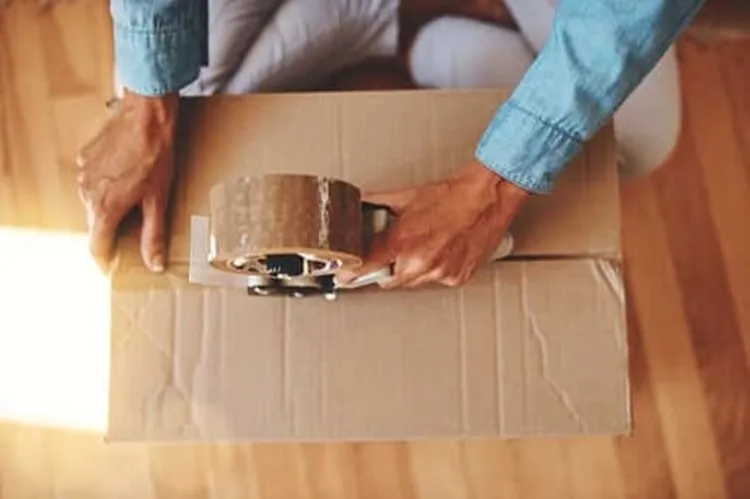
Wrap the wood stove completely in blankets and secure them with packing tape to protect both the stove and your walls from damage. Ensure the blankets are fastened tightly and won't come loose during transport.
6. Load the stove onto the dolly
Next, you’ll want to load the stove onto the dolly. Here’s how to do it correctly:
- Position the furniture dolly next to the stove.
- Tilt the stove slightly backward and wedge the dolly underneath.
- Balance the load evenly before securing.
- Attach the stove to the dolly using heavy ratchet straps. The straps should be tight enough that the stove and dolly move as one unit.
- Have two people on each side and lift using proper lifting techniques: bend your knees, keep your back straight and lift with your legs.
7. Move the stove carefully
Designate one helper to direct movement and another as a spotter while you push the dolly. Move slowly over the plywood sheets and be sure to stop for breaks as needed.
Your helpers need to keep the dolly balanced throughout the move. This is where it’s important to maintain constant verbal communication. It’s a good idea to establish hand signals for dangerous situations beforehand.
Stairs pose another safety risk, so exercise extreme caution when moving a stove up or down stairs. Consider renting a powered stair-climbing dolly for multi-level moves. These specialized tools make stair navigation significantly safer than standard dollies.
Safety considerations and common challenges
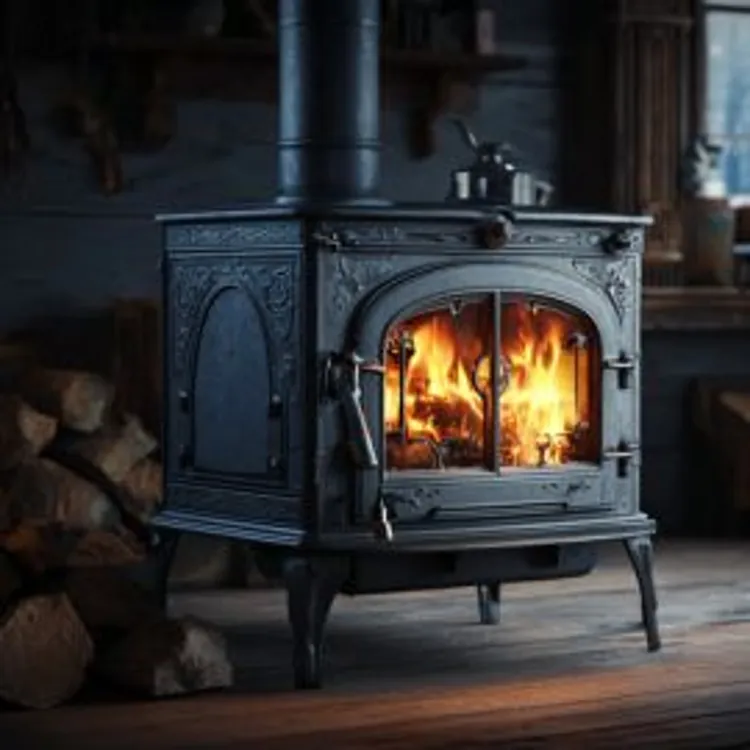
Wood stoves present two main challenges: extreme weight and bulky dimensions. For instance, cast iron wood stoves can reach 40 inches in height, 33 inches in width and 25 inches in depth. These dimensions make them difficult for non-professionals to handle safely.
The primary safety risks include back injuries from improper lifting, crushed fingers or toes from dropped stoves and damage to floors or walls. Professional movers have the equipment and experience to minimize these risks.
Moving a stove between floors is significantly more dangerous than moving it within the same level. Stairwells rarely accommodate three or four people and a bulky stove comfortably. If anyone loses grip or balance, multiple people risk serious injury. Tight doorways and corners can present similar challenges.
Building temporary ramps can help overcome steps and uneven surfaces. Some movers place 2x12 boards from truck beds over steps, creating a smooth incline. Old carpeting placed upside down on floors provides additional protection.
Hiring professional movers vs. DIY
Professional movers have specialized equipment and insurance coverage that DIY movers lack. Like pianos and safes, wood stoves require expertise to move safely. The cost of professional help often proves less than potential medical bills or property damage from DIY attempts.
Moving a stove to a different house requires loading it onto a dolly, wheeling it outside, lifting it into a truck, transporting it and unloading at the destination. Loading ramps and truck securing require experience that most homeowners don't possess.
The safest way to move a wood stove is by hiring professional movers.
When to hire movers
Consider hiring professionals when:
- You need to navigate stairs between floors.
- The stove weighs over 500 pounds.
- You're moving long distances.
- You lack three or more helpers.
It’s safer, faster and often cheaper to hire movers than risking injuries or damage to do it yourself.
Professional movers bring stair-climbing dollies, lifting straps and proper trucks. They also carry insurance that covers damage during the move. Their experience reduces move time and eliminates most safety risks.
FAQ
What is the 3-2-10 rule for wood stoves?
The 3-2-10 rule for wood stoves states that a chimney must project at least 3 feet above the roof on its shortest side and be at least 2 feet above any roof structure within a 10-foot radius. Following this rule ensures other roof structures don't interfere with combustion gas exhaustion.
Can you move a stove by yourself?
No. Wood stoves can weigh up to 800 pounds, compared to a refrigerator's 300 pounds. You need at least three additional helpers and proper equipment to move a wood stove safely. Attempting solo moves risks serious injury.
How much does it cost to move a wood stove?
Professional movers can charge between $25 and $50 per hour per mover. Most wood stove moves require at least two movers and take two to four hours. Total costs range from $100 to $400, depending on move complexity and location.
How much does a wood stove weigh?
Most wood stoves weigh between 300 and 800 pounds. The weight comes from cast iron or steel construction materials. Exact weight depends on the model, size and specific materials used.