

When to buy a home warranty
You can buy a home warranty at almost any time, but the most common times are during the homebuying process or soon after moving into a new home. This timing helps new homeowners manage the costs of unexpected repairs and replacements in their new property. Here’s a closer look at when you might consider buying a home warranty.
During the homebuying process
Many homebuyers choose to purchase a home warranty as part of the real estate transaction. Buyers may decide to purchase a home warranty upfront when they close on their home. Some home warranty companies may offer discounts for new homeowners who purchase a plan at or shortly after closing.
Sometimes, sellers offer a home warranty as part of the sale to make the deal more attractive or as a concession before closing. In this case, the seller pays for the cost of the home warranty plan. A home warranty can also protect the seller from post-sale disputes if something breaks soon after the new owner moves in.
After purchasing a home
If you didn’t get a home warranty during the buying process, you can still purchase one after you move in. This can be a smart move, especially if you're moving into an older home with aging appliances and systems that may break down at any moment.
Even if you’ve been in your home for a while, you can buy a home warranty at any time. It’s a good idea if you notice your appliances or home systems are getting old and might soon need repairs or replacements.
When selling a home
Buying a warranty could be a good strategy to attract buyers if you plan to sell your home. It offers them protection after purchasing and can make your home stand out in a competitive market.
Renewal time
If you already have a home warranty, you’ll have the option to renew it each year. Renewal time is also a great time to shop around if you’re less than happy with your current home warranty company. You may be able to lower your home warranty costs while increasing your coverage. However, keep in mind that if your current warranty plan expires, you could experience a coverage gap or a waiting period before you can make claims again.
When does coverage begin on a home warranty?
Home warranty coverage may not actually begin the same day you sign up or make your first payment. Many home warranty companies require a waiting period (typically 30 days) from enrollment before your coverage begins. Companies do this to prevent people from enrolling in a plan to receive immediate coverage on a pre-existing issue.
Once your coverage effective date has passed, you can begin making claims for covered appliances or home systems. Before signing a home warranty contract, make note of the coverage effective date so you know when your coverage is active.
Who should buy a home warranty?
Buying a home warranty is a good idea if you are buying or selling your home or have an older house. Home warranties are helpful for new homebuyers who don’t know the maintenance history of their systems and appliances. Sellers might also consider purchasing a home warranty plan to protect their home while it is still on the market to make it look more attractive to buyers.
Eligibility requirements for a home warranty claim
Home warranty companies sometimes require a home inspection before coverage starts. The home inspection requirement evaluates your home’s condition and notes any pre-existing issues. While some companies may still cover known issues, others may not approve claims for pre-existing conditions.
Additionally, home warranty companies likely won’t approve claims for damage due to natural disasters, neglect, improper installation or unauthorized repairs. Keeping detailed maintenance records can increase the chances of your claims getting approved.
What does a home warranty typically cover?
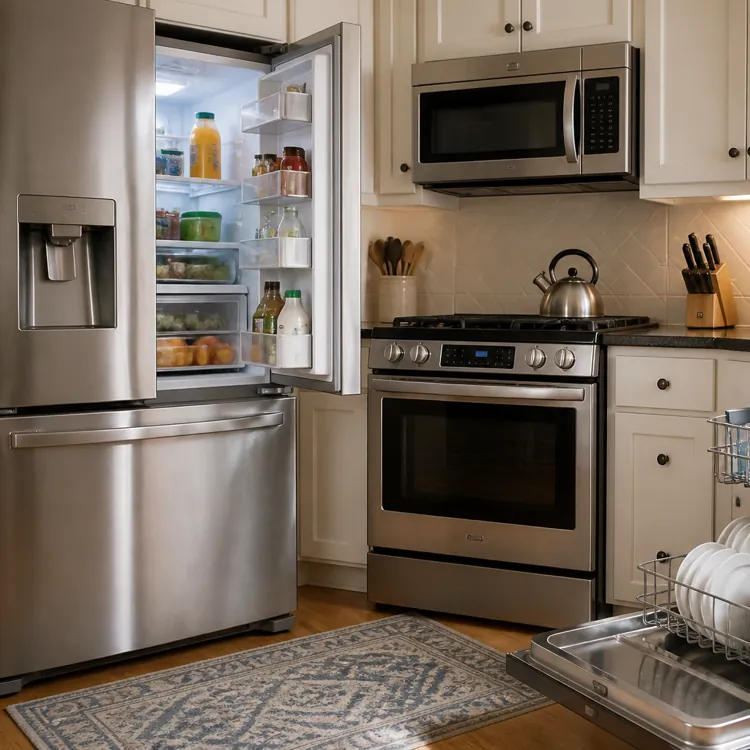
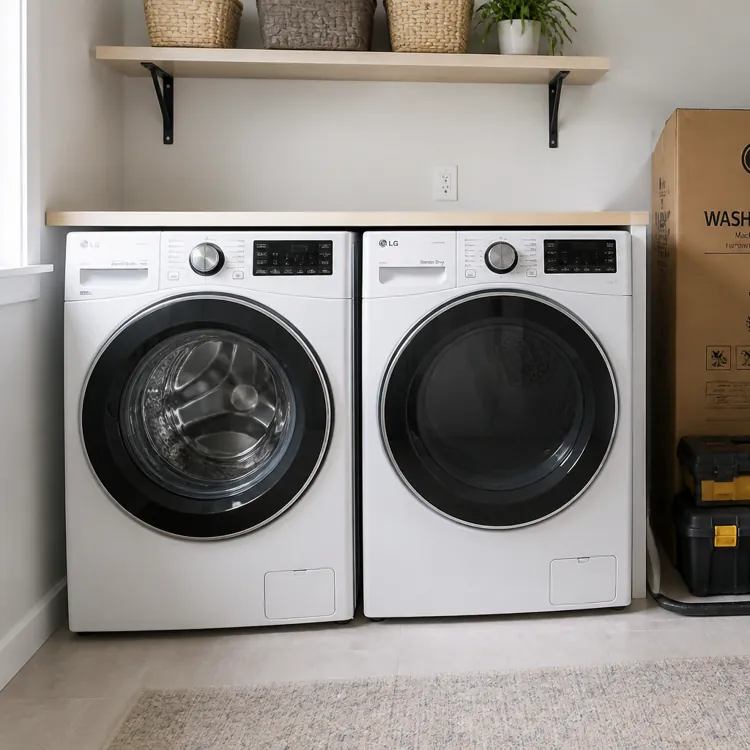
Home warranty plans are very comprehensive, so you can tailor your plan to fit your lifestyle and your home's specific needs. Home warranties typically cover a broad range of appliances like dishwashers, trash compactors, refrigerators, ovens and microwaves. They also usually take care of major systems, including your plumbing, septic systems, HVAC and electrical setup.
Here are some of the items commonly covered by home warranties:
- Refrigerators
- Ovens, ranges and cooktops
- Dishwashers
- Built-in microwaves
- Washers and dryers
- Electrical systems
- Garbage disposals
- Attic and exhaust fans
- Water heaters
- Central air conditioning
- Heating systems
- Stoppages
- Septic systems
- Plumbing features
- Ductwork
- Exterior water and sewer lines
- Garage door openers
- Roof leak repair
- Ceiling fans
- Sump pumps
Home warranty cost
The cost of a home warranty varies based on the provider, your location, the type of coverage you choose and the size and age of your home. On average, homeowners can expect to pay between $350 and $900 annually for a standard plan. More comprehensive plans or those covering additional items can cost $1,200 or more per year. In addition to the annual or monthly premium, you’ll typically pay a service fee for each claim, which usually ranges from $50 to $150.
Home warranty pros and cons
Like any financial product, a home warranty has both advantages and drawbacks. Understanding the pros and cons can help you decide whether a home warranty is a good fit for your needs and circumstances.
Pros
- Peace of mind that major appliances and systems are covered
- Budget protection from costly and unexpected repairs
- Convenient access to a network of service professionals
- Can add value when buying or selling a home
Cons
- Coverage limits and exclusions may apply
- Service fees required for each repair visit
- You may not be able to choose your own contractor
- Denied claims if maintenance requirements aren't met or documentation isn’t provided
FAQ
How long does a home warranty last?
Home warranties generally last for 12 months from the date you sign the contract. From there, you can choose to renew your contract or switch to a different company.
How do you buy a home warranty?
With most home warranty companies, you’ll need to contact them for a quote tailored to your needs. Some companies let you purchase a home warranty on their website. After you sign up for a plan, you’ll likely have a waiting period before your coverage begins. Waiting periods are provider-specific, but usually last about 30 days.
How long after buying a home can you get a warranty?
You can buy a home warranty any time after you purchase a home. It’s best to do it right away if you have older appliances and systems that may need repairs soon.
Are home inspections required?
Some home warranty companies require a home inspection to ensure there are no pre-existing conditions before they will provide coverage. However, not all companies require an inspection before signing up for a policy.
A home inspection provides insight into what future maintenance and repairs your appliances and systems will most likely need. If the inspection report lists any problems that the original owner didn’t fix before you moved in, you won’t be able to claim it on your home warranty plan. However, if the seller does repair the problem, typically, you will be able to receive coverage at any time after.
Are home warranties transferable?
Yes, most home warranty plans can be transferred from the home seller to the buyer. Sellers and realtors sometimes buy a home warranty to make their home more appealing on the market, so transferring a home warranty is fairly common.
What’s the difference between a home warranty and home insurance?
A home warranty covers the repair or replacement of major appliances and home systems due to wear and tear. Home insurance, on the other hand, protects against damage from unexpected events like fires, storms or theft. While a warranty helps with maintenance issues, insurance covers catastrophic damage.
Bottom line
Purchasing a home warranty can be a proactive step toward managing your home maintenance costs effectively, regardless of the stage of homeownership you’re in. While any time is a good time to buy a home warranty, most homeowners will find them the most useful when they have older appliances and systems or have just purchased a home.
Article sources
ConsumerAffairs writers primarily rely on government data, industry experts and original research from other reputable publications to inform their work. Specific sources for this article include:
- Federal Trade Commission, “Warranties for New Homes.” Accessed June 3, 2026.
- Cinch Home Services, “When Can You Buy a Home Warranty?” Accessed June 3, 2026.
- Liberty Home Guard, “How to Convert Home Warranty Coverage from Seller to Buyer.” Accessed June 3, 2026.
- Consumer Voice, “How Home Warranties Work: What’s Covered and What Isn’t.” Accessed June 3, 2026.