


Key insights
Homebuilders warranties protect against costs of repairs for incorrect work or defective materials in new homes.
Jump to insightThese warranties cover a wide range of items, including structural defects, exterior components, home systems and workmanship.
Jump to insightCoverage duration varies: one year for workmanship and materials, two years for major systems, and 10 years for structural defects.
Jump to insightBuilders warranties differ from home warranties; the former cover contractor-specific work and materials, and the latter cover systems and appliances beyond the manufacturer's warranties.
Jump to insightHomebuilders warranty explained
A warranty offered by a homebuilder protects you from paying repairs costs for work that wasn’t done correctly or for defective materials. Most newly constructed homes come with a new home warranty that the builder funds themselves or through a third-party warranty company. The builder might incorporate the cost into the price of the home, but you won’t have any monthly costs.
» LEARN MORE: Home warranties for new construction
What does a builders warranty cover?
The list of items a homebuilders warranty covers is extensive. Here’s a quick overview:
| Duration | Coverage type | What’s covered |
|---|---|---|
| 1 year | Workmanship and materials | Improper window installation, drywall cracks, flooring defects, trim issues, etc. |
| 2 years | Major systems | HVAC systems, plumbing, electrical wiring, ductwork |
| 10 years | Structural defects | Foundation issues, load-bearing walls, roof framing, floor systems |
A foundation repair can cost up to $25,000.
Policies differ, but general coverage includes:
- Major structural defects: Components that affect the safety of the home, like load-bearing walls, roof framing, masonry arches, columns and floor systems, are usually included. The warranty also covers the foundation. Structural warranties are one of the most important to have, because the elements they cover are the most expensive to fix and can create an unsafe living environment when in bad condition.
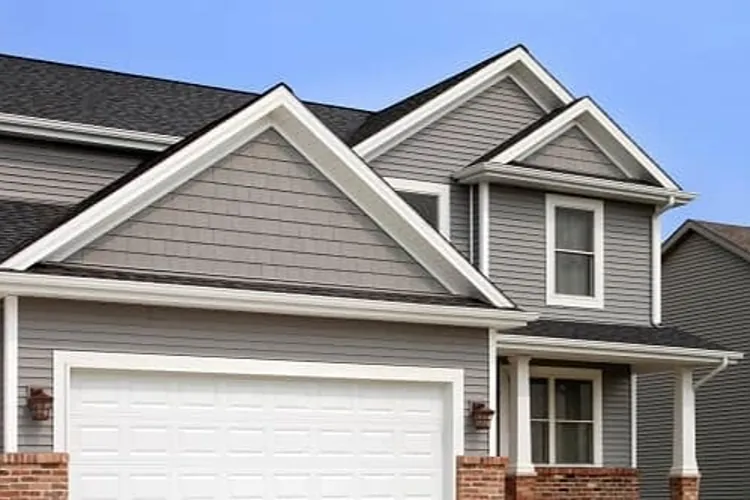
- Exterior components: The warranty covers many items on the exterior of the house, like siding, shingle roofing, windows, garage doors and sometimes paint.
- Home systems: The major systems in your home are likely covered, including HVAC units, ductwork, plumbing and the electrical system.
- Workmanship: If the workmanship in the construction of the home is below industry standards, the warranty might cover defects. For example, if the builder installs windows incorrectly and they let in moisture, the workmanship part of your homebuilders warranty should cover replacement.
Additional items covered by a new-construction warranty include:
- Windows
- Doors
- Trim
- Floors
- Drywall
- Glass
- Septic system
- Landscaping
- Carpentry
- Insulation
Every warranty is different, and your builder will give you a detailed list of what's covered and how long the coverage lasts.
What does a builders warranty not cover?
New-construction warranties cover much of the house, but there are exclusions. Homebuilders warranties will not cover:
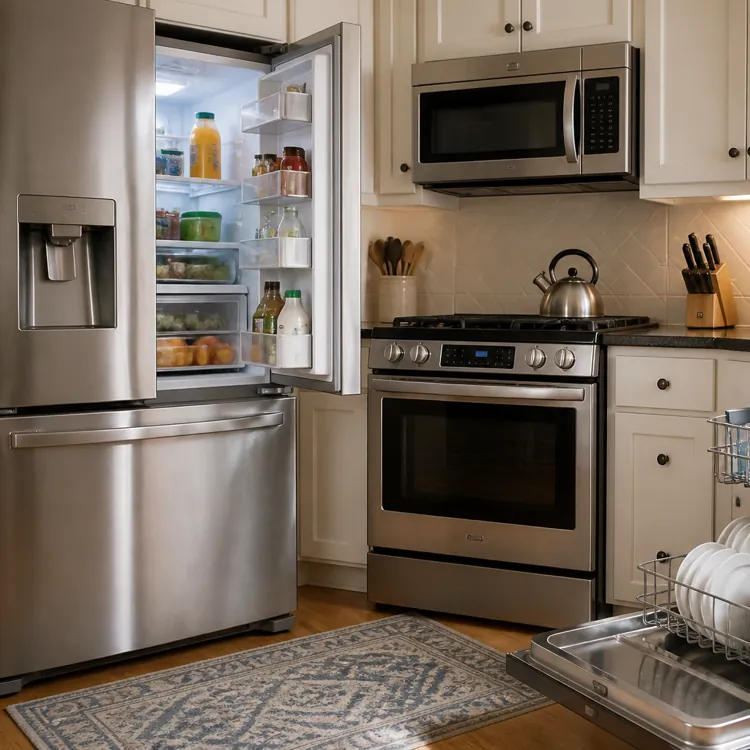
- Home appliances
- Normal wear and tear
- Anything covered by a manufacturer’s warranty
- Damage resulting from homeowner neglect
- Weather-related damages
- Work done by an outside contractor or the homeowner
- Shrinkage and expansion of the home
- Monetary expenses lost due to the defect, like living out of the home during repairs
The contract will detail items not included and any stipulations. Be sure to read over the language carefully so you know what’s covered and what’s not.
How long does a new-construction warranty last?
The amount of time a new-construction warranty lasts depends on the contract and usually varies for different components.
Here are examples of common timelines for warranty coverage:
- One year of limited warranty coverage on workmanship, materials and other components not covered by a manufacturer warranty
- Two years of limited warranty coverage on major systems like HVAC, plumbing and electrical
- 10 years of limited warranty coverage for major structural defects like foundation problems
Homebuilders warranties are considered limited because of certain common stipulations, like no coverage for damage due to homeowner neglect or weather.
Filing a claim with a homebuilders warranty
If you discover a defect or issue covered by your homebuilders warranty, the claims process generally follows these steps:
- Document the issue: Take detailed notes and photographs of the defect. Note the date when you first noticed the problem and keep any related receipts or records.
- Review your warranty: Double-check your warranty documents to confirm the issue is covered and to find any instructions about filing a claim.
- Notify the builder or warranty provider: Contact your builder or the third-party warranty company promptly. Provide written notice of the problem, including all relevant documentation.
- Schedule an inspection: The builder or warranty provider will often schedule an inspection to verify the issue and assess the damage.
- Approval or denial: If the claim is approved, the builder or designated contractor will complete the repair. If it is denied, the homeowner can dispute the decision.
If your claim is disputed, here’s how it’s generally handled.
- Mediation: A neutral third party helps both sides discuss the claim and try to reach a mutual agreement.
- Arbitration: If mediation fails, arbitration is typically required by the warranty. An arbitrator hears both sides and makes a binding decision.
- Litigation: Rarely, and usually only if arbitration is not mandated, a homeowner may take the case to court. This option is typically more time-consuming and expensive.
It's important to follow all timelines and procedures outlined in your warranty agreement when filing a claim or dispute.
Your rights under a homebuilders warranty
Understanding your rights can help you advocate for repairs and hold your builder accountable when issues arise. Even if they are not explicitly written into your contract, most states recognize certain implied warranties in new construction.
These typically include habitability, meaning the home must be safe to live in and meet basic living standards such as structural integrity, weatherproofing and functioning essential systems, and workmanship, meaning construction should meet reasonable industry standards and be free from defects caused by poor installation or substandard work.
State laws often also provide additional protections beyond the written warranty. These may include minimum coverage periods, required disclosures and consumer protections against unfair practices. In some cases, homeowners may be able to take legal action if a builder fails to address covered defects. Because laws vary by state, it’s important to review local requirements or consult a real estate attorney if you’re unsure about your rights.
Builders are generally expected to honor the terms of the written warranty, address covered defects within a reasonable time frame, perform repairs using qualified professionals and follow local building codes and regulations. If they fail to meet these obligations, it may lead to disputes or legal action.
If a builder does not resolve a valid claim, you may need to escalate the issue. Start by documenting the problem and communicating in writing. From there, you can request mediation if it’s available, move to arbitration if it’s required by the warranty and consider legal action if other options fail and your agreement allows it. Escalation is usually a last resort, but it may be necessary if the builder does not fulfill their responsibilities.
Builders home warranty vs. a typical homeowners warranty
A builders home warranty is different from a typical homeowners warranty because it's included by the builder. Homeowners obtain a traditional home warranty via a seller or by contacting a warranty company and paying a monthly fee and a service fee when repairs are necessary.
| Homebuilders warranty | Third-party home warranty | |
|---|---|---|
| Who provides it | Homebuilder or builder-backed company | Independent warranty company |
| Cost | Typically included in home price | Monthly or annual premium plus service fees |
| Coverage focus | Workmanship, materials and structural components | Systems and appliances that fail from wear and tear |
| Coverage timeline | Limited (1, 2 and 10-year tiers) | Renewable annually as long as you maintain the plan |
There are other differences between a builders warranty and a typical home warranty.
- Warranty vs. service contract: A homebuilders warranty is more like a traditional warranty, covering work or materials specifically completed by or used by the contractor in the building of the home. A home warranty is more like a service contract. It generally covers systems and appliances that break down from normal wear and tear and are no longer under manufacturer warranty.
- Flexibility: A homebuilders warranty has very specific terms and no options for customization. With a home warranty contract, you can personalize a plan’s coverage, service call fee amount and other details.
» COMPARE: Home warranty vs. home insurance
Pros and cons of a builders warranty
Homebuilders warranties have advantages and disadvantages for owners of newly constructed and newly remodeled properties.
Pros
- No cost to you
- Coverage of expensive repairs
Cons
- Coverage restrictions
- Excluded items
- Limited coverage time
FAQ
Can I have a builders warranty and a homeowners warranty at the same time?
Yes, you can have both types of warranties. In fact, some builders offer both types of policies. Though some coverages may overlap, having both types of policies means you’re covered for both structural problems and breakdowns of appliances and systems. If you are unsure about which policy covers an issue, contact both warranty companies for more information.
What can void a homebuilders warranty?
Several actions or conditions can void a homebuilders warranty. These include:
- Failing to perform regular maintenance on the home, such as clearing gutters or sealing cracks
- Making unauthorized modifications or repairs without the builder’s approval
- Hiring an outside contractor to perform work that conflicts with or alters the builder’s original construction
- Causing damage through neglect or misuse
- Not addressing or reporting issues in a timely manner according to the warranty terms
Always refer to your warranty documentation to understand what behaviors or changes may void your coverage.
What is the 1-2-10 home warranty rule?
The 1-2-10 rule refers to the standard coverage timeline many homebuilders warranties follow. It typically includes one year of coverage for workmanship and materials, two years for major systems like plumbing, electrical and HVAC, and 10 years for structural defects that affect the safety and stability of the home.
Are builders legally required to provide a warranty?
Builders are not always legally required to provide a written warranty, and requirements vary by state. However, many builders include one as part of the home purchase. Even when a written warranty is not provided, implied warranties may still apply under state law to protect homeowners.
What is an implied warranty on a new home?
An implied warranty is a legal protection that exists even if it is not written in the contract. In new construction, this often includes warranties of habitability and workmanship, meaning the home must be safe to live in and built to reasonable industry standards. These protections vary by state but generally ensure a minimum level of quality.
Can you sue a builder for defects after the warranty expires?
In some cases, you may still be able to take legal action after a warranty expires, depending on state laws and statutes of limitations or repose. These laws set time limits on how long you have to file a claim. If defects are serious or were hidden, you may have legal options even after the warranty period ends. Consulting a real estate attorney can help clarify your options.
Is a homebuilders warranty worth it?
A homebuilders warranty is usually worth it because it protects against costly structural and construction defects during the first years of homeownership. Since the warranty is typically included in the purchase price, it offers added peace of mind without ongoing monthly costs.
However, coverage is limited in scope and duration, and not all issues are included. Homeowners are still responsible for maintenance, appliances and damage caused by neglect or external factors. Because of these limitations, it’s important to review the warranty terms carefully so you understand what is and isn’t covered.
For many homeowners, a builders warranty is a valuable safety net during the first years in a new home.
Remember that a home warranty — separate from a builders warranty — may also come in handy for home appliances and systems once they are no longer covered by the builder or manufacturer.
» COMPARE: Best home warranty companies