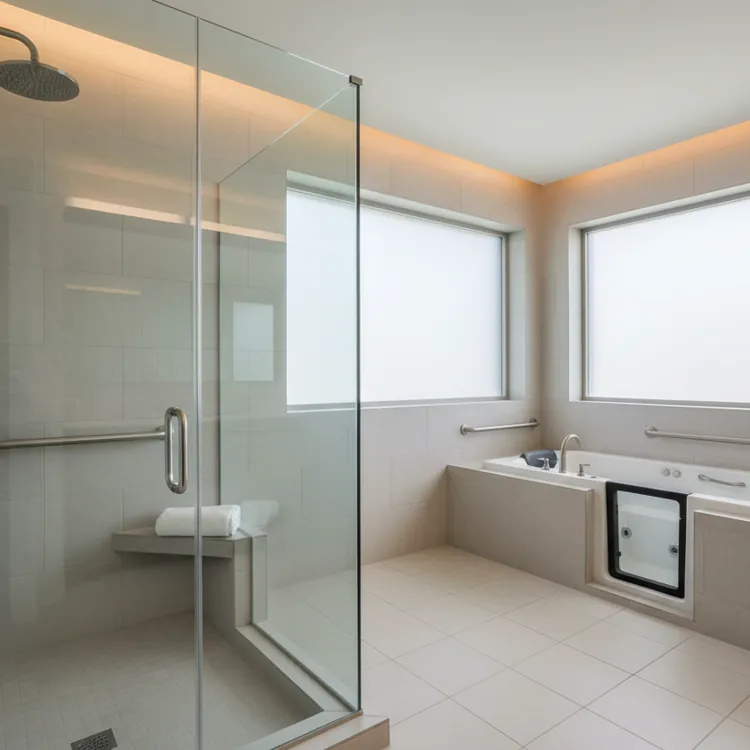



Walk-in tub warranty basics
A warranty helps protect your investment by covering component failures and manufacturing defects. A typical walk-in tub warranty covers the main tub shell, door seals, and mechanical components such as pumps and heaters.
However, each component might have different coverage terms. For instance, American Standard offers a 15-year warranty on the tub, a 10-year warranty on the components and a lifetime warranty on the door seal.
Standard limited warranties have clear end dates (usually five to 15 years from installation) and cover specific components. A lifetime warranty means the tub is covered for the time you live at your residence. It doesn’t mean it lasts forever, and may not even last for the life of the tub. Some manufacturers define “lifetime” as a set number of years, such as 50.
What warranties usually exclude
As with other warranty types, most walk-in tub warranties exclude damage from normal wear and tear, and homeowner neglect. Surface scratches, chips and discoloration from abrasive cleaning products are usually not covered.
Some warranties exclude coverage if the tub is used commercially or installed in a rental property. Natural disasters such as floods or earthquakes, or power surges, usually aren't covered unless you have separate insurance protection.
While many warranties exclude damage caused by improper installation, some brands, such as Re-Bath, cover installation under a separate warranty.
Walk-in tub warranty coverage details
Walk-in tub warranties usually cover manufacturer and structural defects, as well as the premature wear of covered components.
The tub shell receives the longest warranty coverage, typically 10 to 15 years or lifetime protection. The shell is the most expensive component to replace, and it can protect against cracks, chips and finish deterioration that happen with normal use.
Coverage for mechanical systems such as hydrotherapy jets, air blowers, water pumps and inline heaters is usually five to 10 years. These walk-in tub features wear down over time. Faucets and fixtures may be covered under separate warranties, and they often carry five-year terms.
Parts, labor and in-home service
Parts coverage and labor coverage often have different terms. For example, you might receive a free replacement pump, but you’ll have to pay a technician separately to install it. Labor coverage typically lasts fewer than five years, while parts can be covered for the full warranty term.
In-home service can vary among manufacturers. Premium brands may include lifetime service calls for covered repairs, for example, while budget manufacturers might provide warranties for parts only.
The complexity of walk-in tub systems often requires professional service, and you can expect to pay a minimum service fee between $100 and $200. When purchasing your walk-in tub, see if extended labor coverage is available.
Installation labor coverage can vary significantly by manufacturer and installer, ranging from one year to lifetime terms.
Walk-in tub warranty fine print
You should read your walk-in tub warranty carefully, even if it seems tedious. It’s important that you understand the limits of your warranty, as well as what you need to file a claim if there’s an issue.
Authorized installer requirements
To remain valid, many walk-in tub warranties require installation by manufacturer-certified technicians. Violating this can immediately void your warranty coverage. Manufacturer certification ensures that installers understand proper procedures for the tub’s specific model. Installing the tub yourself or hiring unlicensed contractors might save you money initially, but it could end up costing you thousands of dollars later.
Installers should follow the walk-in tub company’s specifications, including the correct plumbing connections, electrical work and structural support. They also must obtain any necessary permits and pass local inspections before warranty coverage begins.
Original owner and transfer rules
Walk-in tub warranties usually apply only to the original buyer and end when the home is sold or the owner dies, regardless of how much time remains on the warranty.
Some manufacturers may allow warranty transfer under certain conditions, however. Re-Bath, for example, offers a one-time warranty transfer within the first year of installation.
Warranty coverage necessitates that the tub remain in your primary home. It typically excludes rental properties and vacation homes because rental properties can have higher usage and have the potential of misuse by occupants. Vacation homes may go unoccupied for long periods of time, which could cause maintenance concerns.
Service calls and claim deadlines
You should document regular cleaning, proper cleaning chemical use and annual inspections to help maintain warranty validity.
Most warranties require written notice of issues or defects within 30 or 60 days of you discovering the issue. You may need to file a claim within a set amount of time, depending on the manufacturer.
Service calls usually need advanced notice of a week or two, and you might be charged for weekend appointments or rush service.
Critical warranty clauses to review
Before purchasing a walk-in tub, review warranty clauses, including:
- Installation requirements
- Transfer restrictions
- Maintenance obligations
- Claim deadlines
- Geographic limitations
- Exclusions for rental properties or vacation home use
Walk-in tub warranty claims process
You should document any defects as soon as you discover them. Take photos and write a detailed description of the issue before you contact the manufacturer about your warranty coverage.
Check your warranty to verify that the issue is a covered defect, and contact the warranty department within 30 days of discovering the problem. Delays can complicate the claims process or even void your coverage.
Manufacturer's warranty claims require you to provide the original sales receipts with the purchase date and model number. You may also need to show:
- Authorized installation records
- Permits and inspection approvals
- Proof of residence showing the tub is in your primary home
- Maintenance records
- Receipts from regular cleaning and required annual inspections
Claim review and inspection process
Companies usually require in-person inspections for larger dollar claims. If you need to schedule an inspection, do so as soon as possible, because delays can slow the claims process. The inspector will determine whether the problem is due to a manufacturer's defect, normal wear and tear or improper use that would void the warranty coverage.
If your claim is denied but you believe the issue should be covered according to your warranty terms, you can file a dispute. Keep in mind that filing a dispute can extend the process by several weeks; manufacturers will review additional documentation or may request second opinions from contracted technicians. Depending on the issue, you may not be able to use your walk-in tub during that time.
If your claim is approved, work is usually completed within weeks, depending on the availability of parts and technicians. The manufacturer may ship replacement parts directly to your home if the repair is simple. More complicated work will require a licensed technician to come to your home. Be sure to save all warranty repair records, as they could affect future claims.
Steps for filing warranty claims
Follow these steps to ensure your warranty claim processing is as smooth as possible.
- Document the problem: Take photos and write a detailed description immediately upon discovering an issue.
- Review warranty terms: Confirm that the issue qualifies for coverage and you've met maintenance obligations.
- Gather required documents: Collect purchase receipts, installation certificates and maintenance records.
- Contact the manufacturer: File a written claim within the required notification deadline.
- Schedule an inspection: If required, arrange a manufacturer inspection visit.
- Await approval decision: Allow several weeks for manufacturer review after the inspection.
- Complete warranty service: Schedule authorized repairs and document completion for your records.
FAQ
How long do walk-in tubs last?
Walk-in tubs typically last between 15 and 20 years, as long as they are properly cared for and maintained. Some higher-end tubs may last longer.
Will my insurance cover a walk-in tub?
No, walk-in tubs are usually not covered by standard homeowners' insurance or medical insurance, unless the tub is considered medically necessary and you have documentation from a healthcare provider. Check with your insurance company about specific coverage requirements.
Are walk-in tub warranties transferable to new homeowners?
No, walk-in tub warranties are not transferable to new homeowners. They typically end when you sell your home. Some manufacturers may offer a one-time transferable warranty within a certain time frame after installation.
What voids a walk-in tub warranty?
Some factors that can void a walk-in tub warranty include improper installation, using harsh chemicals, unauthorized modifications to the tub or using the tub in a rental or vacation property.
Article sources
ConsumerAffairs writers primarily rely on government data, industry experts and original research from other reputable publications to inform their work. Specific sources for this article include:
- Northwestern Mutual. “Planning & Progress Study 2025.“ Accessed March 26, 2026.