


Our 4 picks for home warranties for older homes
| Company | Customer rating | Our pick for | Monthly starting cost | Service fee(s) | |
|---|---|---|---|---|---|
 Cinch Home Services | Get a Quote | 4.1 | Top overall | $27.99 | $100 to $150 |
 American Home Shield | Get a Quote | 3.6 | Unknown preexisting conditions | $29.99 | $100 or $125 |
 Old Republic Home Warranty | Learn More | 3.7 | Customizable plans | $50 | $100 or $125 |
 Regency Total Warranty | Learn More | 3.2 | Customer service | $45.75 | $60 |
Cinch Home Services

- Monthly premium cost
- $27.99 to $77.99
- Service call fee
- $100, $125 or $150
- Labor guarantee
- 180 days
- Availability
- 48 states
American Home Shield

- Monthly premium cost
- $29.99 to $89.99
- Service call fee
- $100 or $125
- Labor guarantee
- 30 days
- Availability
- 48 states
Old Republic Home Warranty

- Monthly premium cost
- $50 to $75
- Service call fee
- $100 or $125
- Labor guarantee
- 30 days
- Availability
- 25 states
Regency Total Warranty

- Monthly premium cost
- $45.75 to $57.92
- Service call fee
- $60 to $100
- Labor guarantee
- None specified
- Availability
- 49 states
Methodology
To find the best home warranty companies for older homes, the ConsumerAffairs Research Team used a data-driven approach guided by our expert editors.
We researched 49 home warranty companies and scored them using measurable criteria grouped into two main categories:
1. Key home warranty company features
Companies earned higher scores for offering:
- More plan options
- More service call fee options
- Longer service guarantees
- Roof leak repair coverage
- Coverage for unknown preexisting conditions
- Extra benefits (e.g, discounts on new appliances, rekeying)
2. Customer satisfaction metrics
We conducted sentence-by-sentence sentiment analysis of thousands of verified customer reviews to measure satisfaction with:
- Coverage
- Pricing fairness
- Refunds and payout experience
- Customer service quality
- Claims handling
- Punctuality and speed
- Service technicians
Each company received a score from 1 to 10 for every metric, with 10 awarded to the top performer in that category. Metrics are weighted differently for each award calculation.
The company with the highest score in each category’s uniquely weighted formula was given the “Our pick for” designation. In some cases where a single company received the top score across multiple categories, the company with the second-highest score was named the winner.
Home warranties for older homes: a guide
Owning an older home means dealing with systems and appliances that have seen decades of use. When a 25-year-old furnace breaks down in winter or aging plumbing starts leaking, repair bills can add up to thousands of dollars. Home warranties give a buffer against these expenses by covering breakdowns for a fixed monthly or annual cost.
However, not all warranty providers treat older homes equally. Some companies excel at covering preexisting conditions, while others impose strict limitations that leave policyholders with denied claims. Below, we explain what to look for when choosing coverage, what’s usually included and how much you can expect to pay for protection.
Key insights
Look for providers that cover preexisting conditions and don’t restrict coverage by equipment age.
Jump to insightWarranties cover major systems and appliances but exclude maintenance issues and cosmetic damage.
Jump to insightWarranties offer budget predictability but require service fees and often limit contractor choice.
Jump to insightHow to choose a home warranty for an older home
Selecting the right warranty for an older home requires evaluating your home’s vulnerabilities and matching them with appropriate coverage. Here are five steps you can take to do that:
1. Assess your home’s repair risks
Walk through your home with a notebook and document every major system and appliance, especially anything over 10 years old. We recommend paying special attention to these older components since they're most likely to break down during your warranty period. Don't forget to dig up any maintenance records you can find — you may need them later.
Many older homes have unique features that standard plans simply don't consider. We've seen homeowners get caught off guard when their septic system or well pump fails, only to discover these weren't covered. Identifying these specialty items early helps you find the right provider instead of learning about gaps the hard way.
2. Research coverage for aging equipment
Focus your search on companies that welcome aging systems. Companies such as American Home Shield and Cinch specifically cover unknown preexisting conditions, which proves invaluable for older homes.
Coverage limits deserve extra scrutiny since older homes typically cost more to repair or replace. A $500 refrigerator repair limit might work for newer appliances, but may fall short when dealing with vintage built-in units. Ensure limits match realistic repair costs for your home’s equipment.
3. Study the fine print and exclusions
Many providers will deny claims if you can't prove regular maintenance, which becomes problematic when you've recently purchased an older property with incomplete records. So, look for companies that offer more reasonable documentation requirements.
Don't skip over waiting periods and preexisting condition policies either. Some companies impose longer waiting periods or require inspections before coverage begins. Understanding these requirements upfront prevents unpleasant surprises when you need to file a claim.
4. Request and compare quotes
Get written quotes from three to five companies so you can compare pricing and their approaches to older homes. We recommend asking each provider about how they handle preexisting conditions and their waiting periods before coverage starts (30 days is typical).
When comparing options, look beyond the monthly premium to understand your true annual cost. Factor in service fees, coverage limits and potential out-of-pocket expenses for repairs that exceed plan limits. Creating a simple spreadsheet can make these comparisons much clearer.
5. Consider provider reputation and reliability
Before committing to a warranty company, research customer experiences to understand how they handle the frequent repairs that aging systems require.
Look for feedback about the following:
- Claim approval rates
- Contractor quality
- Response times
It may help to focus on reviews that mention experiences with aging systems similar to yours. Companies with strong reputations typically have fewer complaints and faster resolution times when problems arise.
Warranty coverage for older homes
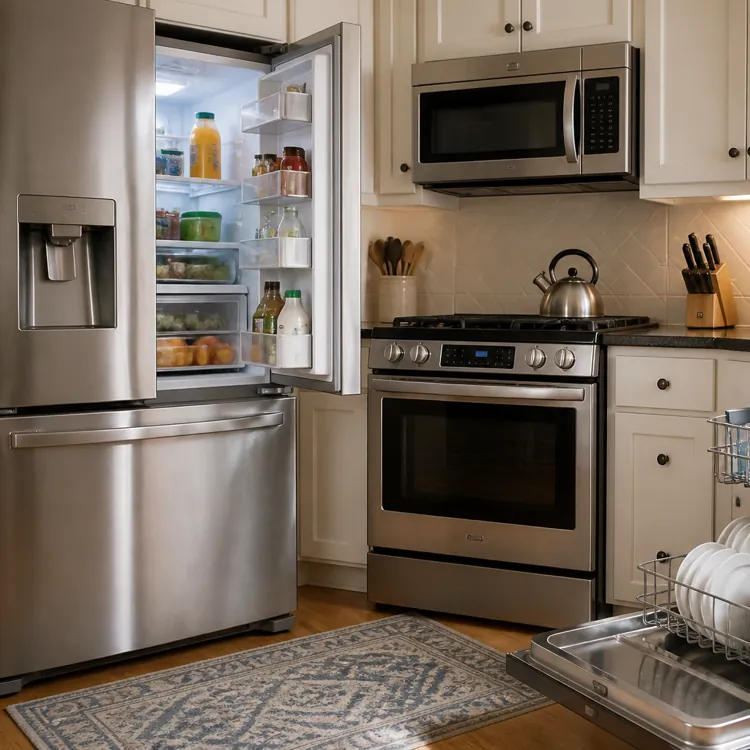
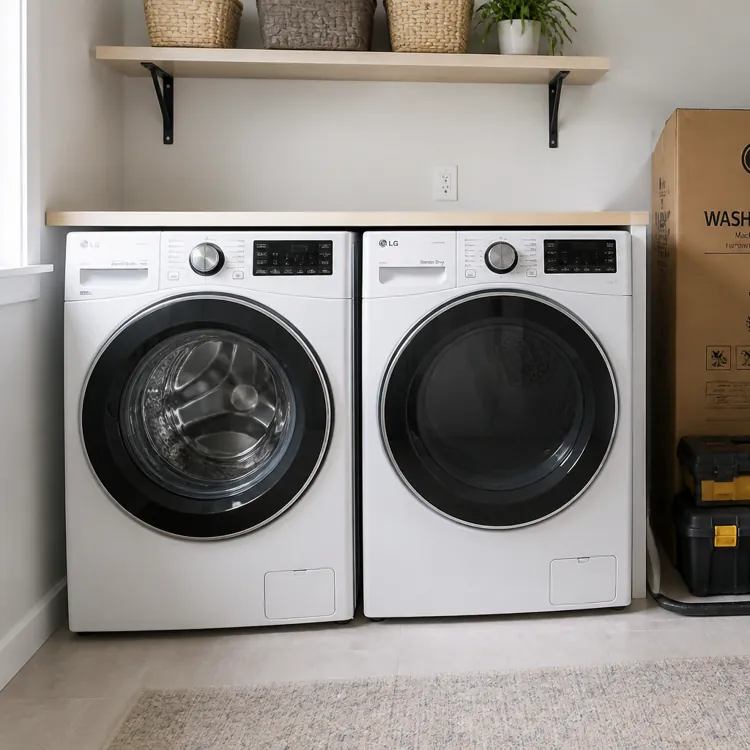
Home warranties cover the breakdown of major systems and appliances from normal use, which happens more frequently in older properties. Standard coverage includes HVAC systems, plumbing, electrical components and major appliances. Older homes may benefit from add-on coverage for septic systems, well pumps or secondary appliances.
Home warranties can protect against expensive repairs in older homes
However, warranties exclude many issues that commonly affect aging properties. Coverage typically won't pay for cosmetic damage and problems caused by poor maintenance or improper installation.
Coverage limits pose another consideration for older homes since vintage equipment often costs more to repair or replace. A $1,500 HVAC cap might cover standard repairs but fall short for specialty boiler systems or hard-to-find parts. Understanding these financial boundaries helps set realistic expectations for potential out-of-pocket expenses when systems inevitably break down.
Did you know?
Home warranties differ from homeowner’s insurance. Insurance covers sudden damage from storms or accidents, while warranties handle predictable equipment failures from daily use. Aging homes benefit from both types of protection since they face different risks.
Pros and cons of a home warranty for an older home
A home warranty is often worth it if your priority is financial predictability. Instead of facing a $3,000 furnace replacement or $1,500 plumbing emergency, you pay a monthly fee plus a manageable service fee while the warranty covers the rest. This helps you budget and avoid depleting emergency savings on inevitable repairs.
However, warranties come with limitations that affect older homes. Many policies exclude problems from poor maintenance or improper installation, while coverage caps may fall short of replacement costs for vintage equipment. You may also face longer wait times or service quality issues if the home warranty company doesn’t allow you to pick your own technician.
Home warranty pros and cons
Pros
- Predictable monthly costs
- Peace of mind for aging systems and appliances
- Convenience of a pre-screened contractor network
Cons
- Service fees apply to every claim
- Coverage limits may not cover full replacement costs
- Limited control over which technician arrives
How much is a home warranty for an older home?
Home warranty premiums cost the same for older and newer homes, averaging just under $700 annually, as of June 2025. However, older homes may generate higher total expenses due to more frequent repairs from aging systems and appliances.
Monthly or annual premiums
Based on quotes we got from 22 companies, monthly premiums run from $30 to $90. Comprehensive tiers average around $60 monthly. You can pay monthly or annually, with many providers offering annual payment discounts.
The premium doesn’t change based on your home’s age, but older homes often need extensive coverage to protect multiple aging systems.
Service call fees
Service fees range from $50 to $150 per claim and represent the biggest cost difference for older homes. Since aging properties may require more frequent repairs, these fees accumulate quickly throughout the year.
A newer home might need a couple of service calls annually, while an older home could require more visits.
Add-on coverage
Add-ons cost $2 to $25 monthly per item. Common options for older homes include septic system, well pump and pool coverage.
Other home warranty cost factors
Besides premiums, trade call fees and add-on costs, your home warranty cost depends on a few other factors:
- Home size and type: Larger homes could require more comprehensive protection for extra systems and appliances, increasing overall costs.
- Location: Urban areas may cost more than rural regions due to higher labor costs and contractor availability.
- Coverage level: Comprehensive plans covering both systems and appliances cost more than basic system-only coverage.
- Discounts: Many companies offer savings for annual payments, multiyear commitments or bundling more than one property.
FAQ
Are home warranties worth it for older homes?
Home warranties can be worth it for older homes as they cover repair costs for aging systems and appliances that break down more frequently. If you have limited savings for unexpected repairs, a warranty offers predictable monthly costs instead of surprise bills that could reach thousands of dollars.
Can you get a home warranty on an old house?
Yes, you can get a home warranty on an older house. The warranty company may require an inspection to verify that systems and appliances work before coverage begins.
How do home warranties work for older homes?
Home warranties cover breakdowns from wear and tear in older homes. But they may exclude preexisting damage and maintenance-related failures. When you file a claim, the company sends a technician to diagnose the problem, then repairs or replaces the item if it’s covered under your plan.
Why should I consider a home warranty for an older home?
You should consider a home warranty for an older home because it can help you avoid financial stress from unexpected breakdowns. It connects you with vetted repair professionals without the hassle of researching contractors during an emergency.
Article sources
ConsumerAffairs writers primarily rely on government data, industry experts and original research from other reputable publications to inform their work. Specific sources for this article include:
- Federal Trade Commission Consumer Advice, “So what’s the deal with ‘home warranties’?” Accessed Sept. 22, 2025.
- TDECU, “The Pros and Cons of a Home Warranty.” Accessed Sept. 22, 2025.