

Home warranty water damage coverage
When you sign up for a home warranty, you likely won’t see water damage as a plan feature. What you will see are plans that cover water-related systems and appliances like:
- Pipes
- Water heaters
- Well pumps
- Sup pumps
- Roofs
- Septic systems
Getting a policy that includes coverage of these systems (if you have them) may add some water damage coverage to your plan. If one of these systems breaks down, there’s a chance your policy could cover some water damage from the malfunction.
Most home warranty plans will pay to repair or replace the system or appliance that caused the leak — like a broken pipe, leaking water heater or malfunctioning washing machine — if it fails due to normal wear and tear and is included in your plan.
However, home warranties generally do not cover the damage that results from the leak itself. This means repairs to walls, floors, ceilings, cabinets or personal property damaged by water are usually excluded. These repairs are often handled by homeowners insurance policies, not home warranties.
Here are examples of how common scenarios are typically handled:
- Burst pipe: If a plumbing pipe bursts due to normal wear and tear, a home warranty may pay to repair or replace the pipe. However, the warranty usually does not cover water damage to floors, walls or personal belongings caused by the burst.
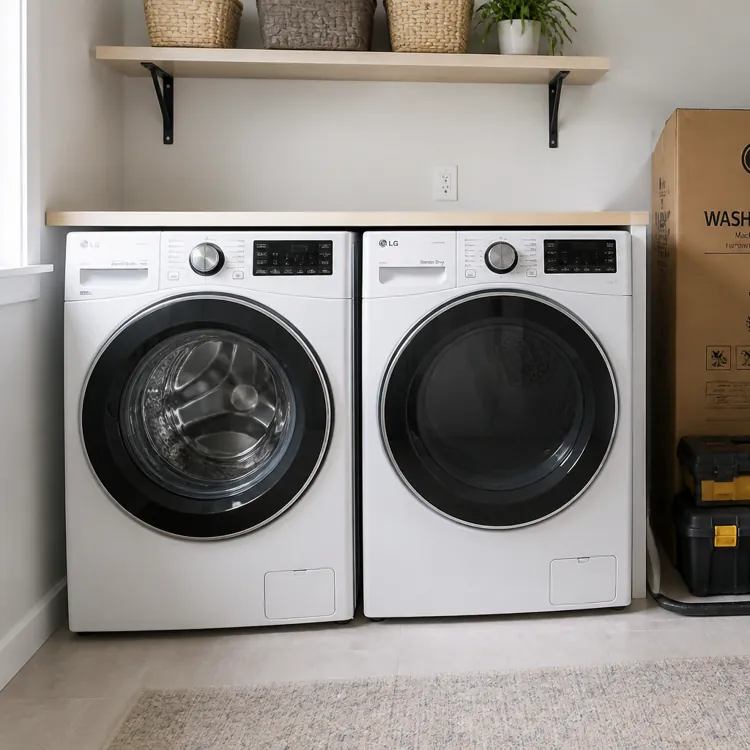
- Washing machine leak: If a washing machine covered by your plan leaks because of a mechanical failure, the warranty may cover repair or replacement of the appliance. Damage to the surrounding area, such as ruined flooring or drywall, is typically excluded.
- Roof leak: Some home warranty plans offer limited roof leak coverage, but this is often restricted to repairs of the roof itself. Water damage inside your home, like stained ceilings or mold, is generally not included.
- Hidden leaks: If a leak from a covered plumbing component is hidden behind walls or under floors, the warranty might cover accessing and repairing the pipe, but not the cost to repair secondary water damage or mold remediation.
Be sure to ask your home warranty company for more information about your coverage.
Water damage warranty coverage exclusions
If you’re lucky enough to find a company that offers water damage coverage, there are still a few things that may result in a denied claim. These include the following:
- Preexisting problems with the systems or appliances
- Preexisting water damage
- Failure to properly maintain the systems or appliances
What to do if your home warranty doesn’t cover water damage
Even if your home warranty doesn’t cover water damage, getting coverage for water-related systems and appliances is a good idea. As soon as something goes wrong, you can get the item fixed before it leaks enough to damage your floors or walls. Also, it’s a smart move to put a water leak detector around these appliances to catch problems early.
If you’re not already covered by your home insurance, you can often add water damage coverage. Just remember that the insurance company won’t cover the repair or replacement of whatever caused the water damage. That’s what home warranties are for.
FAQ
What does a home warranty typically cover?
Home warranties usually cover large appliances, built-in microwaves, water heaters and systems like HVACs, plumbing, ductwork, pool heaters and well pumps. Some plans also cover additional items like pest control, septic systems, central vacuums, sump pumps and more.
Do home warranty policies cover leaks?
Typically, no. They do cover the repairs or replacement of systems and appliances in the home that can cause leaks.
Does a home warranty cover a leaking window?
Most home warranties don’t cover windows, even if they’re leaky.
What’s the difference between a home warranty and homeowners insurance for water damage?
A home warranty covers the repair or replacement of specific home systems and appliances due to normal wear and tear. Homeowners insurance, on the other hand, may cover sudden and accidental water damage to your home structure and personal property, depending on the cause. Insurance is designed to address the aftermath of covered perils, while warranties focus on maintenance and mechanical failures.
Bottom line
You’re not likely to get water damage coverage through a home warranty. The good news is that your home insurance should cover water damage, and your home warranty may cover the repair or replacement of whatever caused the leak.
Article sources
ConsumerAffairs writers primarily rely on government data, industry experts and original research from other reputable publications to inform their work. Specific sources for this article include:
- First American Home Warranty, “What's Not Covered By a Home Warranty.” Accessed Sept. 18, 2025.