

Key insights
Home warranties usually cover toilet repairs and replacements tied to normal wear and tear.
Jump to insightSome exclusions like cosmetic damage, preexisting conditions and improper installation can get your claim denied.
Jump to insightA newer toilet may still be covered by the manufacturer’s warranty if the problem is a defect in materials or workmanship.
Jump to insightHome warranty toilet coverage
Replacing a toilet typically costs between $300 and $500, but the job can run $3,500 or more for high-end smart toilets. It’s safe to say that a home warranty policy that covers repairs and replacement can save you a lot in unexpected bills.
Usually, home warranty protection covers the parts and labor needed to complete the repair job. Your policy may also cover surrounding problems with your pipes, like clogs caused by normal use.
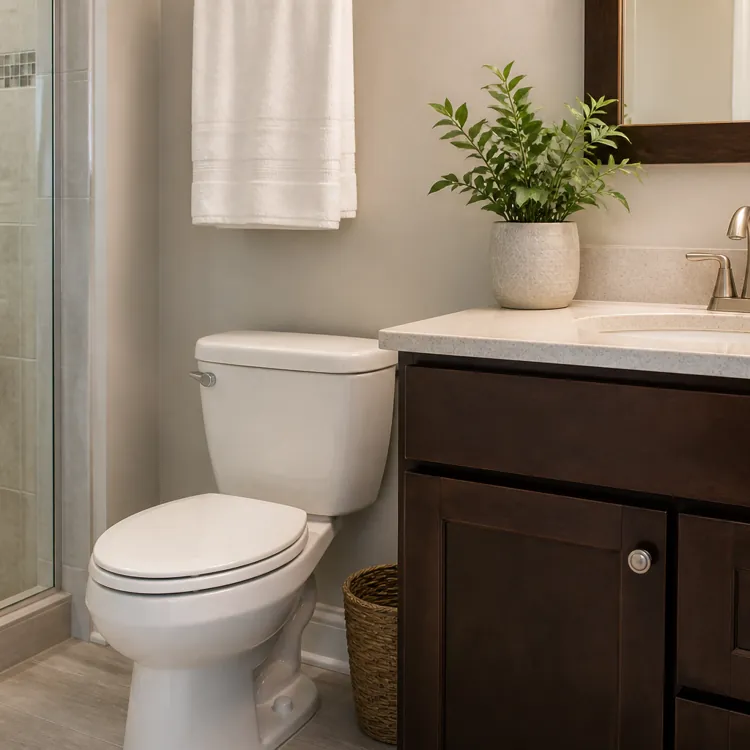
Toilet coverage is usually part of a plan’s core plumbing system protection. Most plans will pay for repair or replacement of toilets when problems are caused by normal wear and tear. Here are some common services that may be included:
- Stoppages: Clearing toilet blockages in drain lines within your home's foundation, often by snaking or unclogging the toilet if the blockage is due to normal use.
- Leaks: Fixing leaks in the tank, bowl or internal parts, like faulty seals, gaskets or flappers.
- Valves and components: Repairing or replacing broken flush valves, fill valves and other mechanical parts needed for your toilet to work.
What does a home warranty typically cover?
Besides toilets, home warranties usually cover:
- Core systems: Heating, air conditioning (HVAC), plumbing, electrical wiring, water heaters, well pumps and ductwork.
- Major appliances: Refrigerators, ovens, ranges, built-in microwaves, dishwashers, and clothes washers and dryers.
- Add-ons: Some plans also offer coverage for additional items like pest control, septic systems, central vacuums, sump pumps and more.
Toilet warranty coverage exclusions
Read your home warranty contract carefully to understand what's covered before filing a claim. While your policy likely covers fixing or replacing your toilet under specific circumstances, the contract likely includes exclusions and limitations to be aware of.
Most home warranties do not cover:
Toilet seats and lids: Considered cosmetic (not functional) parts.
Porcelain cracks or bowl damage: Cracks, chips or other structural damage to the porcelain bowl or tank are usually excluded (unless directly caused by a covered mechanical failure).
Cosmetic issues: Non-functional flaws, like discoloration or scratches.
Here's a rundown of common exclusions in home warranty contracts:
Damage that's not from regular wear and tear
Unauthorized repairs
Cosmetic damage
Improper installation
Overlapping coverage with the manufacturer's warranty
Damage caused by natural disasters
Understanding coverage caps
Here's something else to keep in mind: Your policy might enforce coverage caps. Coverage caps matter because they limit how much a provider will pay for a single repair or for repairs or replacements each year. That’s especially important if you have a high-end toilet or an upgraded smart model — the cap may be low enough that you’re still on the hook for part of the bill.
Home warranty claim process for toilet repairs
If your toilet has a covered failure and you need a repair or replacement, follow these general steps to file a claim:
- Review your warranty plan: Confirm that your toilet issue is covered and that you’re past any waiting periods (often 30 days after the plan starts).
- Gather your info: Have your contract number, a clear description of the problem and any supporting documents (like photos or prior maintenance records).
- Contact your provider: File a claim through their website or by phone. Give all the details about your toilet issue.
- Schedule a service visit: The company will send a licensed technician to inspect your toilet. Be ready to pay a service fee if required.
- Repairs or replacement: If the issue is approved, the technician will repair or replace the toilet. The timeline depends on parts and scheduling.
Keep copies of all communications and receipts in case you need them later.
What to do if your home warranty doesn’t cover toilets
If your home warranty plan doesn’t cover toilets, you have a few options. Start by asking if you can upgrade to a higher-tier package that covers toilets or buy add-on coverage. If it's a new unit, it's also worth looking into whether your appliance is still under the manufacturer's warranty before paying a service fee.
If the damage was caused by an event like a flood or storm, your home insurance might help cover the cost of replacing the toilet
Choosing a home warranty for toilet coverage
Selecting the right home warranty plan for toilet coverage can help you avoid unnecessary expenses and stress. Here are some tips to help you choose the best plan and provider:
- Compare coverage options: Make sure toilets and related plumbing issues are specifically listed in the plan.
- Understand the exclusions: Carefully read through the limitations to avoid surprises when filing a claim.
- Check coverage caps: Know the maximum amount the company will pay for repairs or replacements.
- Evaluate response times: Look for companies with a reputation for quick and reliable service.
- Read customer reviews: Check what other homeowners say about their experiences with the provider.
- Assess cost vs. value: Consider monthly premiums and service fees compared to the potential savings.
- Look for flexible plans: Some companies let you add optional coverage if needed.
FAQ
Do toilets come with a warranty?
Yes, toilets typically come with a manufacturer's warranty covering defects in materials or workmanship for a set period, which can vary by brand and model. Some retailers or installers may also offer extended warranties or guarantees. The company’s website should include a tool to look up your appliance warranty details using the serial and model numbers.
How long do toilets last?
Toilets typically last about 10 to 15 years.
What types of toilet repairs are not covered by a home warranty?
Home warranties usually do not cover problems from improper installation, lack of maintenance or pre-existing conditions. They also exclude cosmetic damage and upgrades.
Does toilet coverage include clearing stoppages or clogs?
Many plans cover clearing toilet stoppages or clogs, but they may limit how often you can use the service or how severe the blockage can be.
Bottom line
Home warranties often cover toilets and the pipes that connect to them, but review your warranty contract details. Understanding the full scope of your coverage and any potential limitations or exclusions is key to ensuring you're fully protected.
Article sources
ConsumerAffairs writers primarily rely on government data, industry experts and original research from other reputable publications to inform their work. Specific sources for this article include:
U.S. Environmental Protection Agency (EPA), “Residential Toilets.” Accessed Sept. 8, 2026.