KFF/Washington Post survey of 2,700 parents finds broad trust in MMR and polio vaccines but less confidence in flu and COVID-19 shots.
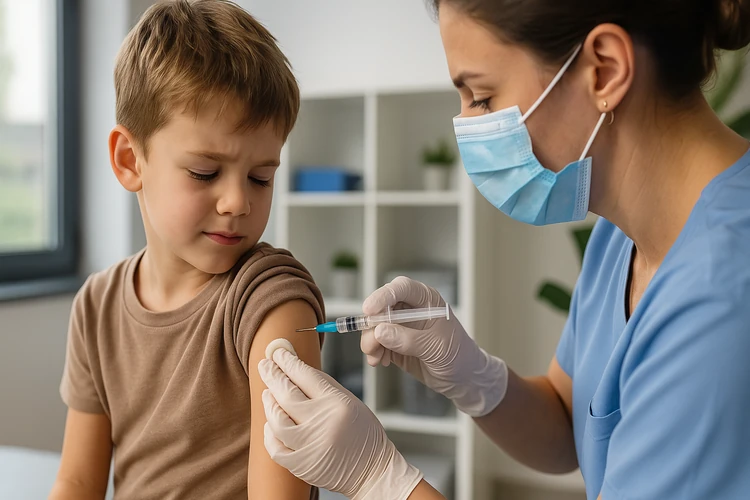
About one in six parents say they have delayed or skipped recommended childhood vaccines, citing safety concerns.
Confidence in federal health agencies remains low, with only 14% expressing strong trust in the CDC or FDA.
A new survey by KFF and The Washington Post shows large majorities of U.S. parents believe childhood vaccines such as measles, mumps, and rubella (MMR) and polio are safe and essential. The poll, based on interviews with 2,716 parents, highlights widespread acceptance of the long-standing vaccines that have been a foundation of public health for decades.
Concerns about newer vaccines
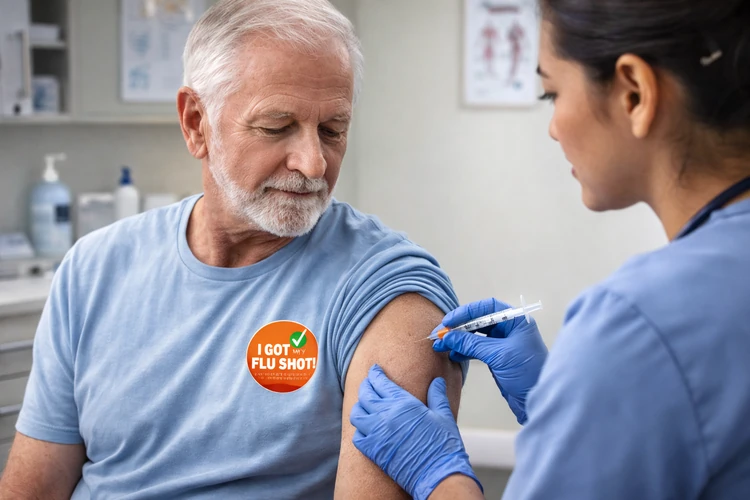
Parents are less confident about flu and COVID-19 vaccines. While most say they keep their children up to date on the recommended childhood schedule, about 16% reported delaying or skipping at least one vaccine (excluding flu and COVID). Younger parents, Republicans—especially those aligned with the “Make America Great Again” movement—and parents who homeschool were more likely to report skipping or delaying shots.
Safety fears and misinformation
The top reasons cited for avoiding some vaccines were fear of side effects, mistrust of vaccine safety, and doubts about whether all shots are necessary. The poll also revealed widespread uncertainty about misinformation: while just 9% of parents believe the false claim that MMR causes autism, nearly half (48%) said they don’t know enough to say. Parents of children with autism spectrum disorder were somewhat more likely to accept the false claim.
Support for school vaccine mandates remains high, with 81% of parents saying students should be required to get measles and polio vaccines, allowing for medical and religious exemptions. Eight percent of parents reported seeking exemptions so their children could attend school or daycare.
Distrust in federal health agencies
Confidence in federal health agencies remains shaky. Just 14% of parents expressed “a lot” of confidence in the CDC or FDA to ensure vaccine safety and effectiveness, while half said they had little or no confidence. About a quarter of parents believe the CDC recommends too many vaccines.
The survey was conducted as Health and Human Services Secretary Robert F. Kennedy Jr. continues to question federal vaccine policy. Few parents—only 11%—reported hearing much about his changes to vaccine policy, and most said they were unsure how those changes might affect safety, access, or industry influence.
Survey background
The KFF/Washington Post survey was conducted online from July 18 to Aug. 4, 2025, in English and Spanish, using Ipsos KnowledgePanel. It is the 37th collaboration between KFF and The Post since 1995, combining survey research with in-depth reporting.