Riots in
Tunisia and Egypt were set off, in large part, by skyrocketing food
prices. Other countries, especially in the developing world, are
feeling similar strains.
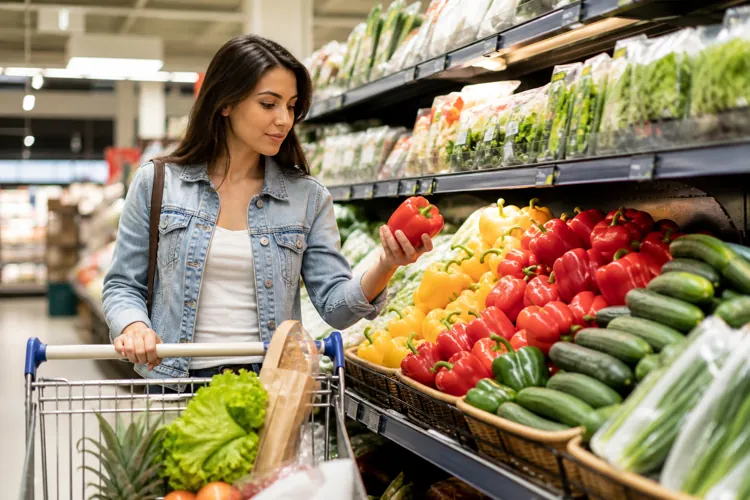
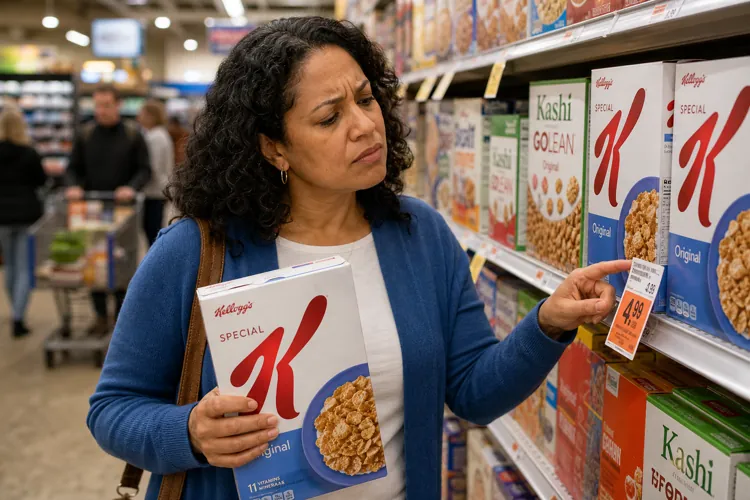
While commodities have risen sharply over the last few months, American consumers are just now beginning to feel the pinch at the supermarket checkout line.
It's no accident that food and energy prices have begun to go up at the same time. Both are commodities that are in demand when times are good and less so when the economy is suffering.
Déjà vu
Both were escalating in price in 2008, just before the economic meltdown in the wake of the Lehman Brothers bankruptcy. In the months that followed, both sectors went down in price, providing consumers a much-needed price break.
Now that economic growth appears to be returning, both sectors have seen demand rise and the expectation that this trend will continue has put upward price pressure on both food and fuel.
Analysts at J.P. Morgan say that food prices probably haven't stopped going up. The analysts say both increased demand and reduced production, brought about by severe weather conditions in many food producing regions last year, is responsible for the inflation.
In its 2011 Outlook, the Food Institute predicts consumers will pay an extra two to three percent for food, less than the price hikes being experienced elsewhere in the world.
Outlook
"Both food-at-home (grocery store) and food-away-from-home (restaurant) prices are also forecast to increase 2 to 3 percent," the association says. "Although food price inflation was relatively weak for most of 2009 and 2010, higher food commodity and energy prices have recently exerted pressure on wholesale and retail food prices. Hence, higher prices are projected to push inflation toward the historical average inflation rate of two to three percent in 2011."
While many consumers might be able to live with three percent inflation in the grocery aisle, keep in mind that's just the average. Some food items will likely go up a lot more. If those items happen to be on your shopping list, you'll pay more.
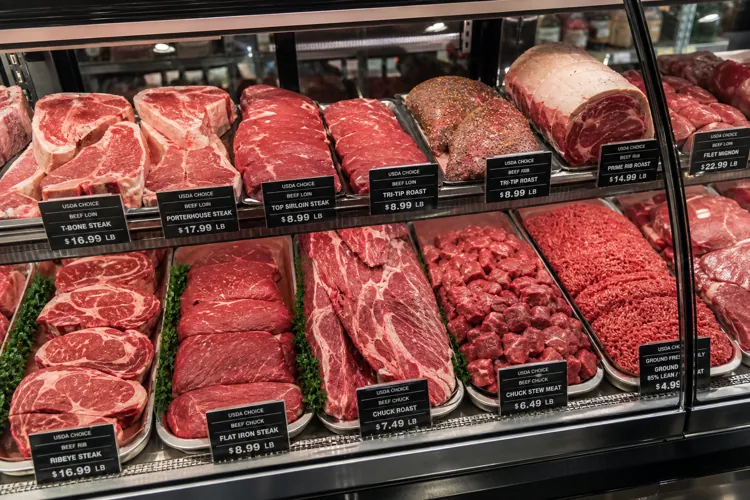
For example, meat prices are already climbing. According to the USDA's index report, beef prices were up 6.1 percent in December 2010 compared with a year earlier, while pork prices jumped 11.2 percent during the month compared with December 2009.
A basic food commodity like wheat could also get more expensive. Its price has risen in recent months after a severe drought in Russia effectively ended exports from that country. China is also experiencing a drought.
Natural disasters
It remains to be seen what impact the devastating floods in Australia will have, since they hit during that country's summer, at the height of the growing season.
Whether you are worried or not, the United Nations Food and Agriculture Organization (FAO) seems to be. It recently reported that its index of farm commodity prices reached a new record.
The Index averaged 231 points in January and was up 3.4 percent from December 2010. This is the highest level (both in real and nominal terms) since FAO started measuring food prices in 1990. Prices of all monitored commodity groups registered strong gains in January, except for meat, which remained unchanged.
High prices
"The new figures clearly show that the upward pressure on world food prices is not abating," said FAO economist and grains expert Abdolreza Abbassian. "These high prices are likely to persist in the months to come. High food prices are of major concern especially for low-income food deficit countries that may face problems in financing food imports and for poor households which spend a large share of their income on food."
The index suggests it will be hard to escape the price increases. On average, sugar, cereal, oils/fats and dairy were higher in December.