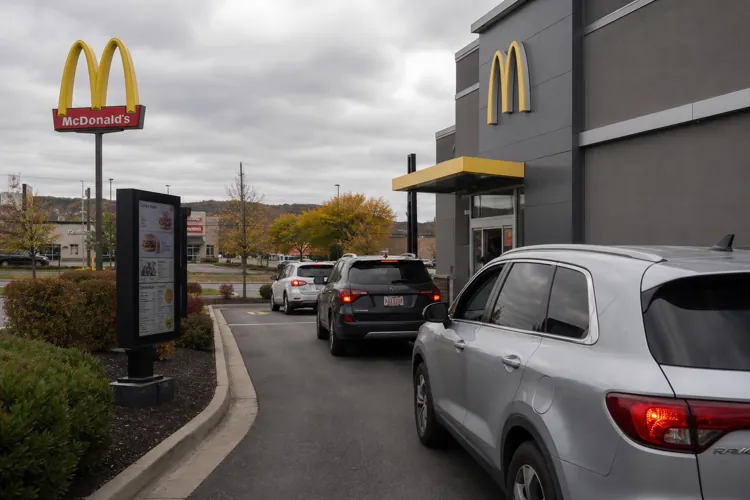
A day after reporting an E. Coli outbreak linked to the Quarter Pounder, McDonald’s USA President Joe Erlinger said the company is moving quickly to restore confidence after one person died and at least 49 were sickened.
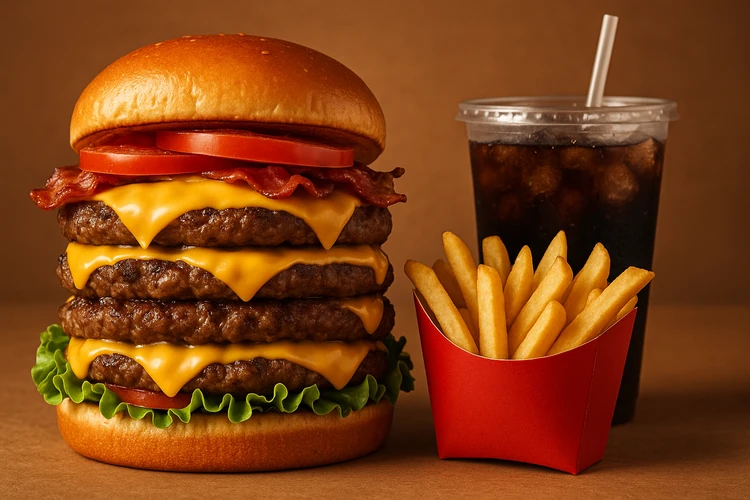
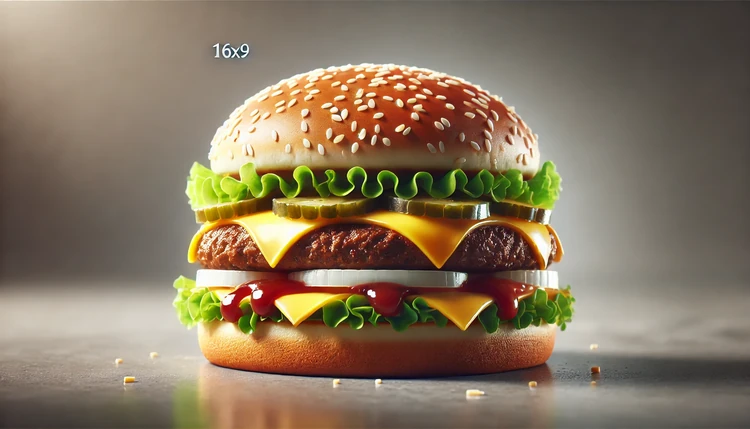
“We are very confident that you can go to McDonald’s and enjoy our classics,” Erlinger said on the TODAY Show. “We took swift action yesterday to remove the Quarter Pounder from our menu. This was swift and decisive action by us.”
Erlinger said the company is cooperating with the Centers for Disease Control and Prevention in trying to trace the origin of the outbreak that took the popular burger off the menu in 10 states. Not surprisingly, the case is also attracting the attention of the legal profession.
"This McDonald's E. coli Outbreak is likely to grow," said attorney Jory Lange, of the Jory Law Firm, with offices in four of the affected states. "Symptoms usually began one to 10 days after eating E. coli-contaminated food. Once people get sick and go to the hospital, it takes time for stool tests to come back positive for E. coli and for those test results to be reported to hospitals. That's why the outbreak numbers will likely continue to rise."
Lange said E. coli is scary because consumers have no way to tell if the food has been contaminated, noting that contaminated food may look, smell, and taste just like any other food.
“This is why it's critical that restaurants who make and sell our food, ensure the food is safe before they sell it," Lange said.
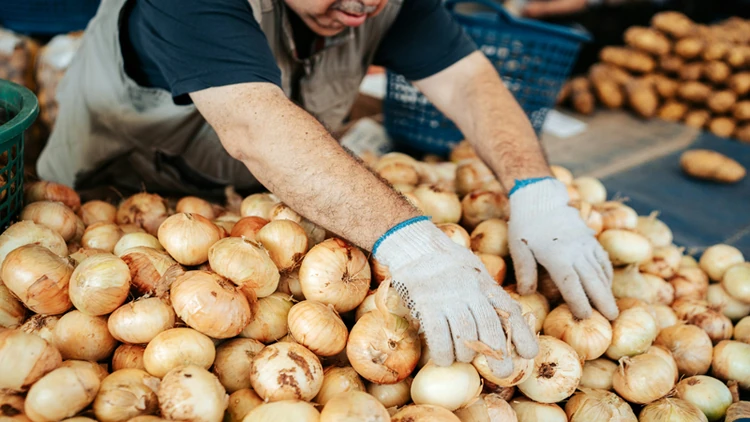
Onions are the prime suspect
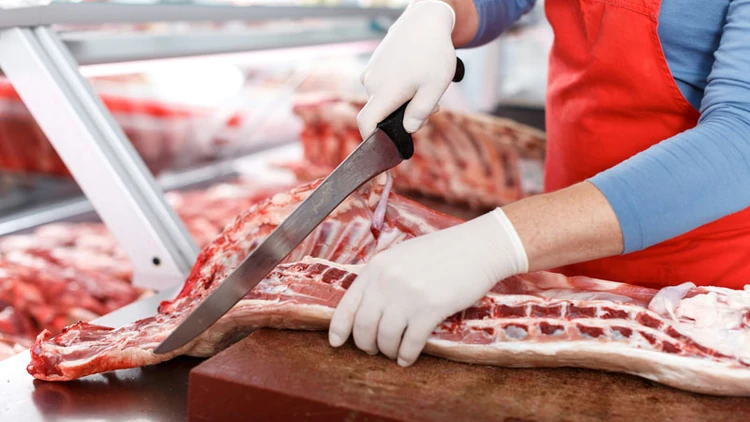
Attorney William Marlar of the Marlar Clark law firm says preliminary traceback and distribution information reviewed by the U.S. Food and Drug Administration shows that slivered onions served on Quarter Pounders are a likely source of contamination. The U.S. Food Safety and Inspection Service is conducting traceback on hamburger patties served at McDonald's to determine if ground beef is a source of illness.
"Given that illnesses are reported in 10 different states with differing McDonalds restaurants, it is unlikely that hamburgers were undercooked in multiple locations," said Marler. "The more likely culprit would be the slivered onions. Onions have been linked to several foodborne illness outbreaks in recent years.”
Among the 49 people who reported illnesses after eating a Quarter Pounder, 10 people have been hospitalized, including a child who developed a kidney disease called hemolytic uremic syndrome.