When it comes to toys, safety standards are usually high. Unfortunately, not all recalled toys are removed from store shelves in a timely manner. Potentially dangerous products can stay in the marketplace where unsuspecting adults can still easily purchase those flawed toys.
A recent investigation into 16 recently recalled toys by the U.S. PIRG Education Fund found that half were still available for purchase, sometimes in multiples from U.S.-based online sellers including Facebook Marketplace and eBay, as well as several online toy shops.
We're not talking about used toys, either. The vast majority were new in the box or new with tags.
The dangerous toys were innocent-looking enough – stuffed animals, action figures, activity balls for infants, musical toys, bath toys, and a toddler’s riding toy – but many of the toys presented choking or injury hazards.
Aflac?
Among the dangerous toys that U.S. PIRG reported still being sold were those from major and otherwise trustworthy brands, including:
Blue's Clues Foot to Floor Ride-on Toys – about 28,550 recalled because the ride-on toy can tip forward when a young child is riding it, posing fall and injury hazards.
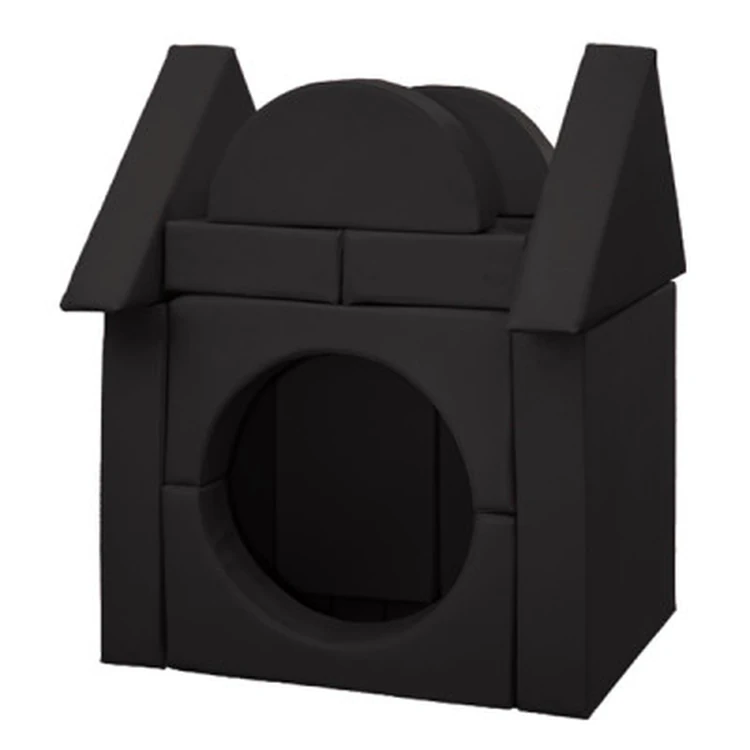
Kidoozie Play Tents and Playhouses – about 251,600 have been recalled because the fabric playhouses and play tents fail to meet industry flammability standards.
Disney Baby Winnie the Pooh Rattle Sets – nearly 10,000 available thru Walgreens and recalled because of a choking hazard.
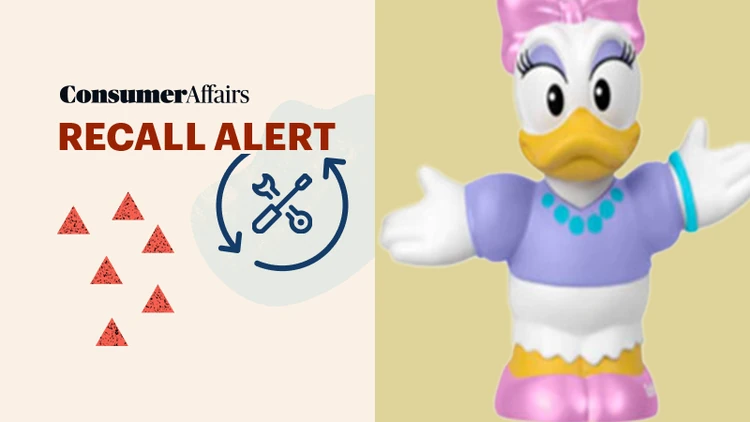
6” Aflac Plush Promotional Ducks – 600,000 recalled because the items contain levels of certain phthalates (plastics that can contain a type of acid) and lead that exceed the federal content standards. ConsumerAffairs found a large number of what appear to be those same ducks still available on eBay.
Cracking down on the problem
The Consumer Product Safety Commission (CPSC) is trying to crack down on the threat of recalled toys left in the marketplace and sent a warning letter to Facebook/Meta CEO Mark Zuckerberg in July. “We are aware of the growing challenges with these kinds of ecommerce sites,” the CPSC told U.S. PIRG Education Fund.
About 200,000 children go to an emergency room each year because of toy-related injuries or illnesses, according to the CPSC. The threats to children include recalled toys, counterfeit toys that don’t meet U.S. safety standards, and failure to heed warning labels. U.S. PIRG takes a deep dive into those issues and more in its 37th annual Trouble in Toyland report.
“Toys overall are safer today. Injuries and recalls are down. But when 200,000 kids are going to emergency rooms every year for injuries involving toys, that’s clearly unacceptable,” said U.S. PIRG Education Fund Consumer Watchdog Teresa Murray.
“Everyone – retailers, toy manufacturers, regulators, lawmakers, consumer advocates, and families – need to do more to protect children.”
Parents have a role to play in this issue
It goes without saying that most parents would never put their kids in harm’s way with a toy that would likely be dangerous, including a recalled toy if they knew about any problems with that toy. But, guess what – in order for toys to be recalled, they have to be for sale.
And that’s where a parent’s responsibility becomes more important, especially around gift-giving times. Whenever a child gets a new toy, Dr. Jerri Rose, associate division chief of pediatric emergency medicine, UH-Rainbow Babies & Children’s Hospital in Cleveland, says parent should inspect the toy thoroughly.
Rose said the things parents should consider include:
• Are there small parts that can break off that the child could put in their mouth? A small part is defined by the CPSC as any object that fits completely into a test cylinder 1.25 wide by 2.25 inches long. This is about the size of the fully expanded throat of a child less than 3 years old.
• Could a piece of plastic or another part of the toy break easily and produce something sharp that could cut the child or poke an eye?
• Look at the label on the box or package. “Toys that are approved should say the age they’re approved for,” Rose said.
• Make sure that anything that’s electric says it’s UL-approved.
• Look for “non-toxic” labeling.
• If there are batteries, especially button batteries, make sure the compartments are secure and can’t be opened by a young child. Screws could come loose during shipping.
• Is your child old enough to play with the toy responsibly? Just because a child is older than 3 doesn’t mean he can automatically be trusted to not put small parts in his mouth. Parents know their children best.
“There are a lot of toys out there that are perfectly safe for the appropriate age child,” Rose said, noting it can be challenging when a family has children across a range of ages.
ConsumerAffairs scours product and government websites daily for recalls and toy recalls are a prominent part of our ongoing investigation. You can keep up with the most recent toy recalls here.