|
|
NEWS
RECALLS
COMPLAINT FORM
SCAM ALERTS
RESOURCES
Small Claims Guide Class Actions Lemon Laws FAQ Newsletters |
|
| Automotive Education Employment Electronics Family Finance Health Homeowners Insurance Pets Shopping Travel |
|
|
|
![]() |
Report: Deceptive Credit Card Practices Remain WidespreadEvery bank studied engages in unscrupulous behavior |
|||||||||
|
By James Limbach October 29, 2009
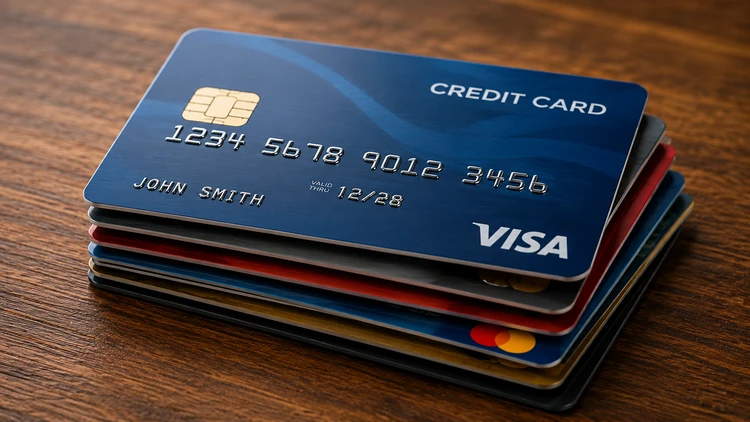
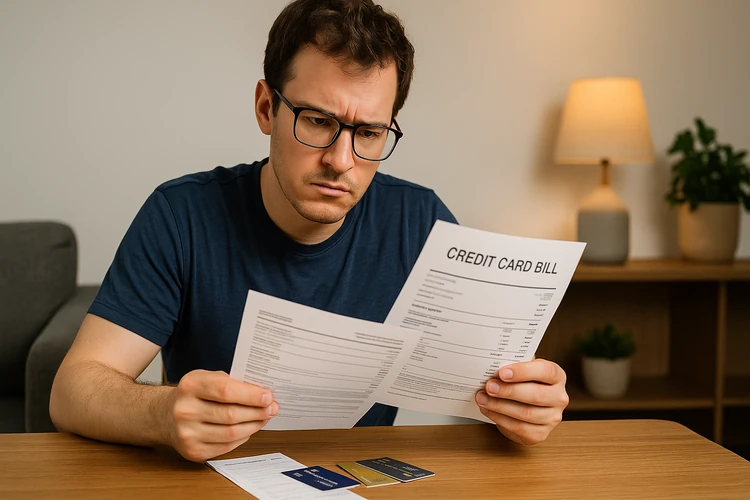
The report also found that advertised credit card interest rates rose an average of 20 percent in the first two quarters of 2009, even as banks' cost of lending declined. With the Federal Reserve currently developing rules to ensure penalty charges are "reasonable and proportional" as required under the Credit CARD Act, the report also includes policy recommendations for regulators. "Since passage of the Credit CARD Act, we found that credit card issuers have done little to remove practices deemed unfair or deceptive by the Federal Reserve," said Shelley A. Hearne, managing director of the Pew Health Group, which oversees the project. "In fact, some of the most harmful practices have actually grown more widespread-not one of the bank cards reviewed would meet the legal requirements outlined in the Credit CARD Act, which is bad news for consumers." The new report examines all consumer credit cards offered online by the largest 12 bank issuers in America. These banks control more than 90 percent of outstanding credit card debt nationwide. The report also reviewed cards offered by the largest credit unions. The Pew Safe Credit Cards Project gathered data from July of this year on nearly 400 cards, building on its previous research from December 2008. Key findings of the report show that: 99.7 percent of bank cards allowed issuers to increase interest rates on outstanding balances -- a jump from 93 percent in December; 95 percent of bank cards permitted issuers to apply payments in a way the Federal Reserve found likely to cause substantial financial injury to consumers; and 90 percent of bank cards had penalty rate hikes with the vast majority imposed by "hair triggers" of one or two late payments in a year. "The Federal Reserve must ensure that the rules it is developing will prevent unreasonable or disproportionate penalties, including penalty rate increases, which our data show remain far too common," said Nick Bourke, manager of Pew's Safe Credit Cards Project. In July, median advertised annual percentage rates (APRs) for purchases on bank issued cards were between 12.24 and 17.99 percent, compared with a range of 9.99 to 15.99 percent in December 2008 (issuers advertise a range of rates depending on applicant credit profiles). Compared with December of last year, lowest advertised bank rates grew by more than 20 percent, while highest advertised rates grew by 13 percent. Pew's previous report showed that issuers raised rates on nearly one-quarter of existing accounts, costing consumers a minimum of $10 billion in a one-year period between 2007 and 2008. The report also provides the first comprehensive comparison of bankcards to those issued by credit unions, based on advertised terms and conditions. The analysis showed that credit unions offered much lower APRs, less punitive penalty rates and engaged in far fewer unfair or deceptive practices than their commercial peers. To ensure that the Credit CARD Act is implemented to meet its goal of safeguarding the consumer, the report outlines policy recommendations for the Federal Reserve and other regulators to ensure that the new rules under development will: Regulate penalty interest rate increases in its rules governing "reasonable and proportional" penalty fees and charges in accordance with the law; Scrutinize partially variable rates, which can increase when the index rises but cannot drop below a minimum set by the issuer; and Eliminate credit card penalties that are not aligned with achieving the Act's primary goals of protecting consumers against risky practices. "When the Credit CARD Act takes effect next year Americans can expect to see safer, more transparent cards," said Bourke. "How well the new law works, however, will depend significantly on how the Federal Reserve creates new rules under the law to protect consumers. In the meantime, issuers have the opportunity to move as quickly as possible to ensure their products are clear of the unfair and deceptive practices that unfortunately remain part of every card we reviewed for our report." If you've had a bad experience -- or a good one -- with a consumer product or service, we'd like to hear about it. All complaints are reviewed by class action attorneys and are considered for publication on our site. Knowledge is power! Help spread the word. File your consumer report now.
|
|||||||||
Back to the top | |
||||||||||
Advertisement
|
|
|||||
|
AUTOMOTIVE Dealers Manufacturers Service Extended Warranties Lemon Laws Recalls Tires Towing Transporters DINING Food Products Restaurants BUSINESS SERVICES Services for Businesses Work at Home FAMILY Aging Children, Parenting Recalls Dating Education Entertainment Modeling & Talent Agencies Pets Weddings |
FINANCE Annuities Banks Credit Cards Debt Collection Debt Counseling Insurance Investing Loans Mortgages Payday Loans Student Loans Tax Prep HEALTH Dentists Doctors Drugs, Pharmacies Health Clubs Hearing Care Hospitals Nursing Homes Nutrition, Diets Vision Care Weight Loss |
HOUSE & HOME Appliances Cookware Furniture Home Improvements Lawn & Garden Movers Pools & Spas Realtors, Rental Agents Recalls Storage Services Utilities ELECTRONICS Cable TV/DBS Cameras Cell Phones Computers Home Electronics Internet Access Local Phone Service Long Distance VoIP |
RECREATION Boats Sporting Goods SHOPPING Delivery Services In-Home Online Retail Stores Supermarkets Telemarketers TRAVEL Airlines Bus Lines Car Rental Cruises Hotels Travel Agents Trains RESOURCES Class Actions Complaint Form Small Claims Guide Lemon Laws |
CONSUMER NEWS Latest News Automotive Telecom Financial Health Homeowners Scams Seniors Travel More ... RECALLS Automotive Children's Products Drugs Food Household Products Sporting Goods ABOUT US FAQ Privacy Policy Advertise With Us Newsroom Syndication Terms of Use |
Terms of Use Your use of this site constitutes acceptance of the Terms of Use
Copyright © 2010 ConsumerAffairs.com Inc. All Rights Reserved. The contents of this site may not be republished, reprinted, rewritten or recirculated without written permission. |

|