|
|
NEWS
RECALLS
COMPLAINT FORM
SCAM ALERTS
RESOURCES
Small Claims Guide Class Actions Lemon Laws FAQ Newsletters |
|
| Automotive Education Employment Electronics Family Finance Health Homeowners Insurance Pets Shopping Travel |
|
|
|
![]() |
New Credit Rules Bring Unintended ConsequencesCredit card companies adapting, but so are consumers |
||||||||
|
By Mark Huffman July 8, 2009
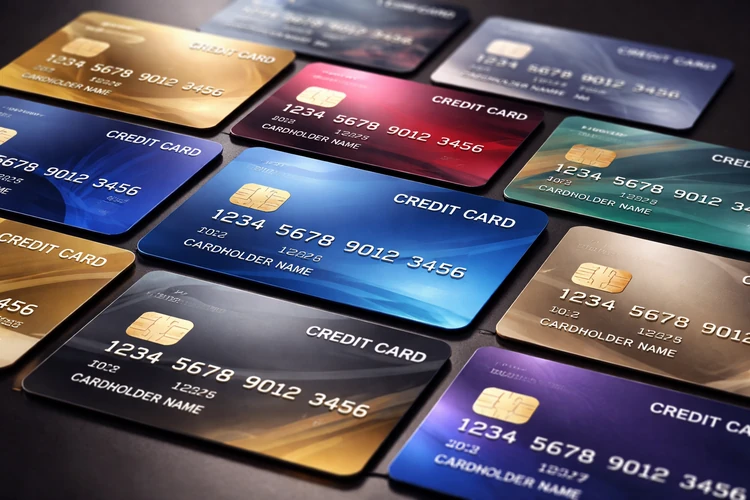
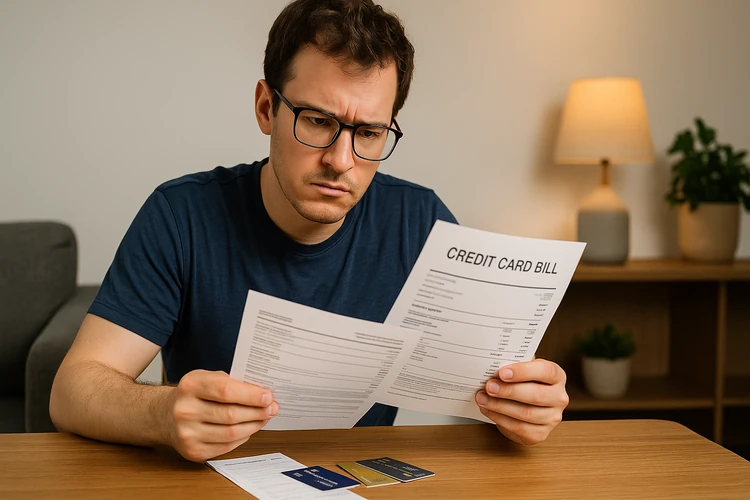
Much of this is occurring in advance of the effective date of the Credit Card Holders’ Bill of Rights, signed into law in May. This legislation, aimed at curbing long-standing abuses, appears to be the catalyst for sudden credit industry changes, according to both consumer groups and banking industry insiders. "You've seen a lot of credit card companies already starting to raise their interest rates," said Ken Lin, founder and CEO of Credit Karma, a provider of credit reports and scores. "With default rates over 10 percent, credit card companies are trying to get ahead of the curve before the Credit Card Act takes effect." Lin says credit card companies likely would have eventually taken a number of these steps to protect themselves in the new economic environment, but the Credit Card Act prompted them to act more quickly. He points to a number of what he calls "unintended consequences." Under the new law, creditors can't raise interest rates on an existing balance unless a person is more than 60 days late on a payment. Creditors can only increase your APR on purchases made after that. But, he says, there’s an unintended consequence. "Since there isn't a limit on interest rates, creditors can quadruple your existing APR for the future purchases if they notify you in advance about a change to the account terms," Lin told ConsumerAffairs.com. Also under the new law, credit companies cannot issue credit cards to people under the age of 21 unless they can prove that they have the means to repay the debt, or can get a co-signer. So people under 21, Lin says, will use prepaid cards or secured credit cards to buy things. In the short term that might be healthy, he says, but over time it will reduce their ability to build a credit history. The Credit Card Holders' Bill of Rights also requires creditors to provide a grace period for payments even if the person takes advantage of a promotional rate balance or deferred interest rate balance. The unintended result, he says is that consumers could see higher annual fees and increased minimum payments. Over the years consumers have complained bitterly about "universal default," the practice of credit card companies raising a consumer's rate--not because they are late paying their credit card bill--but late on another, totally unrelated bill. Consumers said that was unfair and Congress agreed, basically outlawing universal default. Lin calls that the Act's biggest, most far-reaching impact. "People with marginal credit simply aren’t going to get access to credit any more and everyone else is going to be paying a little bit more," Lin said. "I know people are annoyed by this, but statistics bear out that if you’re defaulting on one credit card, you’ll probably be defaulting on another one soon." Even people with good credit often feel like they are being jerked around by their credit card company. Many a complaint to ConsumerAffairs.com begins with the words "I have never been late on a payment..." Lin says if you have a low interest rate, having good credit and a clean payment record might not matter. "There's a segment of consumers whose rates are being raised simply because of the environment we're in," he said. "Credit card companies are looking at an average default rate of 10 and a half percent. If you've got an interest rate lower than 10 percent, and just the average defaulted, that whole portfolio would be losing money for the credit card company." What's a credit card customer to do in this new environment? Lin says pain is likely to be felt at every level for a while, but that there are some things consumers can do to put themselves in a better position. "Practically speaking, we've always urged consumers to have several cards--not a lot, but three or four," Lin said. "When particular credit card companies are closing lines and doubling fees, its good to have options." In the new environment, credit may be a lot more important but harder to come by. Lin says consumers need to diversify now more than ever. "I really feel credit cards are going to be drying up, I think annual fees will be back and consumers with a credit score below 700 are going to be in trouble, because the lenders that have survived are going to be raising their lending standards," Lin said. Consumers can also protect the cards they have now by keeping them active. Use the card for a purchase every month or two and pay off the balance. Credit card companies are going to be closing inactive accounts because they are a liability," he says. While lenders are already changing their terms, Lin believes consumers will continue to change their habits as well, and the era of every family having maxed out credit cards could become a thing of the past. "I don't have a crystal ball that says people won’t be revolving on their credit cards in the near future but there have been some really interesting growth trends," Lin said. "Debit and pre-paid credit cards are the fasting growing segment of the financial services industry. That, along with higher savings rates, may be suggestive of consumers going to more of a pay as you go system in the future, rather than carrying balances." Report Your Experience
|
||||||||
Back to the top | |
|||||||||
Advertisement
|
|
Custom Search
|
||||
|
AUTOMOTIVE Dealers Manufacturers Service Extended Warranties Lemon Laws Recalls Tires Transporters FAMILY Aging Children, Parenting Recalls Dating Education Entertainment Pets Weddings |
FINANCE Annuities Banks Credit Cards Debt Collection Debt Counseling Insurance Investing Loans Mortgages Payday Loans Student Loans Tax Prep HEALTH Doctors Drugs, Pharmacies Health Clubs Hearing Care Hospitals Nursing Homes Nutrition, Diets Vision Care Weight Loss |
HOUSE & HOME Appliances Cookware Furniture Home Improvements Lawn & Garden Movers Pools & Spas Realtors, Rental Agents Recalls Utilities ELECTRONICS Cable TV/DBS Cameras Cell Phones Computers Home Electronics Internet Access Local Phone Service Long Distance VoIP |
SHOPPING In-Home Online Retail Stores Sporting Goods Supermarkets Telemarketers TRAVEL Airlines Bus Lines Car Rental Cruises Hotels Travel Agents Trains RESOURCES Class Actions Complaint Form Small Claims Guide Lemon Laws |
CONSUMER NEWS Latest News Automotive Telecom Financial Health Homeowners Scams Seniors Travel More ... RECALLS Automotive Children's Products Drugs Food Household Products Sporting Goods ABOUT US FAQ Privacy Policy Advertise With Us Newsroom Syndication Terms of Use |
Terms of Use Your use of this site constitutes acceptance of the Terms of Use
Copyright © 2010 ConsumerAffairs.com Inc. All Rights Reserved. The contents of this site may not be republished, reprinted, rewritten or recirculated without written permission. |

|