|
|
NEWS
RECALLS
COMPLAINT FORM
SCAM ALERTS
RESOURCES
Small Claims Guide Class Actions Lemon Laws FAQ Newsletters |
|
| Automotive Education Employment Electronics Family Finance Health Homeowners Insurance Pets Shopping Travel |
|
|
|
![]() |
Latest Chase Controversy Part of a PatternChase has a knack for infuriating its customers |
||||||||
|
By Jon Hood June 28, 2009
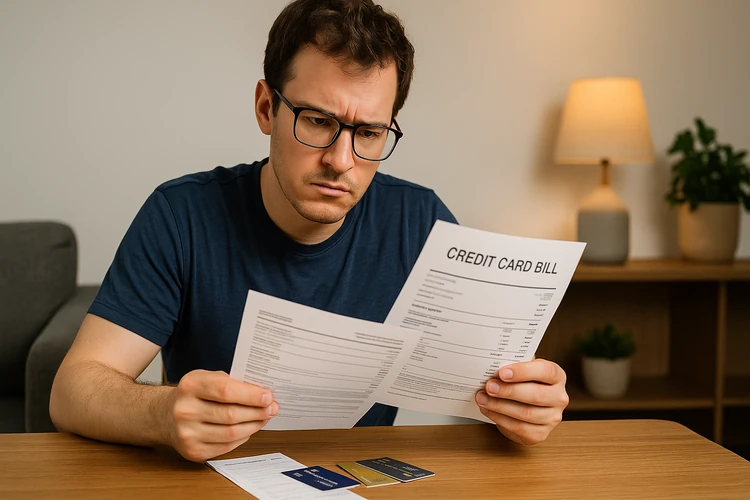
Thousands of Chase credit card holders have been informed that their minimum payment is being raised from 2% to 5%. Chase blames the three-percent increase on the struggling economy. Consumers affected by the increase all took advantage of a balance-transfer program that has already come under scrutiny in a number of lawsuits. In January, a class action lawsuit was filed in California on behalf of consumers who signed up for the Balance Transfer Program, which allows consumers to transfer outstanding debts to their new Chase credit cards. According to the suit, consumers were promised a fixed interest rate of between 2.99 and 4.99%. In January, Chase began charging consumers a $10 “service fee” every month, and consumers who refused to pay found their interest rate raised to as high as 7.99%. Neither the service fee nor the interest rate increase was mentioned in the initial cardholder agreement. In March, Chase reached an agreement with New York Attorney General Andrew Cuomo in which the company agreed to stop charging the $10 service fee targeted in the class action, and to refund over $4 million to affected consumers. According to the stipulation, over 300,000 consumers were affected nationwide. Even loyal and conscientious Chase customers haven't been spared from increases that can prove devastating to their personal finances. Steve of Autryville, N.C., who saw his minimum payment go from 2% to 5%, writes, “I don't know what I'm going to do, I'm only on Social Security and barely making it. I thought Chase was a good company, but they say there's no way to get out of paying the 5% now. I never missed a payment for over 12 years with them. I don't know what to do now.” “I have always paid more than the monthly minimum due and always on time,” writes J.W. of St. Charles, Missouri. “I have carried the card for over 10 years and used the 'fixed rate of 3.99% for the life of the balance transfer' to reduce my unsecured debt (caused by medical expenses) in half. I mistakenly thought that this was a good company giving the average consumer an opportunity to manage financial difficulties responsibly. FAT CHANCE.” Another rulingIn case its reputation wasn't sufficiently tarnished, Chase lost another interest-related lawsuit last month. The Court of Appeals for the Ninth Circuit ruled that Chase must clearly disclose that it might raise interest rates based on a consumer's credit history or other risk-related factors. That suit was brought by a Portland, Ore. couple whose interest rate was raised from nine to 24 percent in April 2005. The suit accused Chase of violating the Truth in Lending Act (TILA) by failing to explain which factors the company used when deciding to raise the interest rate. TILA requires explicit disclosures regarding the terms surrounding a loan agreement. The majority opinion conceded that credit card companies must be able to adjust APR rates based on consumer risk, but said that Chase “buried” the provision governing rate changes “too deeply in the fine print.” Specifically, the court noted that the disclosure came “five dense pages after the disclosure of the APR.” The court said that lenders must “clearly and conspicuously” disclose the reasons for which they might change a consumer's interest rate. While TILA has been a major force in the credit card industry since its 1968 inception, recent legislation seeks to better ensure that disclosures are prominent and easy to understand. The Credit Card Accountability, Responsibility and Disclosure Act, signed into law by President Obama in May, was developed largely as a reaction to the financial crisis brought on by loans and mortgages given to high-risk consumers. The law only allows lenders to raise interest rates if a cardholder submits a payment at least 60 days late. Moreover, if the borrower pays on schedule for the next six months, the lender is required to return the loan to its original APR. Justine Fischer, an attorney for the Oregon couple who claimed victory last month, said that Chase's conduct would likely be prohibited under the new law. Additional suits relating to the balance transfer program have been filed in several other states, including Oregon. More: Read verbatim complaints by Chase customers. Report Your Experience
|
||||||||
Back to the top | |
|||||||||
Advertisement
|
|
Custom Search
|
||||
|
AUTOMOTIVE Dealers Manufacturers Service Extended Warranties Lemon Laws Recalls Tires Transporters FAMILY Aging Children, Parenting Recalls Dating Education Entertainment Pets Weddings |
FINANCE Annuities Banks Credit Cards Debt Collection Debt Counseling Insurance Investing Loans Mortgages Payday Loans Student Loans Tax Prep HEALTH Doctors Drugs, Pharmacies Health Clubs Hearing Care Hospitals Nursing Homes Nutrition, Diets Vision Care Weight Loss |
HOUSE & HOME Appliances Cookware Furniture Home Improvements Lawn & Garden Movers Pools & Spas Realtors, Rental Agents Recalls Utilities ELECTRONICS Cable TV/DBS Cameras Cell Phones Computers Home Electronics Internet Access Local Phone Service Long Distance VoIP |
SHOPPING In-Home Online Retail Stores Sporting Goods Supermarkets Telemarketers TRAVEL Airlines Bus Lines Car Rental Cruises Hotels Travel Agents Trains RESOURCES Class Actions Complaint Form Small Claims Guide Lemon Laws |
CONSUMER NEWS Latest News Automotive Telecom Financial Health Homeowners Scams Seniors Travel More ... RECALLS Automotive Children's Products Drugs Food Household Products Sporting Goods ABOUT US FAQ Privacy Policy Advertise With Us Newsroom Syndication Terms of Use |
Terms of Use Your use of this site constitutes acceptance of the Terms of Use
Copyright © 2010 ConsumerAffairs.com Inc. All Rights Reserved. The contents of this site may not be republished, reprinted, rewritten or recirculated without written permission. |

|