|
|
NEWS
RECALLS
COMPLAINT FORM
SCAM ALERTS
RESOURCES
Small Claims Guide Class Actions Lemon Laws FAQ Newsletters |
Share |
| Automotive Education Employment Electronics Family Finance Health Homeowners Insurance Pets Shopping Travel |
|
|
|
![]() |
How to Appeal Your Property Tax BillMake sure you're not paying more than your house is worth |
|||||||||||||
|
By Broderick Perkins October 25, 2008
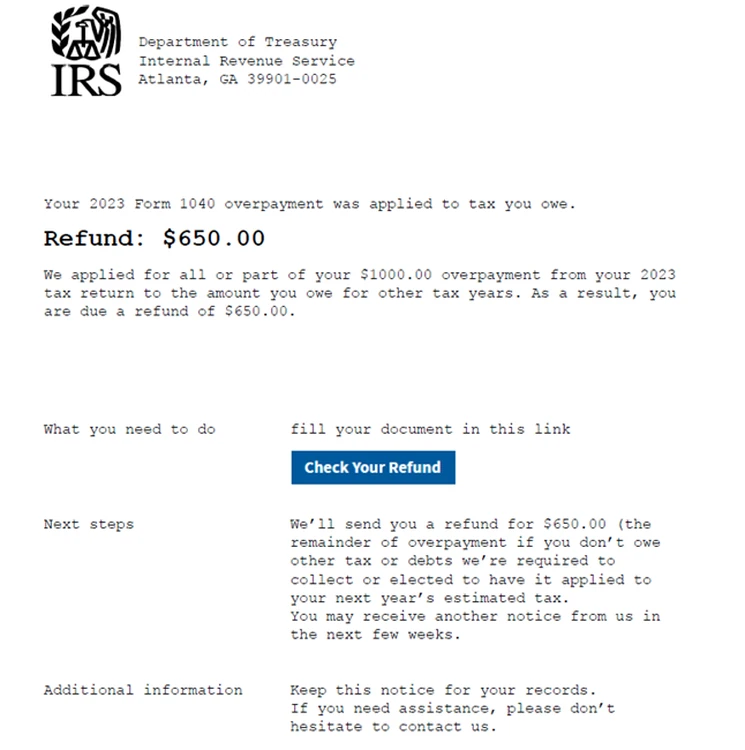
Pay close attention to your next property tax bill. Your home may be worth less than the local tax assessor believes and that could mean a smaller property tax bill. However, unless the assessor takes it upon himself or herself to update property values, against which taxes are typically levied, it's up to you to appeal your tax bill. Pay particular attention to the fact that property tax systems vary widely from jurisdiction to jurisdiction. Property taxes are typically based on some assessed value of your property, but that's where the similarity ends. How property values are actually assessed, how that assessed value is taxed, the length of time between assessments, the process to appeal the assessment and the laws that govern it all, are all as local as your real estate market. You must visit your local jurisdiction to learn the local system, its rules and your rights to appeal. Don't assume the assessor isn't already at work for you, but also don't assume he or she is. The Federation of Tax Administrators can point you to your property tax assessor or administrator where you can get all the details you need for appealing your property tax. Right now is a good time to take stock of your property tax bill. Generally, when home prices rise, so do property taxes. The opposite is also true, when home values fall, so do property taxes. Today's increased incidence of foreclosures, slow sales and lender reluctance to finance the full value of a home make it obvious that home values are down in many locations. The previous housing boom frenzy caused many buyers to bid up the price of the property and artificially inflate the value. In some markets, sellers who purchased homes at the height of the boom and must now sell, are finding they have to price their home to move. That causes home value declines. The National Taxpayers Union (NTU) reported that as many as 60 percent of all homes are over-assessed and not in line with their actual value -- and that was during boom times. Also many errors are clerical mistakes according to the American Homeowners Association (AHA). The vast majority of homeowners who find errors and contest their bill enjoy a lower property tax, says the AHA, which offers a quiz that points to signals your home could be over assessed. Tell-tale signs include: Errors in the description of your property on the tax bill. Compatible homes in the area that have sold for less than your appraised value. Neighbors with lower assessments on similar houses. Some homes retain the same assessed value for years and assessed values often don't rise in step with market values or home sale prices. Value reducers in your home or area, including drainage problems, easements, re-zoning, heavy traffic, nearby railroad tracks, freeways, industry or toxic waste. Depreciation factors, including age, the quality of materials, inefficient heating, structural cracks, deterioration, or chronic defects. The AHA's kit is a good deal because it's an informative package that is free. NTU's costs $7, but likewise remains a bargain from an independent non-commercial source. However, your local jurisdiction has all the information you need to appeal your property tax assessment and it's a good bet that information and the process is free. Watch out for private, sometimes questionable property tax reduction operations charging larger fees and promises. Avoid official-looking mailings and email come-ons that offer to do the work for you -- for a fee -- with "guarantees." Some are out right scams appealing to your sense of dread at going it alone. They want only your money and have no plans to appeal your property tax assessment. In any event, you can wait until your assessment arrives or visit your property tax assessor's office to examine your account. When you do, consider the following questions: Did you buy your home in a bidding war? Yesterday's over-valued property is today's over-assessed property. Are there errors in your tax records? Look closely at your records and make sure there aren't reporting errors. A condo listed as a single-family home, an incorrect age, square footage that's off, too many rooms and other descriptive factors could falsely boost assessed value. Do the math. Some tax laws put a cap on how much above the market value an assessment can be and how much it can rise each year. An appeal that results in a reduced assessed value, may not be permanent. You could quickly return to your higher value, market conditions permitting. To appeal the assessed value and related property tax, prepare yourself for a tough row. You may even have to appeal an initial rejection. First, pay close attention to your local rules' period of time when you must complete the appeals process. Even if the process is free if you go it alone, you may need the help of a real estate agent, realty attorney or other licensed professional to assist you gathering some of the evidence you'll need to make your case. You'll have to look at comparable homes in your community to determine how much the owners are paying for property taxes. The information is largely public and available from your tax assessor's office. You'll typically have to find at least three other comparable homes in your neighborhood that have lower assessments. Obviously, the lower, the better. A real estate agent or other professional who has access to the multiple listing service can do a comparable market analysis of homes recently sold and in escrow to hone in on your home's true value -- something you may not be able to accomplish with older public records. An appraiser with multiple listing service access can do the same, as well as perform an appraisal of your home. In either case, you could be out a few hundred dollars for professional assistance. Don't make a case if you don't think it's worth the cost to appeal. The AARP also says some states have programs for property tax deferrals and other programs that let certain home owners postpone payment of some or all property taxes. There are also some tax rebates and exemptions. Don't forget, property taxes are also one of many home ownership related expenses that qualify for a deduction on your income tax returns. The smaller the tax, the smaller the deduction.
--- Report Your Experience
|
|||||||||||||
Back to the top | |
||||||||||||||
Advertisement
|
|
Custom Search
|
||||
|
AUTOMOTIVE Dealers Manufacturers Service Extended Warranties Lemon Laws Recalls Tires Transporters FAMILY Aging Children, Parenting Recalls Dating Education Entertainment Pets Weddings |
FINANCE Annuities Banks Credit Cards Debt Collection Debt Counseling Insurance Investing Loans Mortgages Payday Loans Student Loans Tax Prep HEALTH Doctors Drugs, Pharmacies Health Clubs Hearing Care Hospitals Nursing Homes Nutrition, Diets Vision Care Weight Loss |
HOUSE & HOME Appliances Cookware Furniture Home Improvements Lawn & Garden Movers Pools & Spas Realtors, Rental Agents Recalls Utilities ELECTRONICS Cable TV/DBS Cameras Cell Phones Computers Home Electronics Internet Access Local Phone Service Long Distance VoIP |
SHOPPING In-Home Online Retail Stores Sporting Goods Supermarkets Telemarketers TRAVEL Airlines Bus Lines Car Rental Cruises Hotels Travel Agents Trains RESOURCES Class Actions Complaint Form Small Claims Guide Lemon Laws |
CONSUMER NEWS Latest News Automotive Telecom Financial Health Homeowners Scams Seniors Travel More ... RECALLS Automotive Children's Products Drugs Food Household Products Sporting Goods ABOUT US FAQ Privacy Policy Advertise With Us Newsroom Syndication Terms of Use |
Terms of Use Your use of this site constitutes acceptance of the Terms of Use
Copyright © 2003-2009 ConsumerAffairs.com Inc. All Rights Reserved. The contents of this site may not be republished, reprinted, rewritten or recirculated without written permission. |
|