|
|
NEWS
RECALLS
COMPLAINT FORM
SCAM ALERTS
RESOURCES
Small Claims Guide Class Actions Lemon Laws FAQ Newsletters |
Share |
| Automotive Education Employment Electronics Family Finance Health Homeowners Insurance Pets Shopping Travel |
|
|
|
![]() |
Duke Study Not Sweet on SplendaStudy finds Splenda contributes to weight gain, may cause other health problems |
|||||||||||||
|
By Truman Lewis September 23, 2008
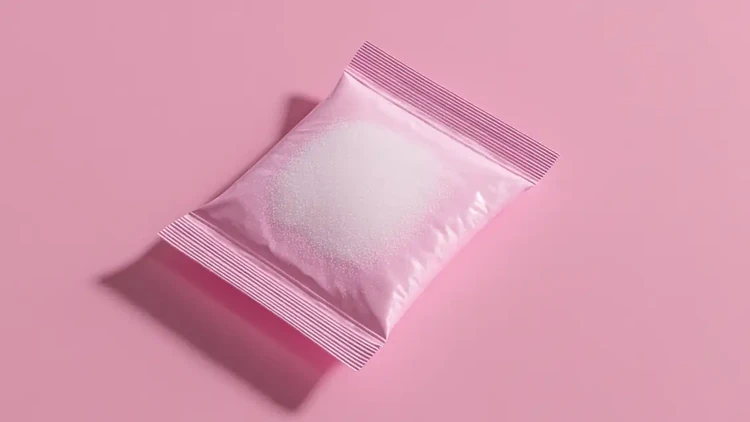
It's the latest in a continuing round of studies, claims and counter-claims pitting artificial sweeteners against the powerful Sugar Association, the lobbying group for the sugar industry, which financed the Duke study. McNeil Nutritionals, which manufactures Splenda, said the study's findings were "unsupported by the data presented" and said Splenda may be safely used "as part of a healthy diet." The study is scheduled to be published in a forthcoming issue of The Journal of Toxicology and Environmental Health. An advance copy appears on its Web site. A Minneapolis-based group called Citizens for Health said the Duke study demonstrates that Splenda is a health threat. The group, headed by attorney Jim Turner, has been collecting consumer reports of side effects supposedly caused by Splenda. "The report makes it clear that the artificial sweetener Splenda and its key component sucralose pose a threat to the people who consume the product. Hundreds of consumers have complained to us about side effects from using Splenda and this study ... confirms that the chemicals in the little yellow package should carry a big red warning label," said Turner. Turner's group has filed a petition with the U.S. Food and Drug Administration (FDA) calling on it to review its approval of sucralose and to require a warning label on Splenda packaging cautioning that people who take medications or have gastrointestinal problems avoid using Splenda. "The new study makes it clear that Splenda can cause you to gain weight and lose the benefits of medications designed to improve and protect your health. The FDA should not continue to turn a blind eye to this health threat," Turner said. In February, a study published in Behavioral Neuroscience cites laboratory evidence that the widespread use of no-calorie sweeteners may actually make it harder for people to control their intake and body weight. McNeil and the Sugar Association have been waging war in the courts and the public arena for years. In 2004, the association sued McNeil, claiming it had misled consumers by claiming that Splenda was "made like sugar, so it tastes like sugar." Splenda's main ingredient -- sucralose -- is manufactured. The process involves the use of a sugar molecule but there is no sugar in the finished product. The Duke study was conducted on rats over a 12-week period. A lead researcher, Dr. Mohamed B. Abou-Donia, said the Sugar Association had no input into the study's findings. Earlier studyIn the February study, psychologists at Purdue University’s Ingestive Behavior Research Center reported that compared with rats that ate yogurt sweetened with sugar, those given yogurt sweetened with zero-calorie saccharin later consumed more calories, gained more weight, put on more body fat, and didn’t make up for it by cutting back later. Authors Susan Swithers, PhD, and Terry Davidson, PhD, theorize that by breaking the connection between a sweet sensation and high-calorie food, the use of saccharin changes the body’s ability to regulate intake. That change depends on experience. Problems with self-regulation might explain in part why obesity has risen in parallel with the use of artificial sweeteners. It also might explain why, says Swithers, scientific consensus on human use of artificial sweeteners is inconclusive, with various studies finding evidence of weight loss, weight gain or little effect. Because people may have different experiences with artificial and natural sweeteners, human studies that don’t take into account prior consumption may produce a variety of outcomes. Three different experiments explored whether saccharin changed lab animals’ ability to regulate their intake, using different assessments -- the most obvious being caloric intake, weight gain, and compensating by cutting back. Body temperatureThe experimenters also measured changes in core body temperature, a physiological assessment. Normally when we prepare to eat, the metabolic engine revs up. However, rats that had been trained to respond using saccharin (which broke the link between sweetness and calories), relative to rats trained on glucose, showed a smaller rise in core body temperate after eating a novel, sweet-tasting, high-calorie meal. The authors think this blunted response both led to overeating and made it harder to burn off sweet-tasting calories. “The data clearly indicate that consuming a food sweetened with no-calorie saccharin can lead to greater body-weight gain and adiposity (fat) than would consuming the same food sweetened with a higher-calorie sugar,” the authors wrote. The authors acknowledge that this outcome may seem counterintuitive and might not come as welcome news to human clinical researchers and health-care practitioners, who have long recommended low- or no-calorie sweeteners. What’s more, the data come from rats, not humans. However, they noted that their findings match emerging evidence that people who drink more diet drinks are at higher risk for obesity and metabolic syndrome, a collection of medical problems such as abdominal fat, high blood pressure and insulin resistance that put people at risk for heart disease and diabetes. But why?Why would a sugar substitute backfire? Swithers and Davidson wrote that sweet foods provide a “salient orosensory stimulus” that strongly predicts someone is about to take in a lot of calories. Ingestive and digestive reflexes gear up for that intake but when false sweetness isn’t followed by lots of calories, the system gets confused. Thus, people may eat more or expend less energy than they otherwise would. The good news, Swithers says, is that people can still count calories to regulate intake and body weight. However, she sympathizes with the dieter’s lament that counting calories requires more conscious effort than consuming low-calorie foods. Swithers adds that based on the lab’s hypothesis, other artificial sweeteners such as aspartame, sucralose and acesulfame K, which also taste sweet but do not predict the delivery of calories, could have similar effects. Finally, although the results are consistent with the idea that humans would show similar effects, human study is required for further demonstration. Report Your Experience
|
|||||||||||||
Advertisement
|
|
Custom Search
|
||||
|
AUTOMOTIVE Dealers Manufacturers Service Extended Warranties Lemon Laws Recalls Tires Transporters FAMILY Aging Children, Parenting Recalls Dating Education Entertainment Pets Weddings |
FINANCE Annuities Banks Credit Cards Debt Collection Debt Counseling Insurance Investing Loans Mortgages Payday Loans Student Loans Tax Prep HEALTH Doctors Drugs, Pharmacies Health Clubs Hearing Care Hospitals Nursing Homes Nutrition, Diets Vision Care Weight Loss |
HOUSE & HOME Appliances Cookware Furniture Home Improvements Lawn & Garden Movers Pools & Spas Realtors, Rental Agents Recalls Utilities ELECTRONICS Cable TV/DBS Cameras Cell Phones Computers Home Electronics Internet Access Local Phone Service Long Distance VoIP |
SHOPPING In-Home Online Retail Stores Sporting Goods Supermarkets Telemarketers TRAVEL Airlines Bus Lines Car Rental Cruises Hotels Travel Agents Trains RESOURCES Class Actions Complaint Form Small Claims Guide Lemon Laws |
CONSUMER NEWS Latest News Automotive Telecom Financial Health Homeowners Scams Seniors Travel More ... RECALLS Automotive Children's Products Drugs Food Household Products Sporting Goods ABOUT US FAQ Privacy Policy Advertise With Us Newsroom Syndication Terms of Use |
Terms of Use Your use of this site constitutes acceptance of the Terms of Use
Copyright © 2003-2009 ConsumerAffairs.com Inc. All Rights Reserved. The contents of this site may not be republished, reprinted, rewritten or recirculated without written permission. |
|