|
CONSUMER NEWS RECALLS COMPLAINT FORM SCAM ALERTS |
| Small Claims Guide | Class Actions | Lemon Law | FAQ | Resources | Newsletters | Spanish | |
|
|
![]() |
Rising Gas Prices Drive Search for SavingsScams abound, but so do some simple gas-saving measures |
|||||
|
By Lisa Wade McCormick May 5, 2008
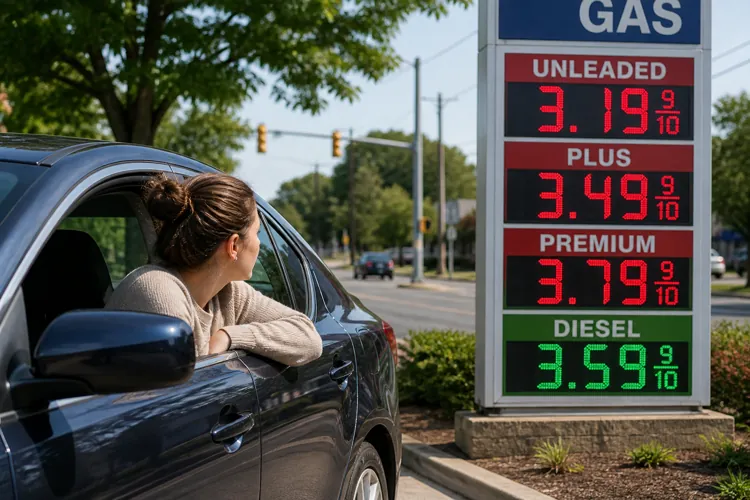
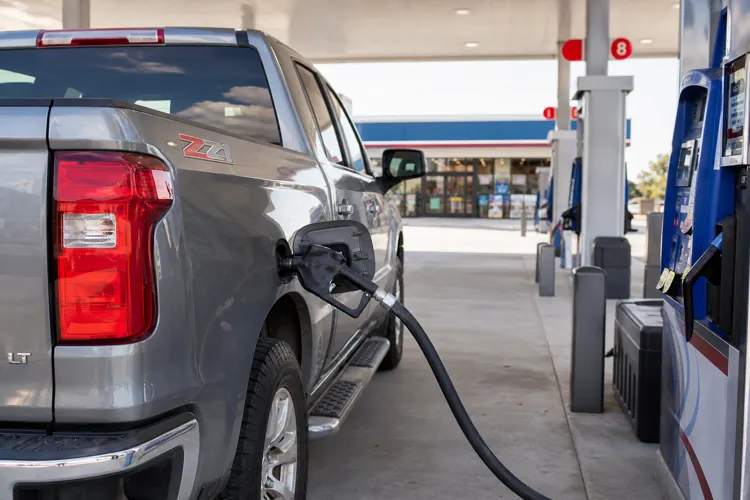
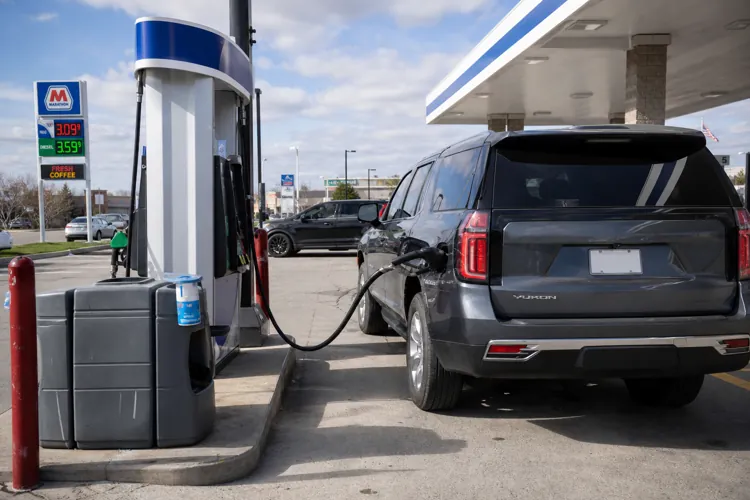
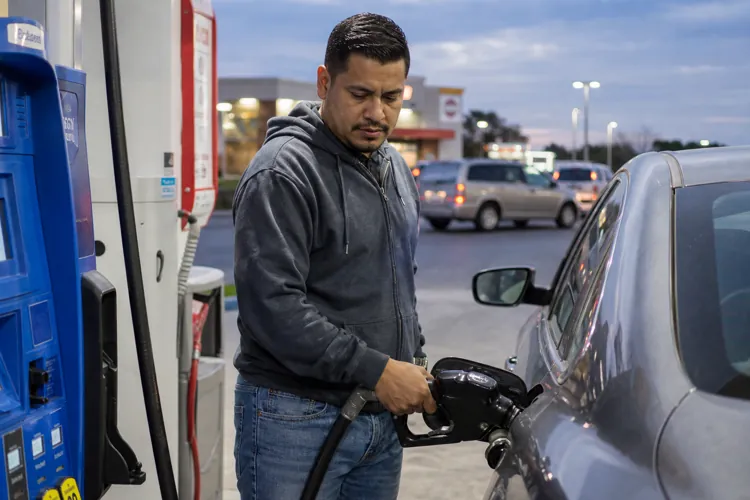
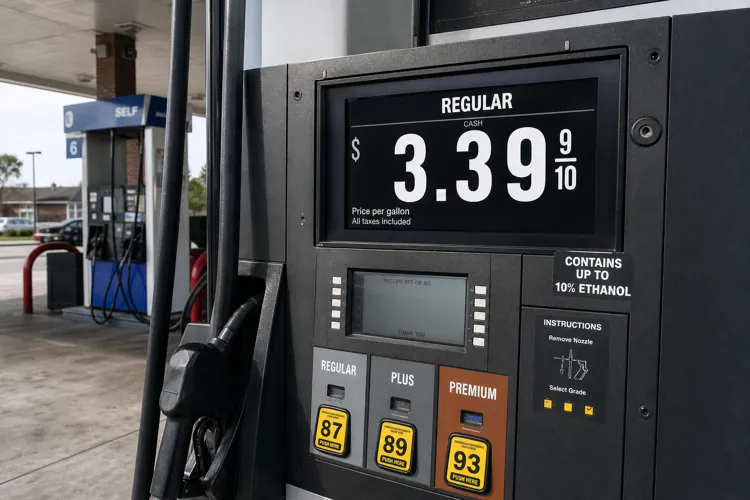
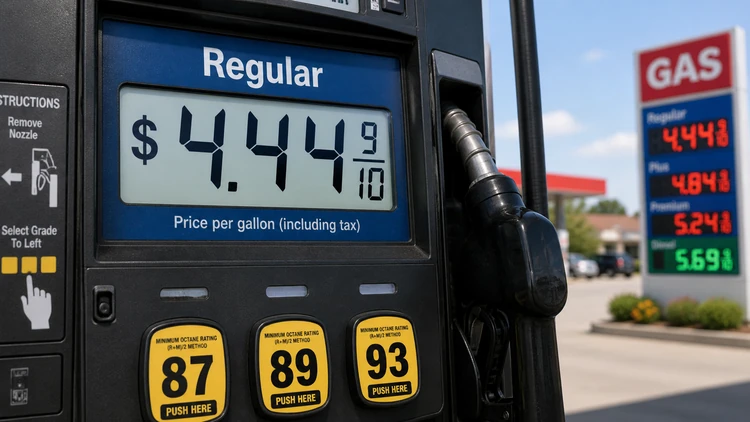
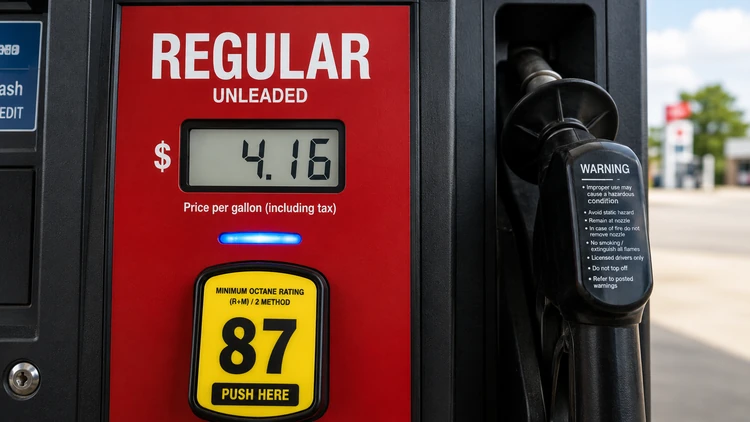
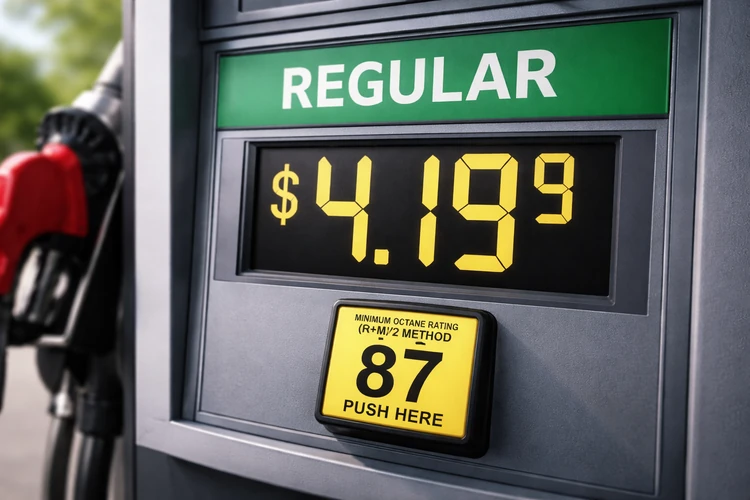
Figures released today by The American Automobile Association (AAA) reveal the average price of regular unleaded gasoline jumped 30 cents a gallon in the past month. AAA estimates the average national price for unleaded gasoline is now $3.61 a gallon. That's up 30 cents a gallon in the past 30 days -- and 60 cents in the past year.
The average national prices for premium and diesel gasoline have also skyrocketed. Premium gas now averages $3.97 a gallon – that's a 33-cent-a-gallon jump in the past month, up 64 cents a gallon in the past year. Diesel fuel has also risen sharply. It now averages a staggering $4.23 a gallon – up 21 cents in the past month. The price of diesel has soared $1.31 a gallon in the past year. How to saveThe Consumer Federation of America (CFA) recommends the following ten steps consumers can take to save an average of 35 cents a gallon: Slow down: CFA says consumers can cut their cars' fuel consumption by 7 percent simply by driving 5 mph slower on the highway. Consumers, for example, who drive 70 mph on the highway could save 25 cents a gallon by reducing their speed to 65 mph; Check the oil filter: CFA says a clean oil filter can improve gas mileage by 10 percent. The group says changing a dirty oil filter can save 34 cents a gallon – or keep you on the road for 23 more miles on a tank of gas; Fix the alignment: CFA says poor alignment forces a car's engine to work harder. That can reduce its mileage by as much as 10 percent. The group says fixing a car's alignment could save 35 cents a gallon; Get a tune up: CFA says a properly tuned engine can improve gas mileage by 4 percent – or 14 cents a gallon; Pump up your tires: CFA says more than one-fourth of vehicles don't have properly inflated tires. Tires that are properly inflated can cut your fuel costs by 10 cents a gallon; Check the gas cap: CFA estimates that nearly 17 percent of cars on the road today have broken or missing gas caps. This reduces gas mileage and could harm the environment. Fixing or replacing a faulty gas cap can save consumers 3 cents a gallon; Reduce the weight in your car: CFA says that every extra 100 pounds in a vehicle cuts its fuel efficiency by 1 to 2 percent. Every 100 pounds you unload will save 4 cents a gallon; Drive more smoothly: CFA says consumers who accelerate and decelerate more smoothly can potentially save 33 percent on their fuel costs on the highway -- and 5 percent around town. Erratic drivers can save as much as 62 cents per gallon if they drive more smoothly; Don't ride the brakes: CFA says driving with your foot on the brake can decrease your car's fuel efficiency by 35 percent. It also wears out your brakes. Consumers who stop driving with their feet on the brakes can save as much as $1.19 per gallon; Stop idling: For every two minutes that you don't let your car idle, you will save nearly 1 cent a gallon, according to CFA. The organization recommends consumers turn off their cars' engines if they're stopped off the road for more than 30 seconds; 13% solutionJack Gillis, CFA's director of public affairs, says consumers will see real savings in their pocketbooks if they follow these recommendations. "We estimate that if Americans practiced these tips, gas mileage could be improved in total by about 13 percent," he says. Automotive experts also recommend that consumers buy gasoline during the coolest parts of the day – early morning or late evening -- because fuel expands when it is hot. Consumers should also avoid over-filling their gas tanks, experts say. That can waste fuel because it may slosh out of the tank. The Federal Trade Commission (FTC) also warns consumers to steer clear of "gas-saving" gadgets. Some of these products claim they can improve a car's fuel efficiency by 20 percent. But the Environmental Protection Agency (EPA) has tested more than 100 gas-saving products and "has not found any product that significantly improves gas mileage," according to the FTC. Some of the gadgets may even damage a car's engine or increase exhaust emissions, the EPA found. FTC officials also warn that some companies may claim their gas-saving devices are approved by the Federal government. "No government agency endorses gas-saving products for cars," the FTC says. Consumers can track the fluctuating gasoline prices in their state on the AAA Web site.Such a dealAnd here's some good news to keep in mind the next time you fill up your tank. Gasoline prices in the United States are still a deal compared to those overseas. Consider these recent figures compiled by the McClatchy Newspaper group:
Report Your Experience
|
|||||
Back to the top | |
||||||
Advertisement
|
Home |
Rogues Gallery |
Good Guys |
Complaint Form |
News |
Recalls |
Search |
Video |
FAQ |
|
Terms of Use Your use of this site constitutes acceptance of the Terms of Use
Copyright © 2003-2008 ConsumerAffairs.com Inc. All Rights Reserved. |