Cats and birds aren't exactly similar but they're both proving to be susceptible to avian influenza A (H5N1) -- bird flu in other words. Since the bird flu outbreak began in March 2024, dozens of cats are known to have contracted the virus.
It's not just your neighbor's tabby that's at risk. Barn and feral cats, indoor cats and big cats like mountain lions and tigers are all susceptible, according to the American Veterinary Medical Association (AVMA).
Cats are not necessarily more likely to catch the virus but they are more likely to become seriously ill, the AVMA said.
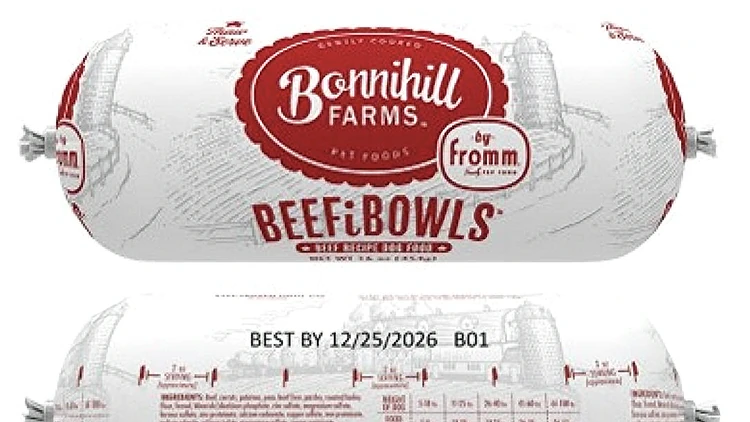
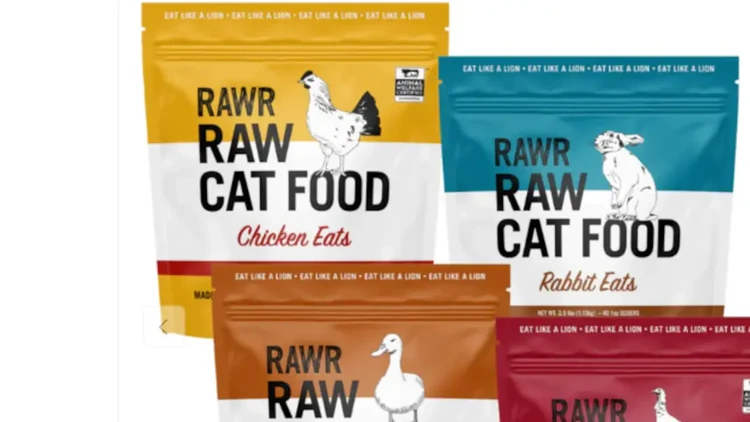
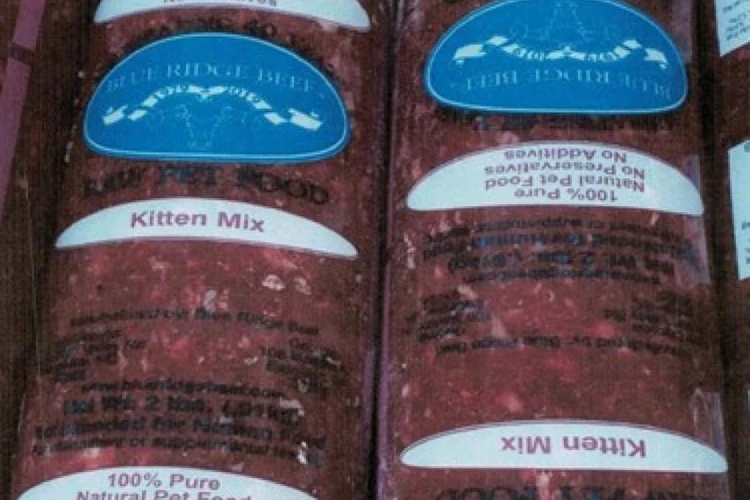
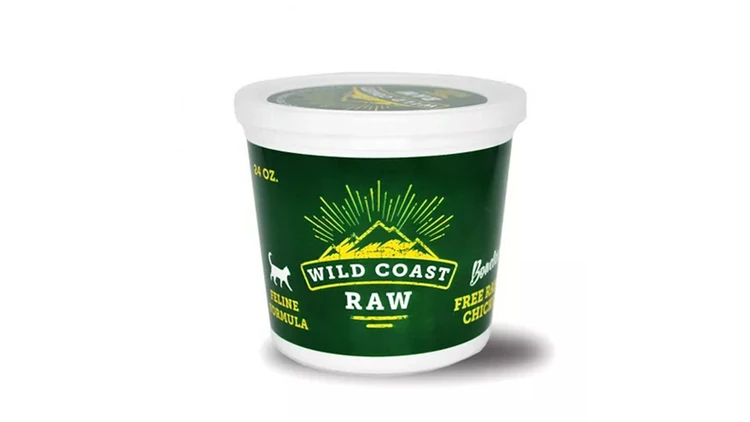
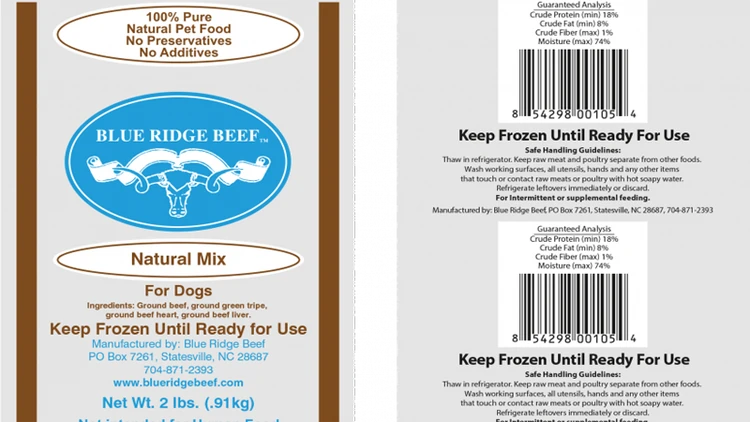
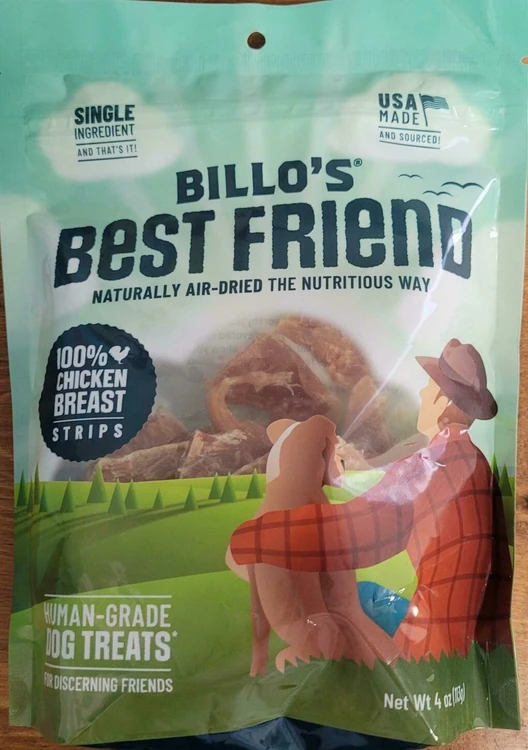
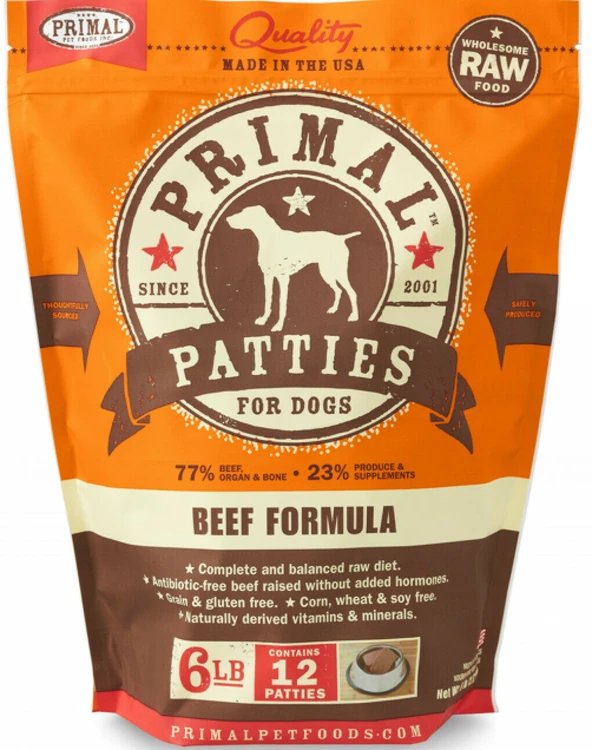
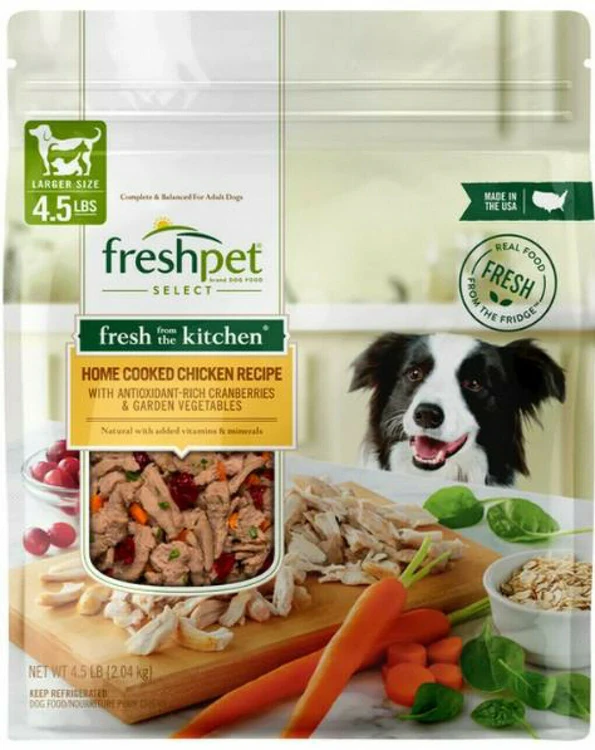
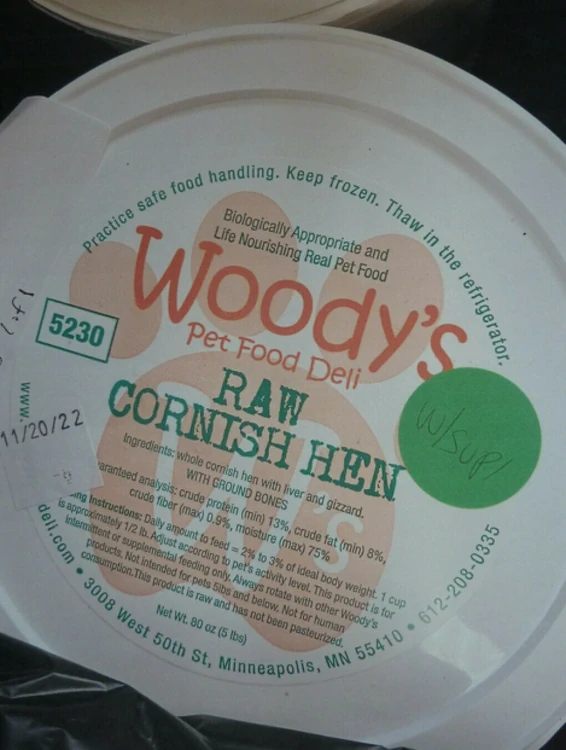
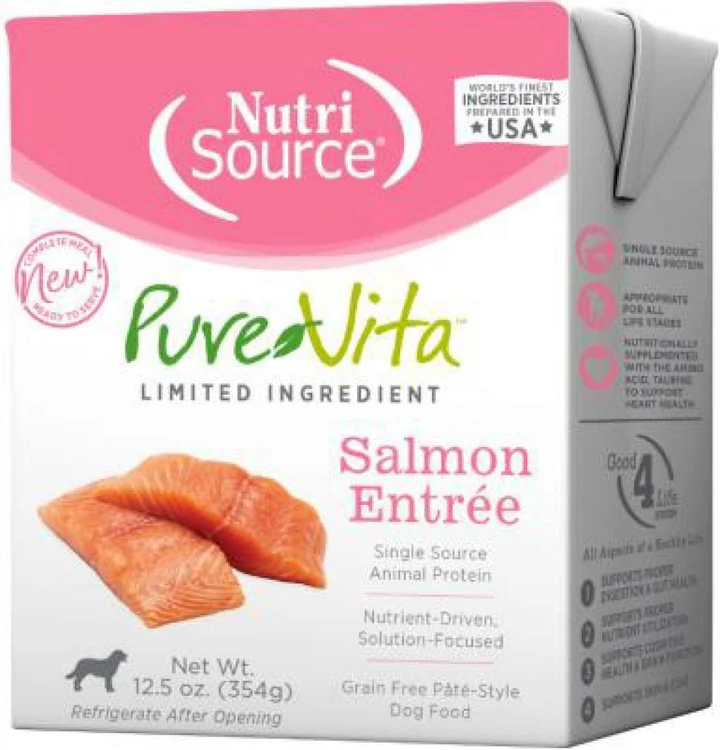
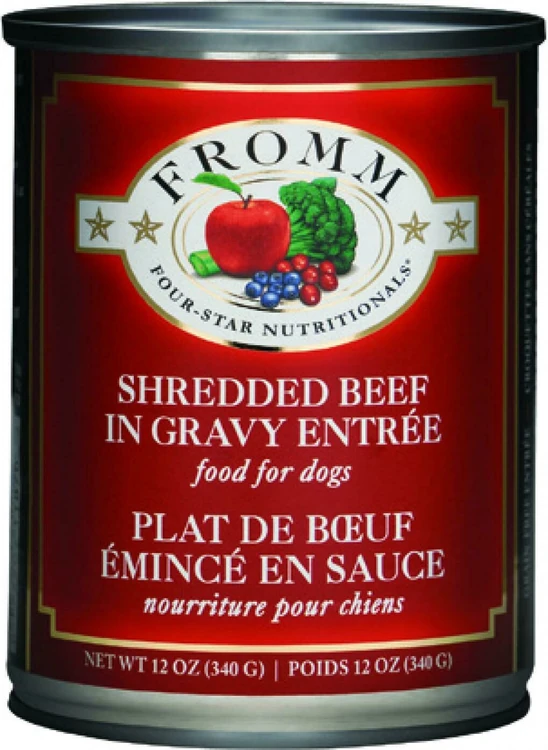
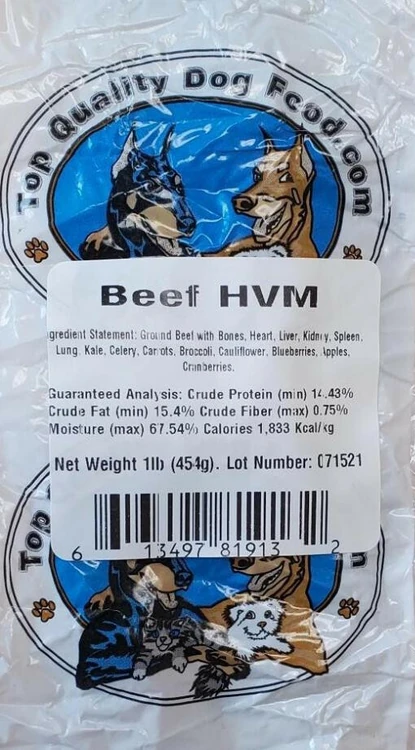
The biggest risk factor for indoor cats appears to be raw diets, those that include unpasteurized milk and raw or undercooked meat -- including commercially available raw pet food. Some pet food makers have conducted product recalls and federal officials are imposing new pet food safety rules.
Bird flu “is an emerging contaminant in animal food,” Dr. Steve Grube, a chief medical officer at the U.S. Food and Drug Administration, said at a recent briefing, according to The New York Times.
California and Oregon have reported bird flu cases in cats fed raw milk or pet food.
How the virus is getting into pet food isn't clear but an FDA spokesman said last week that some samples appeared to be closely related genetically to samples from turkey farms in Minnesota.
Cats can also be infected by being exposed to infected wild birds or poultry and to people who work on farms where they might come in contact with infected birds or other animals.
The good news about bird flu in cats is that they appear to be dead-end hosts for the disease, meaning that they don't pass it on to humans or other animals.
What to do
How can you prevent your cat from catching bird flu? Here's what the AVMA recommends:
- Refrain from feeding cats any dairy products or colostrum that have not first been pasteurized or thoroughly cooked to kill the virus.
- Thoroughly cook meat before feeding, and avoid feeding raw meat-based treats or diets.
- Keep cats indoors to prevent exposure to birds and other wildlife.
- Avoid contact with sick or dead birds and other wildlife yourself.
- Keep cats away from livestock, poultry, and their environments, especially in areas with known H5N1 outbreaks.
- Take steps to prevent contact between captive big cats and wild birds (e.g., covering enclosures with netting and removing bird attractants nearby) in areas where H5N1 is circulating.
- Thoroughly wash your hands after handling your cat and after any encounters with poultry, livestock, or wild birds and other animals.
- Change your clothes and shoes, and thoroughly wash any exposed skin, after interacting with sick or dead animals that may harbor the H5N1 virus, and before interacting with your cat.
- Immediately contact your veterinarian if you notice signs of H5N1 or think your cat might have been exposed to the virus.
What are the symptoms
Illness may start with loss of appetite, lethargy, and fever, then quickly progress, with cats exhibiting:
- Neurologic signs (e.g., ataxia, circling, tremors, seizures, or blindness)
- Severe depression
- Copious nasal discharge
- Other respiratory signs, including tachypnea, dyspnea, and possibly sneezing or coughing
If your cat has neurological symptoms, the vet should consider rabies as a possible diagnosis.
What about dogs?
Dogs appear to be less susceptible to the virus than cats or birds and generally have milder symptoms but contaminated food is risky for canines too, veterianarians warn.
What's being done?
The FDA last week announced that pet food manufacturers were being required to "reanalyze their food safety plans to include Highly Pathogenic Avian Influenza virus (specifically H5N1) as a known or reasonably foreseeable hazard."
The FDA is tracking cases of H5N1 in domestic and wild cats in California, Colorado, Oregon and Washington State that are associated with eating contaminated food products.
"As we learn more about the transmission of H5N1 in animal food, there are several practices that the FDA is encouraging pet food manufacturers and others in the supply chain to use to significantly minimize or prevent H5N1 transmission through animal food," the agency said in an advisory.
"These practices include seeking ingredients from flocks or herds that are healthy, and taking processing steps, such as heat treatment, that are capable of inactivating viruses."