|
|
NEWS
RECALLS
COMPLAINT FORM
SCAM ALERTS
RESOURCES
Small Claims Guide Class Actions Lemon Laws FAQ Newsletters |
|
| Automotive Education Employment Electronics Family Finance Health Homeowners Insurance Pets Shopping Travel |
|
|
|
|
TRAVEL
Airlines |
Bus Lines |
Car Rental |
Cruises |
Destinations |
Hotels |
Timeshares |
Travel Agents |
Trains
|
![]() |
New Airport X-Ray Machines May See Too Much |
||||||||
|
By Dan Schlossberg December 4, 2006
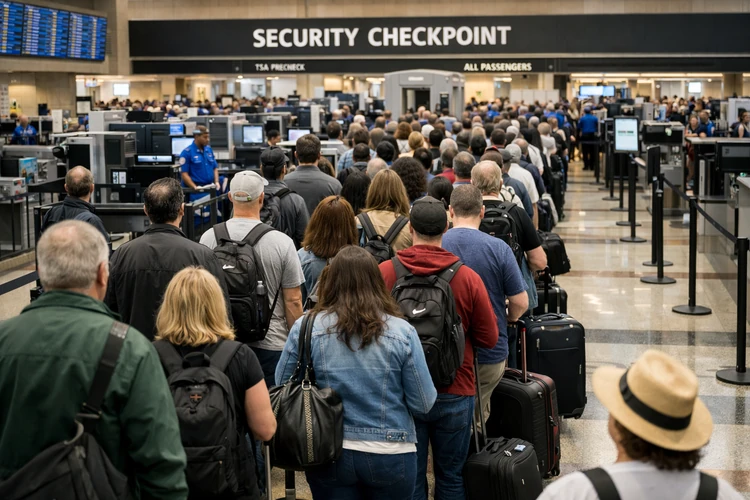
Now, for the first time, millions of air travelers may be asking themselves a similar question as they pass through airport security: new enhanced machines, though much more adept at finding hidden weapons, may also be revealing much more. That's why the Transportation Security Administration (TSA), wrestling with potential privacy issues, has waited four years to introduce them. That time has come, albeit in a limited test: Phoenix Sky Harbor, the nation's eighth-busiest airport, will get the new "backscatter" machines by year's end and an airport-to-be-named-later will be added to the trial. At first, the new technology will only be used for passengers who need extra screening or are randomly selected. Those people will be allowed to choose either a pat-down from a TSA official or a scan from the machine, which will photograph them from the front and the back. In addition to finding more prohibited contraband, the machines have the potential to speed up the security process. That also makes them likely future replacements for the metal detectors now in use. But privacy issues have to be worked out first. The TSA says the machines are designed to blur body parts while still finding weapons with pinpoint accuracy. But there's also a concern that blurred images might make detection of non-metal weaponry, such as plastic explosives, more difficult. Backscatter machines, already used by Customs inspectors to search for drugs, are also being considered for big-city train and subway stations. Before widespread distribution of the technology, however, the TSA wants feedback from Phoenix -- from both security officers and passengers. The machine coming to the Arizona airport is made by American Science and Engineering of Massachusetts. The TSA is also testing a similar device that uses electromagnetic waves. Report Your Experience
|
||||||||
Back to the top | |
|||||||||
Advertisement
|
|
Custom Search
|
||||
|
AUTOMOTIVE Dealers Manufacturers Service Extended Warranties Lemon Laws Recalls Tires Transporters FAMILY Aging Children, Parenting Recalls Dating Education Entertainment Pets Weddings |
FINANCE Annuities Banks Credit Cards Debt Collection Debt Counseling Insurance Investing Loans Mortgages Payday Loans Student Loans Tax Prep HEALTH Doctors Drugs, Pharmacies Health Clubs Hearing Care Hospitals Nursing Homes Nutrition, Diets Vision Care Weight Loss |
HOUSE & HOME Appliances Cookware Furniture Home Improvements Lawn & Garden Movers Pools & Spas Realtors, Rental Agents Recalls Utilities ELECTRONICS Cable TV/DBS Cameras Cell Phones Computers Home Electronics Internet Access Local Phone Service Long Distance VoIP |
SHOPPING In-Home Online Retail Stores Sporting Goods Supermarkets Telemarketers TRAVEL Airlines Bus Lines Car Rental Cruises Hotels Travel Agents Trains RESOURCES Class Actions Complaint Form Small Claims Guide Lemon Laws |
CONSUMER NEWS Latest News Automotive Telecom Financial Health Homeowners Scams Seniors Travel More ... RECALLS Automotive Children's Products Drugs Food Household Products Sporting Goods ABOUT US FAQ Privacy Policy Advertise With Us Newsroom Syndication Terms of Use |
Terms of Use Your use of this site constitutes acceptance of the Terms of Use
Copyright © 2010 ConsumerAffairs.com Inc. All Rights Reserved. The contents of this site may not be republished, reprinted, rewritten or recirculated without written permission. |
|