|
|
NEWS
RECALLS
COMPLAINT FORM
SCAM ALERTS
RESOURCES
Small Claims Guide Class Actions Lemon Laws FAQ Newsletters |
| Automotive Education Employment Electronics Family Finance Health Homeowners Pets Shopping Travel |
|
|
![]() |
Michigan Credit Card Mystery DeepensIs It the Newest "Worst Hack Ever?" |
|||||
|
By Martin H. Bosworth November 23, 2006
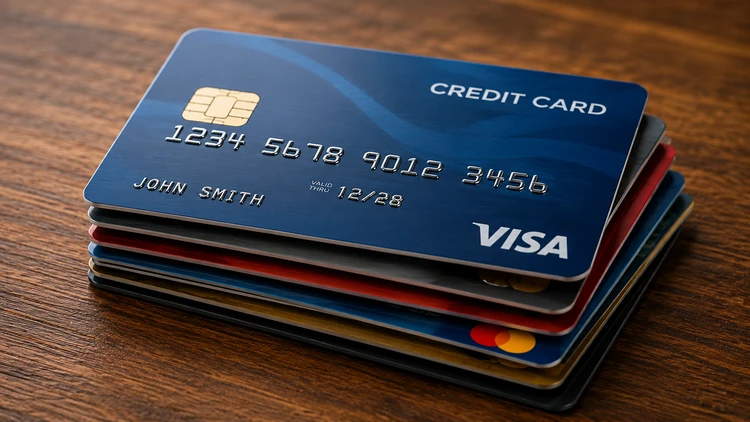
The Muskegon-based company warned that transactions that took place between July 25th and September 7th of this year might have been affected, and said it was working with local and federal authorities to determine what happened. Wesco said it was made aware of the fraud not by irate customers, but by the banks themselves. Financial institutions had contacted Wesco to point out irregularities that might indicate fraud. That would have been the end of it, normally, but numerous banks and credit unions are now canceling and reissuing cards to their customers as a result of fraud -- and those incidents may be linked to the still-unsolved breach at Wesco. Financial institutions in the Muskegon area, such as the Community Shores Bank and the Family Financial Credit Union, have issued new cards to a combined total of over 1,500 customers after several incidents of card fraud were reported beginning Nov. 9th. Reports indicated that the fraudulent transactions were carried out with physical cards, rather than online transactions that just process a card number. Cincinnati-based Fifth Third Bancorp disclosed on Nov. 16th that it, too, was reissuing cards to a number of its customers based on unspecified instances of fraud. The bank received notification from MasterCard of the problem, but the card issuer refused to disclose details of the breach even to the bank itself. The most MasterCard would do was admit that the breach was centered around an unidentified "Michigan retailer." Both card issuers and Wesco have remained silent on details of the gas retailer's involvement in the fraud, how many customers might have been affected, and why it took so long for anything to be done about it. Deja VuThe Wesco mystery bears a strong resemblance to the security breach that forced Citibank to shut down thousands of its cards and reissue them. The bank claimed the shutdown was a result of a breach in its system. Further investigation indicated that hackers might have stolen cardholders' PIN data from a third-party payment processor, and used the data to encode "clone" cards with which they could drain their targets' checking accounts at will. Visa finally admitted that a problem with a contracted processing company contributed to the breach after yet another recall incident, but refused to identify the company or explain why it waited so long to inform the public. The lack of information surrounding debit and credit card fraud incidents is partially due to the desire to avoid bad publicity. No retailer or payment company wants to be known as the next CardSystems, and the market power of card issuers such as Visa and MasterCard means they can act with relative impunity when it comes to hiding the truth about security breaches. Numerous incidents involving breaches of bank security also demonstrate that there are major vulnerabilities at every level of a plastic transaction, from withdrawing money to buying goods online. Smart fraudsters will often wait weeks or months before utilizing stolen credit card data, usually long after a business ceases to be concerned about an incident. Many will use the data in ways that can't be easily detected, such as encoding hotel keys with stolen credit card info, and using the "clone cards" for small transactions that wouldn't indicate fraud. What You Can Do Use credit cards, not debit cards, for plastic purchases. Federal law limits
cardholder liability for fraudulent transactions to $50 for credit
cards. Although there are moves being made to extend this protection
to debit cards, it's still safer to restrict your debit card usage to
taking money out of an ATM.
Report Your Experience
|
|||||
Back to the top | |
||||||
Advertisement
|
|
Custom Search
|
||||
|
AUTOMOTIVE Dealers Manufacturers Service Extended Warranties Lemon Laws Recalls Tires Transporters FAMILY Aging Children, Parenting Recalls Dating Education Entertainment Pets Weddings |
FINANCE Annuities Banks Credit Cards Debt Collection Debt Counseling Insurance Investing Loans Mortgages Payday Loans Student Loans Tax Prep HEALTH Doctors Drugs, Pharmacies Health Clubs Hearing Care Hospitals Nursing Homes Nutrition, Diets Vision Care Weight Loss |
HOMEOWNERS & RENTERS Appliances Cookware Furniture Home Improvements Lawn & Garden Movers Pools & Spas Realtors, Rental Agents Recalls Utilities ELECTRONICS Cable TV/DBS Cameras Cell Phones Computers Home Electronics Internet Access Local Phone Service Long Distance VoIP |
SHOPPING In-Home Online Retail Stores Sporting Goods Supermarkets Telemarketers TRAVEL Airlines Bus Lines Car Rental Cruises Hotels Travel Agents Trains RESOURCES Class Actions Complaint Form Small Claims Guide Lemon Laws |
CONSUMER NEWS Latest News Automotive Telecom Financial Health Homeowners Scams Seniors Travel More ... RECALLS Automotive Children's Products Drugs Food Household Products Sporting Goods ABOUT US FAQ Privacy Policy Advertise With Us Newsroom Syndication Terms of Use |
Terms of Use Your use of this site constitutes acceptance of the Terms of Use
Copyright © 2003-2009 ConsumerAffairs.com Inc. All Rights Reserved. The contents of this site may not be republished, reprinted, rewritten or recirculated without written permission. |
|