CONSUMER NEWS    RECALLS    COMPLAINT FORM    SCAM ALERTS  


Complain about a product or service

Small Claims Guide | Class Actions | Lemon Law | FAQ | Resources | Newsletters | Spanish
Automotive    Education    Electronics    Family    Finance    Health    Homeowners    Shopping    Travel   
NEWS   Latest |  Archives |  Auto |  Cells, etc. |  Computers |  Financial |  Health |  Homeowners |  Parents |  Privacy |  Scams |  Seniors |  Travel

Driving While Distracted

Study: Drivers Using Cell Phones As Bad As Drunks


Advertisement


Cheap Car Insurance
Insurance companies on TV can’t compete with our multi-quote system.
Click here for your quote!

June 30, 2006


California Motorists Cope With New Hands-Free Law
More Teens Using Cell Phones While Driving
Drivers Impaired Just by Listening to Cell Phone
Driving While Phoning Gums Up Traffic, Study Finds
Study: Drivers Using Cell Phones As Bad As Drunks
Survey: Outlaw Cell Phone Use While Driving
Cell Phone No. 1 Driver Distraction
More Drivers Talking While Driving
Listening, Talking, Driving Don't Mix
Poll Finds Motorists Irked At Other Drivers
Crash Risk Four Times Higher When Driver is On the Phone
Cell-Phoning Drivers Get Failing Grade from Johns Hopkins
Study: Eight Percent of Drivers Are On the Phone
Feds Say Hands-Free Cell Phone Ineffective
Hands-Free Phones Safer, Study Finds
Make a Call, Get a Ticket
---

Cell Phone Hazards
Cell Phone Hazards
Study Finds Little Short-Term Cell Phone Health Risk
Cell Phones Linked to Bee Decline
Mayo Clinic Finds Cell Phones Safe in Hospitals
Origin of California Cell Phone Fire Disputed
Cell Phone Ignites, California Man Severely Burned
Study: Cell Phone Users Have Lower Sperm Counts
Study: Drivers Using Cell Phones As Bad As Drunks
Doctors Warn Against Cell Phone Use In Storms
Cell Phones Cleared in Gas Fire
Sleep With Your Cell Phone? Don't Forget the Dog
Feds Warn of Cell Phone Battery Hazards
Risk of Cell Phone Explosions Growing
Cell Phone Catches Fire
Battery Recall
Traffic Tickets
Gasoline Fires
Radiation Fears
---
Consumer Complaints

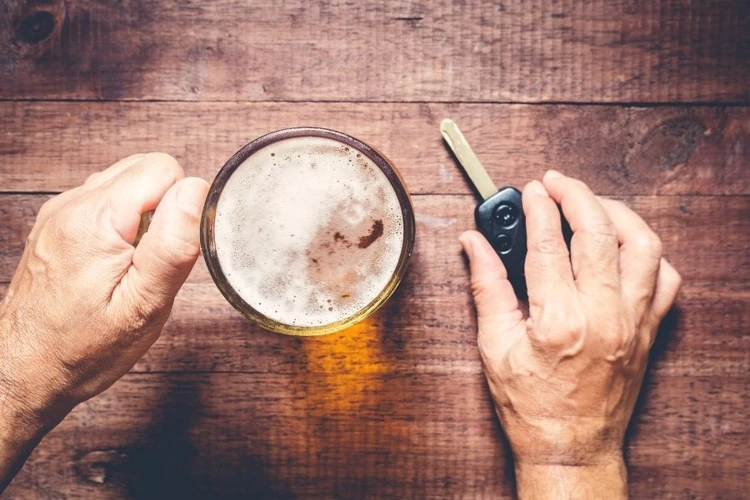
Three years after the preliminary results first were presented at a scientific meeting and drew wide attention, University of Utah psychologists have published a study showing that motorists who talk on both handheld and hands-free cell phones are as impaired as drunken drivers.

"We found that people are as impaired when they drive and talk on a cell phone as they are when they drive intoxicated at the legal blood-alcohol limit" of 0.08 percent, which is the minimum level that defines illegal drunken driving in most U.S. states, says study co-author Frank Drews, an assistant professor of psychology.

"If legislators really want to address driver distraction, then they should consider outlawing cell phone use while driving."

Psychology Professor David Strayer, the study's lead author, adds: "Just like you put yourself and other people at risk when you drive drunk, you put yourself and others at risk when you use a cell phone and drive. The level of impairment is very similar."

"Clearly the safest course of action is to not use a cell phone while driving," concludes the study by Strayer, Drews and Dennis Crouch, a research associate professor of pharmacology and toxicology. The study was set for publication June 29 in the summer 2006 issue of Human Factors: The Journal of the Human Factors and Ergonomics Society.

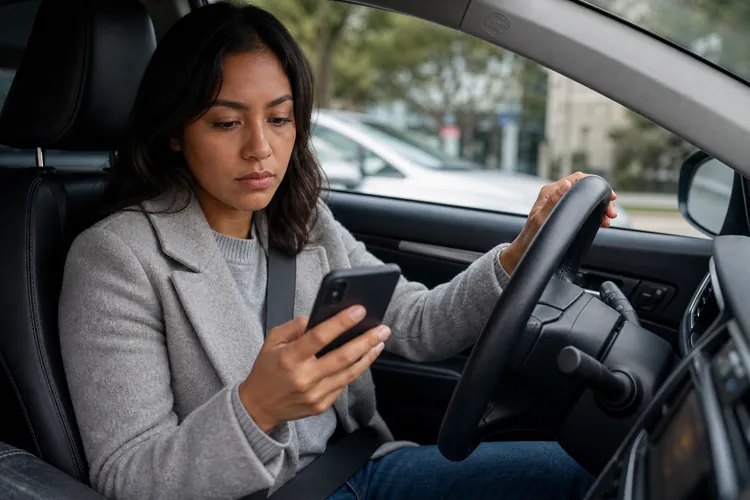
The study reinforced earlier research by Strayer and Drews showing that hands-free cell phones are just as distracting as handheld cell phones because the conversation itself – not just manipulation of a handheld phone – distracts drivers from road conditions.

Human Factors Editor Nancy J. Cooke praised the study.

"Although we all have our suspicions about the dangers of cell phone use while driving, human factors research on driver safety helps us move beyond mere suspicions to scientific observations of driver behavior," she said.

The study first gained public notice after Strayer presented preliminary results in July 2003 in Park City, Utah, during the Second International Driving Symposium on Human Factors in Driver Assessment, Training and Vehicle Design. It took until now for the study to be completed, undergo review by other researchers and finally be published.

Different Driving Styles, Similar Impairment

Each of the study's 40 participants "drove" a PatrolSim driving simulator four times: once each while undistracted, using a handheld cell phone, using a hands-free cell phone and while intoxicated to the 0.08 percent blood-alcohol level after drinking vodka and orange juice. Participants followed a simulated pace car that braked intermittently.

Both handheld and hands-free cell phones impaired driving, with no significant difference in the degree of impairment.

That "calls into question driving regulations that prohibited handheld cell phones and permit hands-free cell phones," the researchers write.

The study found that compared with undistracted drivers:

• Motorists who talked on either handheld or hands-free cell phones drove slightly slower, were 9 percent slower to hit the brakes, displayed 24 percent more variation in following distance as their attention switched between driving and conversing, were 19 percent slower to resume normal speed after braking and were more likely to crash. Three study participants rear-ended the pace car. All were talking on cell phones. None were drunk.

• Drivers drunk at the 0.08 percent blood-alcohol level drove a bit more slowly than both undistracted drivers and drivers using cell phones, yet more aggressively. They followed the pace car more closely, were twice as likely to brake only four seconds before a collision would have occurred, and hit their brakes with 23 percent more force.

"Neither accident rates, nor reaction times to vehicles braking in front of the participant, nor recovery of lost speed following braking differed significantly" from undistracted drivers, the researchers write.

"Impairments associated with using a cell phone while driving can be as profound as those associated with driving while drunk," they conclude.

Are Drunken Drivers Less Accident-Prone?

Drews says the lack of accidents among the study's drunken drivers was surprising. He and Strayer speculate that because simulated drives were conducted during mornings, participants who got drunk were well-rested and in the "up" phase of intoxication.

In reality, 80 percent of all fatal alcohol-related accidents occur between 6 p.m. and 6 a.m. when drunken drivers tend to be fatigued. Average blood-alcohol levels in those accidents are twice 0.08 percent. Forty percent of the roughly 42,000 annual U.S. traffic fatalities involve alcohol.

While none of the study's intoxicated drivers crashed, their hard, late braking is "predictive of increased accident rates over the long run," the researchers wrote.

One statistical analysis of the new and previous Utah studies showed cell phone users were 5.36 times more likely to get in an accident than undistracted drivers. Other studies have shown the risk is about the same as for drivers with a 0.08 blood-alcohol level.

Strayer says he expects criticism "suggesting that we are trivializing drunken-driving impairment, but it is anything but the case. We don't think people should drive while drunk, nor should they talk on their cell phone while driving."

Drews says he and Strayer compared the impairment of motorists using cell phones to drivers with a 0.08 percent blood-alcohol level because they wanted to determine if the risk of driving while phoning was comparable to the drunken driving risk considered unacceptable.

"This study does not mean people should start driving drunk," says Drews. "It means that driving while talking on a cell phone is as bad as or maybe worse than driving drunk, which is completely unacceptable and cannot be tolerated by society."


Report Your Experience
If you've had a bad experience -- or a good one -- with a consumer product or service, we'd like to hear about it. All complaints are reviewed by class action attorneys and are considered for publication on our site. Knowledge is power! Help spread the word. File your consumer report now.


Consumer News

July 4 2008

Print, mail, etc.


Recent Recalls & Safety Alerts


FREE CONSUMER NEWSLETTERS

The Daily Consumer
Afternoons M-F

Sign up now!


Consumer News & Alerts
Every Sunday

Sign up now!


Knowledge is free.
Knowledge is power.


Back to the top |

Advertisement


Home | Rogues Gallery | Good Guys | Complaint Form | News | Recalls | Search | Video | FAQ |
Consumer Resources | Small Claims Guide | Lemon Law | Newsletter | Contact Us
Advertise With Us | Testimonials | Newsroom | RSS Feeds | Radio | Job Postings


Terms of Use Your use of this site constitutes acceptance of the Terms of Use

Advertisements on this site are placed and controlled by outside advertising networks. ConsumerAffairs.com does not evaluate or endorse the products and services advertised. See the FAQ for more information.

Company Response Welcome If complaints about your company appear on our site, we welcome your response. Please see the Response Form for more information.

For more information, see the FAQ and privacy policy. The information on this Web site is general in nature and is not intended as a substitute for competent legal advice.  ConsumerAffairs.com Inc. makes no representation as to the accuracy of the information herein provided and assumes no liability for any damages or loss arising from the use thereof. 

Copyright © 2003-2008 ConsumerAffairs.com Inc.  All Rights Reserved.