|
|
NEWS
RECALLS
COMPLAINT FORM
SCAM ALERTS
RESOURCES
Small Claims Guide Class Actions Lemon Laws FAQ Newsletters |
| Automotive Education Employment Electronics Family Finance Health Homeowners Pets Shopping Travel |
|
|
![]() |
Bank Of America Considering Its Own Credit Card Brand |
|||||
|
By Martin H. Bosworth April 17, 2006
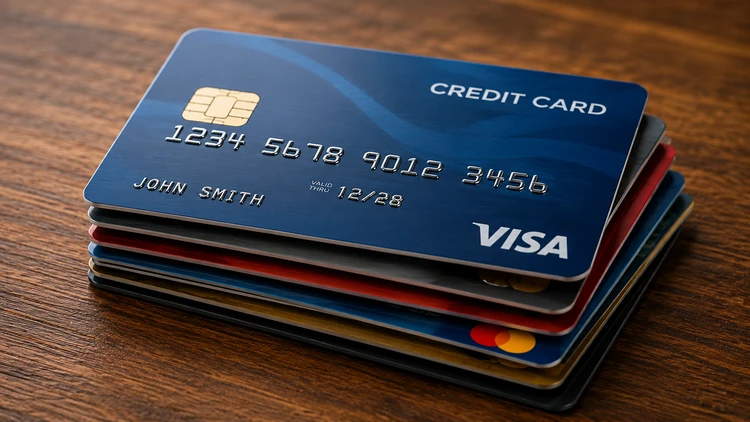
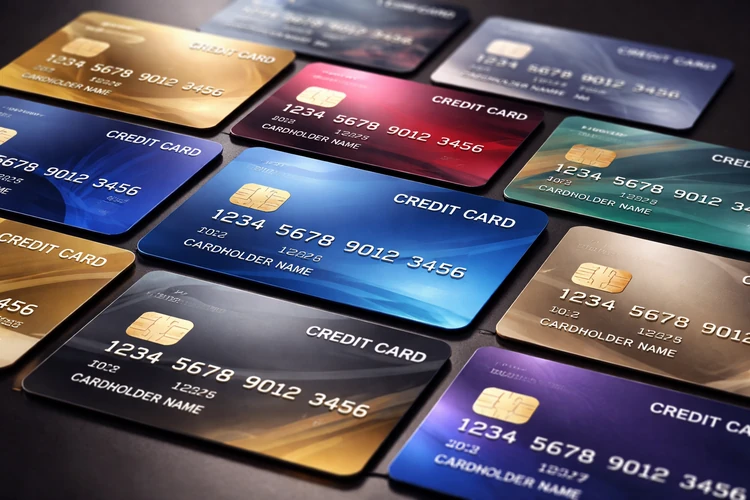
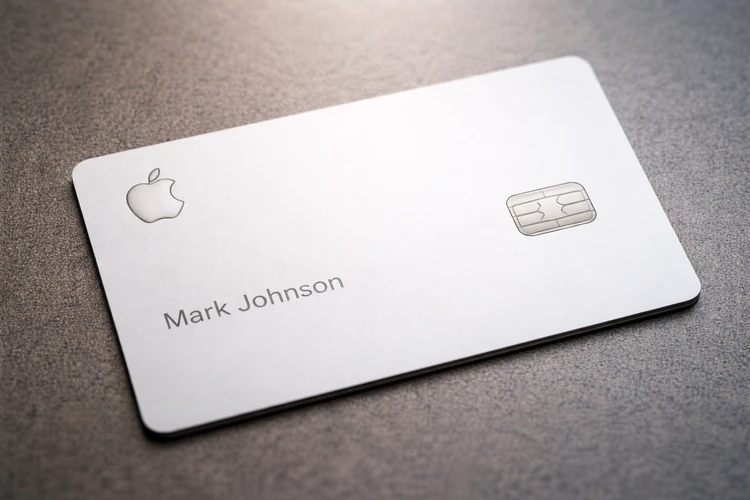
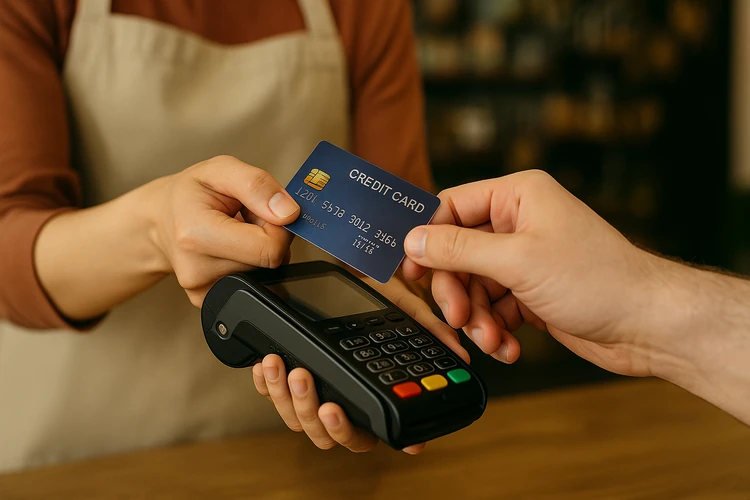
The Charlotte Business Journal reported on April 14th that Bank of America was considering its own electronic payment processing network, in order to compete with card issuers Visa and MasterCard, thereby eliminating the fees it now pays them to process charges made with Bank of America-issued cards. The move could gain Bank of America an additional $70 to $75 million in earnings, and could position it to grab some of the market share in credit cards, most of which is now held by Visa and MasterCard. Bank of America already pulls much of its profit from credit card interest, fees, and charges, with $9.4 billion in revenue in 2005, and its standing as the nation's largest credit card issuer. Bank of America's plans to invade the credit card market may have been emboldened by its takeover of MBNA, which pioneered "affinity" marketing of cards to colleges, universities, and businesses. MBNA was also notorious for keeping a heavy foot on the interest rate accelerator, driving waves of angry cardholders to pay off and cancel their cards, leading to a massive drop in MBNA's profits in a single quarter and mkaing the company vulnerable to takeover by Bank of America. It's In The CardsIf Bank of America were to offer its own card and processing system, it would present an alternative to the monopoly Visa and MasterCard enjoy in the payment-processing market. The "interchange fees" that banks charge retailers when their customers use plastic have earned card issuers tremendous profit that, until recently, escaped public scrutiny. Visa and MasterCard collected $27 billion in interchange fees in 2004, with other companies bringing the total to nearly $40 billion. Bank of America sees a tidy profit from the interchange fees as well, given that it is one of the major shareholders of the MasterCard company, which, like Visa, is technically an association of its member banks. However, a coalition of angry merchants, retailers, and trade associations has filed a series of lawsuits against the card issuers and the banks that back them, in order to rein in the fees and provide greater transparency for the pricing structure. Mitch Goldstone, online photo store owner and chief plaintiff in the merchant lawsuits, thinks Bank of America's possible entry into the credit card market is "a deafening endorsement that the interchange battle is beginning to rip apart the banking cartel. It is good news for the millions of merchants and cardholders who have until now faced anticompetitive illegal price-fixing by agreement." Speaking to ConsumerAffairs.com, Goldstone theorized that MasterCard's planned initial public offering might collapse as a result of more corporations like Bank of America moving to use their own processing networks, rather continuing to work with Visa's or MasterCard's. "Whatever the bank does," Goldstone said, "it remains a named defendant in the payment card interchange fee antitrust litigation." Bank of America isn't the only possible competitor to Visa or MasterCard. Discover Financial, owner of the Discover card network, recently announced plans to issue its own debit card brand to compete in the multibillion-dollar debit processing market. And retail giant Wal-Mart has been furiously pushing to incorporate its own payment-processing system by chartering an industrial bank in Utah. The company recently testified before the FDIC on its appplication, which has -- not surprisingly -- been fervently opposed by local banks. latest attempt to create its own internal financial services arm. Consumer groups and community organizations have also opposed the Wal-Mart plans, charging that Wal-Mart's entry into the banking arena would reduce competition. Whether Wal-Mart's entry into banking would reduce or increase competition is still being debated. But Goldstone insists that Bank of America's potential entry into credit card processing represents as "an extraordinary opportunity to foster competition and benefit merchants and cardholders." Skeptics aren't so sure. They point to Bank of America's data security snafus and sales practices as warning signs. Report Your Experience
|
|||||
Back to the top | |
||||||
Advertisement
|
|
Custom Search
|
||||
|
AUTOMOTIVE Dealers Manufacturers Service Extended Warranties Lemon Laws Recalls Tires Transporters FAMILY Aging Children, Parenting Recalls Dating Education Entertainment Pets Weddings |
FINANCE Annuities Banks Credit Cards Debt Collection Debt Counseling Insurance Investing Loans Mortgages Payday Loans Student Loans Tax Prep HEALTH Doctors Drugs, Pharmacies Health Clubs Hearing Care Hospitals Nursing Homes Nutrition, Diets Vision Care Weight Loss |
HOMEOWNERS & RENTERS Appliances Cookware Furniture Home Improvements Lawn & Garden Movers Pools & Spas Realtors, Rental Agents Recalls Utilities ELECTRONICS Cable TV/DBS Cameras Cell Phones Computers Home Electronics Internet Access Local Phone Service Long Distance VoIP |
SHOPPING In-Home Online Retail Stores Sporting Goods Supermarkets Telemarketers TRAVEL Airlines Bus Lines Car Rental Cruises Hotels Travel Agents Trains RESOURCES Class Actions Complaint Form Small Claims Guide Lemon Laws |
CONSUMER NEWS Latest News Automotive Telecom Financial Health Homeowners Scams Seniors Travel More ... RECALLS Automotive Children's Products Drugs Food Household Products Sporting Goods ABOUT US FAQ Privacy Policy Advertise With Us Newsroom Syndication Terms of Use |
Terms of Use Your use of this site constitutes acceptance of the Terms of Use
Copyright © 2003-2009 ConsumerAffairs.com Inc. All Rights Reserved. The contents of this site may not be republished, reprinted, rewritten or recirculated without written permission. |
|