|
CONSUMER NEWS RECALLS COMPLAINT FORM SCAM ALERTS |
| Small Claims Guide | Class Actions | Lemon Law | FAQ | Resources | Newsletters | Spanish | |
|
|
![]() |
Ford Trucks Spit Spark PlugsIgnored by Ford, Truck Owners Face Massive Repair Bills |
|||||
|
By Joe Benton January 23, 2006
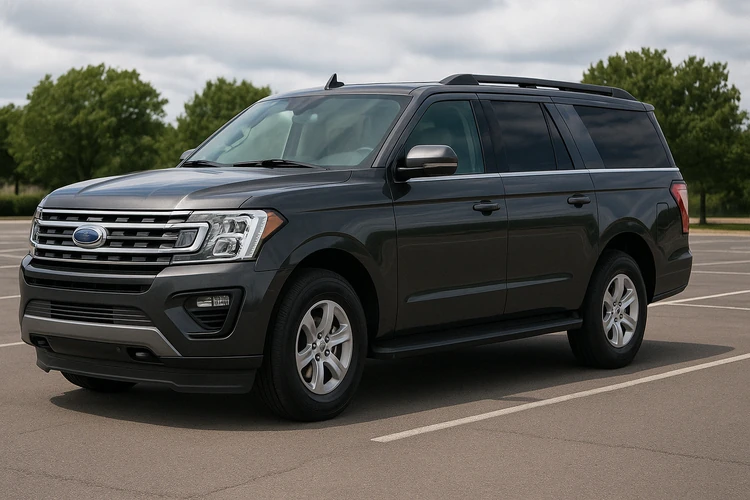
For years, consumers have complained about their trucks blowing spark plugs out of the aluminum cylinder head, leaving a hole in the head and rendering the $30,000 vehicle useless, often on the side of the road, until repaired. Ford has never conceded that there's a problem. Ford, facing a deepening financial crisis, is announcing a "comprehensive restructuring plan" today, a plan that will include plant closings and layoffs, as well as a "new look" for its minivans. Likely absent from this grand strategy is any plan to stand behind its products. As they have been doing for years, Ford owners are snorting, spitting and suing. So far this month, more than a dozen have reported the F-series blown-spark-plug problem to ConsumerAffairs.com, adding their names to a list of hundreds who've reported similar incidents with Ford F-series trucks or SUVs. Ashlee of Arizona was driving her 2001 Ford Expedition when a spark plug blew out. "I thought I was the only one with this problem and then the second mechanic I took my vehicle to showed me all the complaints about this happening to other people that have the same motor in their vehicles," she wrote. "Unbelievable" is Ashlee’s description of her experience with a Ford truck product. A Reputation WreckedThe mighty F-series once enjoyed a reputation as solid work trucks that were dependable and capable of almost any task. Ford truck owners, however, continue to tell ConsumerAffairs.com that the V-10 and 5.4 liter Triton V-8 are so poorly designed that the spark plug in the number three cylinder of both engines can -- and often does -- blow right out of its socket. Some Ford truck owners have experienced the problem more than once. Some have replaced the expensive all-aluminum cylinder head only to have the plug blow out again down the road. Others have had the same problem in more than one vehicle. "I have a 1999 F-150 and just blew a second spark plug on December 31, 2005 while traveling to Nevada," Paul wrote. "I was shocked to learn that my truck will cost $2,800 per head." Ford refuses to stand behind the product, even when the owner has purchased the expensive extended warranty. Ford insists the problem is with the spark plug and says that spark plugs are not covered by the extended warranty. Todd heard that explanation from his Ford dealer in Ohio. "The local Ford dealer told me that there is no problem with the design and my extended warranty does not cover spark plugs so it would cost me $3,850 to put a new head in," Todd wrote. "What I do not understand is the fact that the spark plug did not break, it blew out of my engine! How is that not covered?" Groovy? Not QuiteMechanics who have worked on Ford engines damaged by blown spark plugs say there are too few threads machined into the number three cylinder spark plug hole inside the aluminum cylinder head. The mechanics report that there are sometimes as few as three revolutions of grooves and that is probably not enough to hold the plugs when they are under stress. "I have a 2000 Ford F-150 5.4 Triton with approx 85,000 miles on it," John wrote us from California. "It has launched a spark plug from the right rear cylinder and there are no threads left." Ford dealerships are charging between $2,000 and $5,000 to repair the damage caused by the blown spark plug, according to consumer information and complaints. Despite a petition detailing the issue, federal regulators at the National Highway Traffic Safety Administration have declined to address the problem. Other than to deny the warranty claims, Ford has no comment on the issue either. A federally mandated recall would have devastating financial implications for Ford because 17 million SUVs, pickups, Crown Victorias and Mustangs are potentially involved. Recalling the vehicles to fix the cylinder heads would generate the largest, most labor intensive and perhaps most expensive recall in automotive history. Blowing Away CustomersOn the other hand, American automakers are steadily losing market share to Asian brands, at least partly because U.S.-made vehicles are no longer regarded as being as sturdy and reliable as their Japanese competitors. Similarly, American automakers are steadily acquiring a reputation for stonewalling consumers who run into expensive problems with their U.S.-made cars and trucks. Ford, in particular, has steadfastly refused to fix a lengthy string of calamitous problems, including:
Can Ford really afford to ignore problems and mistreat its faithful customers in this manner? Slick advertising campaigns and promises of green machines to come may not be enough to overcome the wrath and unending fury of consumers who have been hung out to dry by products they consider defective and a corporate response that amounts to a curt dismissal. Ford's North American car and truck business is already bleeding money. Even though the company showed an overall profit, Ford lost $1.4 billion in North America before taxes during the first nine months of 2005. The financial downside of such a vast recall along with the labor-intensive nature of the necessary repair suggest Ford will fight long and hard before admitting a manufacturing or design flaw has anything to do with the long list of blown number three cylinder spark plugs. On the other hand, the reason Ford is losing money is not that it spends too much to build vehicles and fulfill its warranty commitments. It is losing money because it is not selling enough vehicles to cover its fixed costs. Last week's R. L. Polk & Co. Loyalty Survey found Toyota bumping Ford from the #1 spot, ending Ford's nine-year reign. Large manufacturing plants must operate close to or at capacity to be profitable. Most auto executives would agree that what Ford needs to become profitable is to sell more cars and trucks -- not to further alienate what remains of its customer base by making its consumers pay the tab for Ford's oversights. When it announces its "turnaround" plan today, Ford is likely to announce a "new direction" for its sluggish minivan lineup. The company's expected to move away from the traditional minivan look, characterized by sliding doors and a truck platform, and pursue a design similar to the car-like Fairlane concept wagon that it revealed at the Detroit auto show last year, Automotive News reported. Report Your Experience
|
|||||
Back to the top | |
||||||
Advertisement
|
Home |
Rogues Gallery |
Good Guys |
Complaint Form |
News |
Recalls |
Search |
Video |
FAQ |
|
Terms of Use Your use of this site constitutes acceptance of the Terms of Use
Copyright © 2003-2008 ConsumerAffairs.com Inc. All Rights Reserved. |