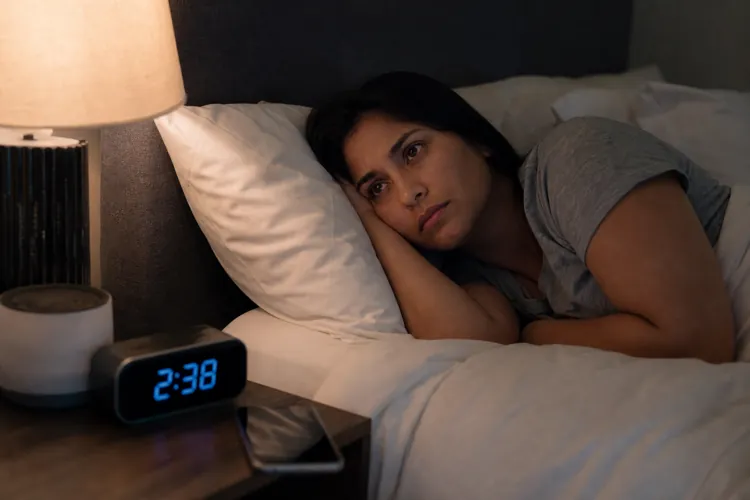
A five-year study of more than 130,000 adults with chronic insomnia linked long-term melatonin use to a higher risk of heart failure, hospitalization, and death.
The research found melatonin users were about 90% more likely to develop heart failure and nearly twice as likely to die from any cause as non-users.
The findings are preliminary and have not yet been peer-reviewed, but experts say they raise important safety questions about long-term melatonin use.
A new analysis of more than 130,000 adults with insomnia suggests that long-term use of melatonin supplements — often taken to help with sleep — may be associated with a higher risk of heart failure and death.
The research, to be presented at the American Heart Association’s Scientific Sessions 2025 in New Orleans, reviewed five years of health records and found that people who took melatonin for at least a year were significantly more likely to develop or be hospitalized for heart failure, or die from any cause, compared to those who did not use the supplement.
Researchers found that adults with chronic insomnia who used melatonin long-term had about a 90% higher risk of developing heart failure over five years (4.6% vs. 2.7%). Those with at least two melatonin prescriptions 90 days apart had an 82% higher risk of heart failure than those who never took melatonin.
Hospitalization rates were also notably higher: melatonin users were 3.5 times more likely to be hospitalized for heart failure and nearly twice as likely to die from any cause (7.8% vs. 4.3%) during the study period.
‘Not as harmless as commonly assumed’
“Melatonin supplements may not be as harmless as commonly assumed,” said Dr. Ekenedilichukwu Nnadi, lead author of the study and chief resident in internal medicine at SUNY Downstate/Kings County Primary Care in Brooklyn, New York. “If our study is confirmed, this could affect how doctors counsel patients about sleep aids.”
Melatonin, a hormone naturally produced by the body to regulate sleep cycles, has become one of the most popular over-the-counter sleep aids in the U.S. Because it’s sold as a dietary supplement, its strength and purity are not strictly regulated by the Food and Drug Administration.
“Melatonin is not indicated for the treatment of chronic insomnia in the U.S., yet many people take it for extended periods without medical supervision,” said Dr. Marie-Pierre St-Onge, chair of the American Heart Association’s scientific statement on sleep health. “These findings suggest caution may be warranted.”
About the study
The study analyzed data from the TriNetX Global Research Network, a large international database of de-identified electronic health records. Researchers examined adults diagnosed with insomnia who had taken melatonin for at least a year and compared them to a matched group of insomnia patients who had never taken the supplement.
Both groups were similar in age, gender, body mass index, and other health conditions. People with prior heart failure or those using other sleep medications were excluded.
While the findings show an association between long-term melatonin use and cardiovascular outcomes, the researchers emphasized that the study cannot prove cause and effect. Other factors, such as depression, anxiety, or the severity of insomnia, could also influence heart health and melatonin use.