NEWS    RECALLS    COMPLAINT FORM    SCAM ALERTS   RESOURCES  
Small Claims Guide   Class Actions   Lemon Laws   FAQ   Newsletters  
Share


Complain about a product or service

Automotive    Education    Employment    Electronics    Family    Finance    Health    Homeowners    Insurance    Pets    Shopping    Travel     Print This     Email This    


HOUSE & HOME   Appliances |  Cookware |  Furniture |  Lawn & Garden |  Moving |  Pools, Spas |  Realtors |  Utilities

Swimming Pools - Safety Is No Accident


Swimming Pools
Swimming Pool
CPSC Warns of In-Home Drowning Dangers
New Study Highlights Dangers in the Water
Pool And Spa Safety Law Takes Effect This Week
Drowning Season Opens; Pools a Major Menace to Children
Backyard Pools Pose Danger to Kids
Legal liability
Feds target pools

A child can drown in less than five minutes. It takes only two inches of water and it can happen in complete silence. Are you certain this can't happen in your pool?

About 350 children under 5 drown in pools each year. Drowning is the second leading cause of death for this age group after motor vehicle incidents. Another 2,600 children are treated in hospital emergency rooms each year for near-drowning incidents. The vast majority of these accidents happen in backyard pools.

Homeowners should carefully weigh the risks of a backyard pool, not to mention the cost, against the pleasure it may provide. In most homes, there is no appliance, device or gadget that even begins to approach the potential of a swimming pool for personal, financial and legal disaster.

Dangerous Assumptions

Many people assume that, at a residence with a pool, the danger of drowning occurs only when the family is outside or using the pool. But a common scenario takes place when young children leave the house without a parent or caregiver realizing it. Children are drawn to water, not knowing the terrible danger pools can pose.

"Drowning happens quickly and silently, often without any splashing or screaming," said former U.S. Consumer Product Safety Commission Chair Ann Brown. "It can occur in just the couple of minutes it takes to answer the telephone."

The key to preventing these tragedies is to have layers of protection. This includes placing barriers around your pool to prevent access, using pool alarms, closely supervising your child and being prepared in case of an emergency. Here are some tips to prevent drowning:

  • Fences and walls should be at least 4 feet high and installed completely around the pool. Fence gates should be self-closing and self-latching. The latch should be out of a small child's reach.
  • If your house forms one side of the barrier to the pool, then doors leading from the house to the pool should be protected with alarms that produce a sound when a door is unexpectedly opened.
  • A power safety cover -- a motor-powered barrier that can be placed over the water area -- should be used when the pool is not in use.
  • Keep rescue equipment by the pool and be sure a phone is poolside with emergency numbers posted. Knowing cardiopulmonary resuscitation (CPR) can be a lifesaver.
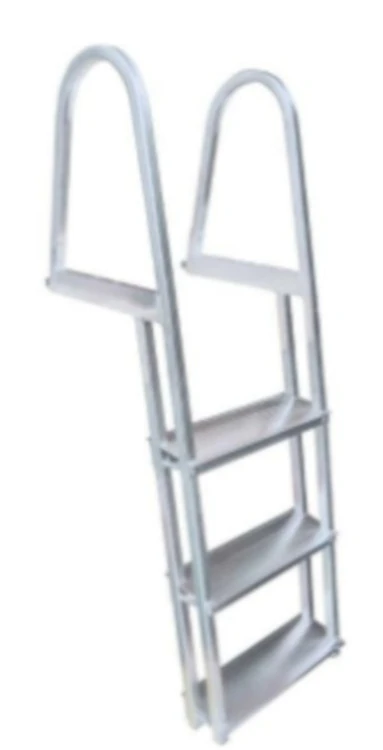
  • For above-ground pools, steps and ladders to the pool should be secured and locked, or removed when the pool is not in use.
  • If a child is missing, always look in the pool first. Seconds count in preventing death or disability.
  • Pool alarms can be used as an added precaution. Underwater pool alarms generally perform better and can be used in conjunction with pool covers. Be sure to include remote alarm receivers so the alarm can be heard inside the house or in other places away from the pool area.

Legal Responsibility

Make no mistake: the pool owner is responsible for what happens in his or her pool. The pool owner has a responsibility to provide a safe environment for children and adults alike and to be pro-active in preventing accidents.

Do not accept the responsibility of pool ownership unless you are aware of the risks and willing to deal with them. At the most basic level, you and all able-bodied adults in your family should successfully complete a CPR course. Everyone in your household should learn to swim and be knowledgeable in pool safety.

Here are some other steps that you must take to protect yourself:

  • Never allow anyone, child or adult, swimmer or non-swimmer, to enter the pool unless a responsible person is accompanying them.
  • Never leave an accessible pool unattended. Remember, a child can drown in less than 5 minutes.
  • Never leave swimming toys in the pool. They are too inviting for a young child.
  • Insist that your adult guests supervise their children at all times.
  • Never let intoxicated guests enter your pool.
  • Remove the diving board from your private backyard pool. The risk of injury is too great.
  • Keep essential life saving gear accessible, visible, and in proper working condition.
  • Never assume that "floaties" and other floatation devices will protect you or your guests from drowning.
  • Make sure your homeowner's insurance policy includes coverage that will protect you against liability lawsuits resulting from swimming pool injuries. You may want to add an additional liability policy specifically covering pool accidents. $1 million is the absolute minimum you should have; more is desirable.

Don't rely on posting signs such as "swim at your own risk," "too shallow to dive", etc., to protect you against a lawsuit. Anyone who is injured in your pool, even if they are trespassing, may have the legal right to file a claim against you for any damages resulting from injuries received while in your pool.

Report Your Experience
If you've had a bad experience -- or a good one -- with a consumer product or service, we'd like to hear about it. All complaints are reviewed by class action attorneys and are considered for publication on our site. Knowledge is power! Help spread the word. File your consumer report now.

Share

Follow us on Twitter.

FREE CONSUMER NEWSLETTERS

The Daily Consumer
Afternoons M-F

Sign up now!


Consumer News & Alerts
Every Sunday

Sign up now!


CONSUMER NEWS

SAFETY RECALLS


Back to the top |


Custom Search
AUTOMOTIVE
• Dealers
• Manufacturers
• Service
• Extended Warranties
• Lemon Laws
• Recalls
• Tires
• Transporters

FAMILY
• Aging
• Children, Parenting
• Recalls
• Dating
• Education
• Entertainment
• Pets
• Weddings
FINANCE
• Annuities
• Banks
• Credit Cards
• Debt Collection
• Debt Counseling
• Insurance
• Investing
• Loans
• Mortgages
• Payday Loans
• Student Loans
• Tax Prep

HEALTH
• Doctors
• Drugs, Pharmacies
• Health Clubs
• Hearing Care
• Hospitals
• Nursing Homes
• Nutrition, Diets
• Vision Care
• Weight Loss
HOUSE & HOME
• Appliances
• Cookware
• Furniture
• Home Improvements
• Lawn & Garden
• Movers
• Pools & Spas
• Realtors, Rental Agents
• Recalls
• Utilities

ELECTRONICS
• Cable TV/DBS
• Cameras
• Cell Phones
• Computers
• Home Electronics
• Internet Access
• Local Phone Service
• Long Distance
• VoIP
SHOPPING
• In-Home
• Online
• Retail Stores
• Sporting Goods
• Supermarkets
• Telemarketers

TRAVEL
• Airlines
• Bus Lines
• Car Rental
• Cruises
• Hotels
• Travel Agents
• Trains

RESOURCES
• Class Actions
• Complaint Form
• Small Claims Guide
• Lemon Laws
CONSUMER NEWS
• Latest News
• Automotive
• Telecom
• Financial
• Health
• Homeowners
• Scams
• Seniors
• Travel
• More ...

RECALLS
• Automotive
• Children's Products
• Drugs
• Food
• Household Products
• Sporting Goods

ABOUT US
• FAQ
• Privacy Policy
• Advertise With Us
• Newsroom
• Syndication
• Terms of Use

Terms of Use Your use of this site constitutes acceptance of the Terms of Use

Advertisements on this site are placed and controlled by outside advertising networks. ConsumerAffairs.com does not evaluate or endorse the products and services advertised. See the FAQ for more information.

Company Response Welcome If complaints about your company appear on our site, we welcome your response. Please see the Response Form for more information.

For more information, see the FAQ and privacy policy. The information on this Web site is general in nature and is not intended as a substitute for competent legal advice.  ConsumerAffairs.com Inc. makes no representation as to the accuracy of the information herein provided and assumes no liability for any damages or loss arising from the use thereof. 

Copyright © 2003-2009 ConsumerAffairs.com Inc.  All Rights Reserved.    The contents of this site may not be republished, reprinted, rewritten or recirculated without written permission.