

Common pregnancy symptoms at 27 weeks
Pregnancy symptoms just aren’t going away at this point. You may be used to them now or have found relief through some coping methods. However you’re feeling, take comfort in knowing you’re in your final months of pregnancy and will get to meet your baby soon. You got this!
- Itchy belly: As your baby and body grow, your skin is stretching thinner. This makes it more sensitive. Find a good cream to relieve the itch and make sure you have soft, nonirritating fabrics in your maternity wardrobe.
- Braxton Hicks: As you draw closer to the finish line, your body has already started practicing for labor. You may feel an occasional tightening in your belly, which is known as a Braxton Hicks contraction.
- Trouble sleeping: Feeling tired but unable to get a full night of rest? This is common with many women approaching their due dates. A pregnancy pillow may help you get more comfortable.
- Heartburn and indigestion: Your body has made special accommodations for your baby, and your muscles are beginning to relax to prepare for birth. The relaxing of your stomach muscles may cause excess acid to leak into your throat, causing heartburn. Keep those antacids handy!
- Urinary tract Infections: As baby puts added pressure on your bladder, urine can leak and bacteria become trapped making you more prone to UTIs.
Pregnancy checklist at 27 weeks pregnant
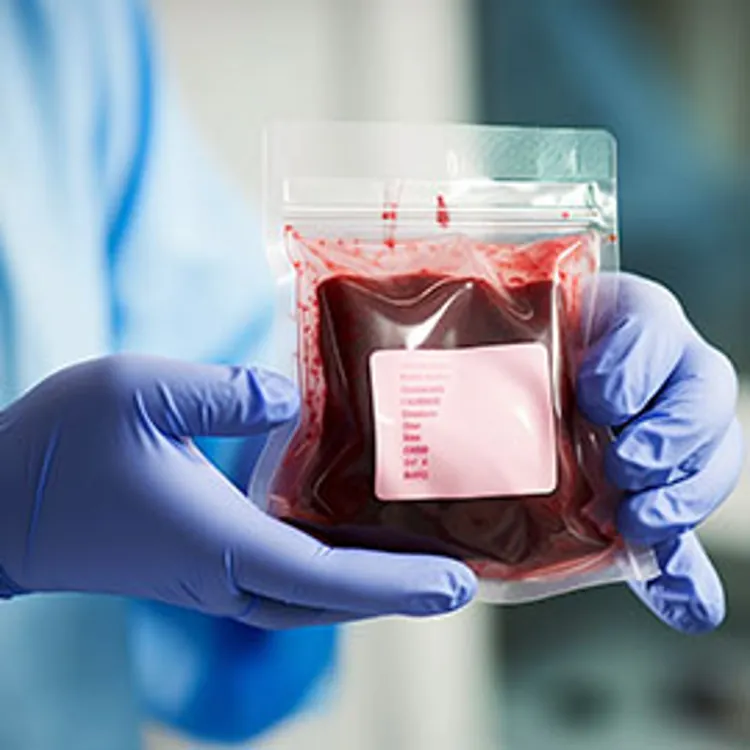
Between 26 and 28 weeks pregnant, you will likely have just one prenatal checkup. At this appointment, you may be scheduled to receive the RhoGam shot if you have an Rh-negative blood type.
Reminders for
Week 27
- Look into infant CPR. If you’re not up to date on CPR and first-aid certifications, now is a good time to take a refresher course. Infant first aid and CPR differ slightly from traditional CPR and first aid performed on adults. These classes will prepare you for an emergency.
- Research car seats. On the day you leave the hospital, you will need to bring your little one home in an appropriate infant carrier. Choosing the right car seat requires a bit of research. Check in on the current safety guidelines, read reviews, get recommendations and make sure to purchase an infant car seat that fits in your vehicle.
- Count those kicks. Kick counts are exactly what they sound like: counting your baby’s kicks or number of movements in a given period. During the last trimester of pregnancy, it’s especially important to keep track of those movements. A change or sharp decrease in activity could indicate a problem. Call your health care provider if this happens.
Explore pregnancy by week
Week 26 | Week 28
Did you find this article helpful?
|
Share this article