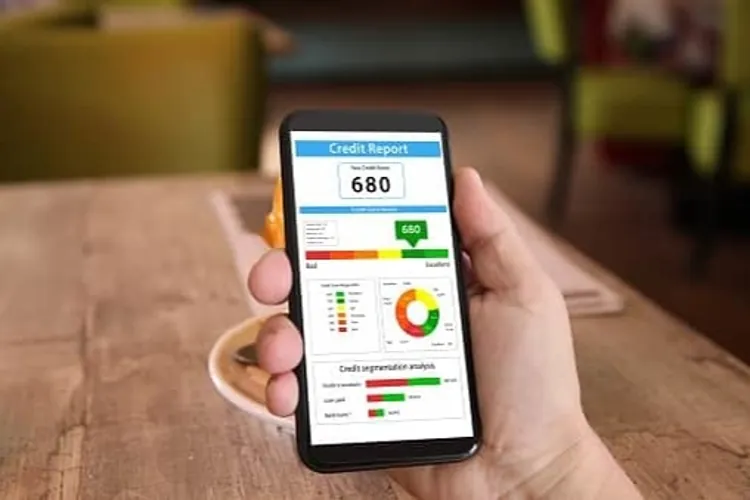



What factors determine your credit score
Most lenders use credit scores based on the FICO scoring model, developed by the Fair Isaac Corporation. FICO scores are calculated using five core factors:
- Payment history (35%)
- Amounts owed (30%)
- Length of credit history (15%)
- Credit mix (10%)
- New credit inquiries (10%)
“Though five factors determine your credit score, two of them comprise most of it: paying your bills on time and how much you owe,” said April Lewis-Parks, director of education and communications at Consolidated Credit, a nonprofit credit counseling agency. So if you want to improve your credit score, focus on those two things first, and you might see big results.
Payment history
Payment history is the most important factor in your credit score and makes up 35% of its calculation. It shows lenders whether you’ve paid your bills on time in the past.
A history of on-time payments could help build your score. But if you have multiple missed or late payments, you can expect your FICO score to drop. If your payments are 30 days late or more, they could get reported to credit bureaus and leave a mark on your credit report for up to seven years.
More serious issues like collections, charge-offs, bankruptcies and foreclosures can do even more damage and stay on your credit report for up to 10 years, making it even more difficult to repair your credit.
Amounts owed and credit utilization
A common rule of thumb is to keep your utilization below 30%, and ideally under 10% if possible.
Amounts owed and credit utilization show how much debt you carry and how much of your available credit you’re using. Amounts owed looks at your total balances, and credit utilization compares your balance to your credit limit.
For example, if your credit card has a $1,000 limit and you have a $400 balance, your credit utilization is 40%. Higher utilization can drag your score down since it indicates poor debt management.
» READ: Buy Now, Pay Later loans will soon affect your credit score
Length of credit history
Length of credit history considers how long you’ve been using credit overall. It considers the age of your oldest account, your newest account and the average age of all your accounts.
A longer credit history gives lenders more information to work with, which usually works in your favor. That’s why closing old credit cards can sometimes hurt your score even if you’re not using them anymore.
Opening new accounts can also temporarily lower your average account age, causing a small dip in your credit score. But as your accounts age and you start building positive history, that negative effect usually fades.
Credit mix and new credit
Your credit mix refers to the types of accounts you have. The most common accounts include:
- Credit cards
- Auto loans
- Student loans
- Mortgages
You don’t need every type to have a good score, but having a solid mix can show lenders that you know how to manage different kinds of credit.
While your credit mix considers what accounts you have, new credit tracks how often you apply for loans or lines of credit. For instance, you could raise red flags when you apply for multiple cards or loans in a short time, resulting in a lower FICO score temporarily. Opening too many new accounts at once can also increase your balances and lower your average account age, which can compound the effect.
How lenders use credit scores
Lenders use credit scores to get a quick read on risk and to gauge whether it’s worth lending money to a certain individual or business. A higher score usually means you’re more likely to pay on time, while a lower score signals more risk.
Most lenders rely on the standard FICO score range, which runs from 300 to 850. The closer your score is to 850, the lower your risk to lenders. Generally, scores from 670 to 739 indicate “good” credit history, 740 to 799 are considered “very good” and scores above 800 are “exceptional.”
» LEARN MORE: Consumers' credit scores have dipped in 2025
Your FICO score affects whether you’re approved for credit as well as how much you pay to borrow. A higher FICO score typically means lower interest rates and better repayment terms, whereas a lower score may result in higher rates and stricter terms.
Different lenders and industries also use credit scores differently. Mortgage brokers, auto lenders and credit card issuers typically have their own cutoff scores or preferred scoring models. That said, the idea is the same across the board: Stronger credit usually means lower costs and more financing options.
FAQ
How to get a 700 credit score in 30 days?
Getting a 700 credit score in 30 days depends on your current creditworthiness. It’s only possible if your score is very near 700 already. You could potentially reach that number within a month by paying down high credit card balances, making on-time payments and avoiding new credit applications.
What credit score do you need for a $400,000 house?
It depends on the type of mortgage loan and your down payment. Conventional mortgage lenders typically require a credit score of at least 620, whereas government-backed loans like FHA loans may allow FICO scores as low as 500.
Does anyone actually have a 900 credit score?
No, it's not possible to have a 900 FICO score since 850 is the highest score. However, as of March 2025, Experian reports that 1.76% of U.S. consumers had a perfect FICO score of 850.
Is a FICO score the same as a credit score?
A FICO score is the general name that FICO uses for its credit scoring models. The term credit score is a broad label that refers to any figure that predicts how likely you’ll repay debt. While a FICO score is the most widely used, lenders might consider other versions like a VantageScore.
Article sources
ConsumerAffairs writers primarily rely on government data, industry experts and original research from other reputable publications to inform their work. Specific sources for this article include:
- Experian, "What Is a Good Credit Score?" Accessed Dec. 28, 2025.
- Experian, "How Many Americans Have a Perfect 850 Credit Score?" Accessed Dec. 28, 2025.
- FICO, "What's in my FICO Scores?" Accessed Dec. 28, 2025.