


How unemployment affects your credit score
Filing for unemployment doesn’t directly affect your credit score and it doesn’t show up on your credit report. But not being employed can have indirect effects, such as changing your debt-to-income ratio or impacting your ability to pay your debts.
Neither the FICO nor the VantageScore models use income to calculate your credit score.
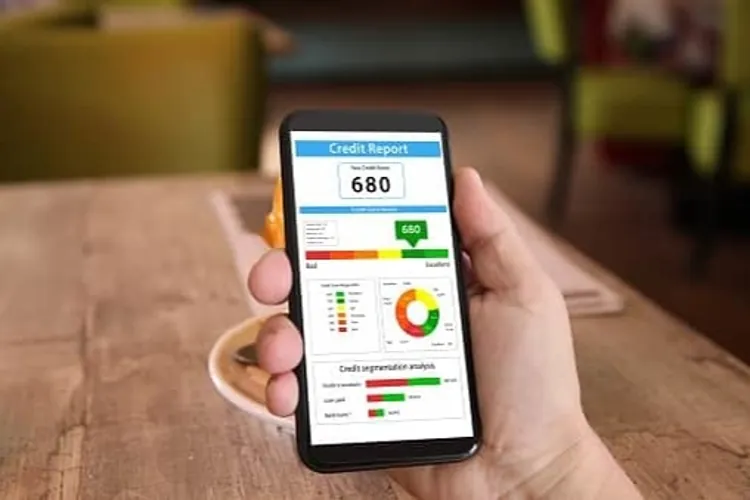
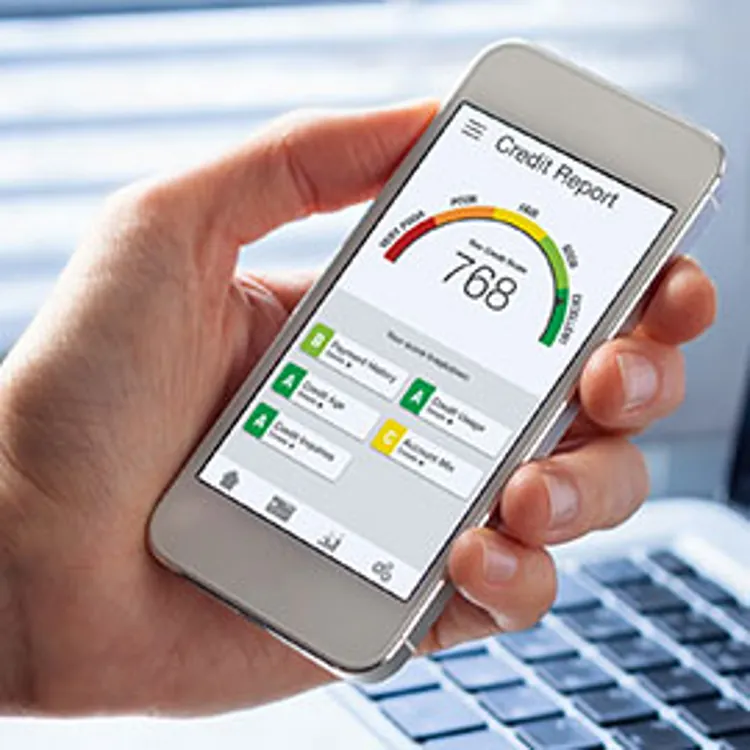
While your income will be part of any credit application you complete, it is not part of your credit report and is not a factor in your credit score. Instead, your credit report shows your current and past credit accounts, such as credit cards, car loans or a mortgage. It shows:
- If the account is a revolving or installment account
- The credit limit and loan balance
- The payment history on each account, including on-time or missed payments
- The date the account was opened or closed
- If any accounts have been sent to collections
- Information on overdue child support
- If you have any liens, foreclosures, bankruptcies or judgments
A lack of income may affect your ability to get credit, but not because of a lower score. However, if your lack of income impacts your ability to pay your debts, those late or missed payments will show up on your credit report and will lower your score.
» COMPARE: Best credit reporting companies
Indirect impacts of unemployment on credit
Unemployment can affect your ability to qualify for loans in two main ways: an increased debt-to-income ratio (DTI) and late or missing payments.
Unemployment can lead to lower income, which can affect your debt-to-income ratio. The higher your DTI, the less likely you are to be approved for new credit. Your DTI is the percentage of your income used to cover the minimum monthly payments on your debt. Having a lower income increases the percentage of your income needed for minimum payments.
For example, if your income is $4,000 per month and your minimum payments are $1,000, then 25% of your income is going toward your debts. But if you are laid off and unemployment benefits only pay you $2,000 per month, 50% of your income is now going to cover your debts.
Also, since your income is lower, you may lean on credit cards to fill the gap between your income and your needs. This will result in larger minimum payments, which will also increase the debt-to-income ratio.
Lastly, you may find it difficult to make your minimum payments while you are unemployed. This will impact your credit score. Payment history accounts for 35% of your credit score. So even one late payment can dramatically affect your score. If unemployment continues for an extended time, you may end up filing for bankruptcy, which is an event that will affect your score and stay on your credit report for seven to 10 years.
Sachin Gadiyar, a senior product manager at JPMorgan Chase, explained, “When people who are salaried file for unemployment, then their ability to make payments to their monthly bills gets affected. In situations like this, when we miss a payment to a loan, like a mortgage loan or a credit card bill, the credit score gets affected.
“Timely payment is a significantly huge contributor to credit score so a payment missed generally hits hard on the credit score since its impact is considered high.”
» NEXT: Debt consolidation pros and cons
Managing your credit during unemployment
Since filing for unemployment doesn’t affect your credit score, protecting your credit will be about managing your money. Setting up a budget and cutting expenses should be one of the first steps.
- Create a budget: Use a budget to figure out how best to use the funds you are receiving from unemployment insurance. Aim to make the minimum payments on your debts to avoid late payments. Don’t pay extra right now; keep as much money on hand as possible. You don’t know how long unemployment will last, and you may need every last dollar.
- Prioritize your bills: Focus on your most pressing needs, such as groceries, utilities and your rent or mortgage. Ask for help from family if needed, and avoid applying for new credit while your income is low.
- Cut expenses: If you find you are unable to keep up, cut as many non-essentials as possible. Consider every expense and be open to extreme cuts, such as memberships, extra subscriptions or getting a roommate to share housing costs.
- Increase your income: Consider ways to make extra money while you look for a job. Freelancing, working part-time or even just doing small tasks for neighbors will help bring in extra cash that can really make a difference. Be sure to research how income affects your unemployment payments, so you’re clear on exactly how much you’ll be earning. New income may lower your unemployment benefits.
- Call your creditors: If you find you are unable to make your minimum payments, call your creditors and lenders to ask about any hardship programs they offer.
Myths about unemployment and credit
There are several myths about how unemployment benefits can affect your credit. It’s crucial to understand how unemployment benefits and income affects your credit reports and scores in order to take the right steps to better credit health.
Myth 1: Income is reported to the credit bureaus
Your income is not reported to the credit bureaus and is not factored into your score. Lenders will ask for your income when you apply for a loan to assess if you will be able to make the new loan payment, but it is not part of your credit score.
Myth 2: Being unemployed affects your credit
Being unemployed doesn’t directly affect your credit. The credit bureaus track your credit history, but not your employment history. They will report any new credit, credit inquiries, on-time or late payments, loan balances and other factors related to your debts.
Myth 3: Lenders and credit bureaus automatically know if you lose your job
Neither lenders nor credit bureaus are notified if you lose your job. As long as you continue to make your payments on time, they will never know that you claimed your unemployment benefits. If you apply for new credit, you will have to disclose your current income, which may be only unemployment benefits.
Steps to rebuild credit after unemployment
If a period of unemployment negatively affected your credit score, you can start rebuilding as soon as you are employed again.
- Update your budget: As soon as you know your new income, update it so you can see where you stand. If you have any hardship programs in place, those may be ending soon, so you’ll want to be ready to start making those payments again. Understand what money you’ll have available to get caught up on any outstanding bills.
- Get caught up on past due payments: Next, if you’ve fallen behind on your payments, you’ll need to get caught up. This will stop any additional harm to your credit report.
- Pay your bills on time going forward: The best way to increase your credit score is to make on-time payments. Now that you are back on track financially, keep up with your payments, and any missed payments you had while you were unemployed will begin to have less of an effect over time.
- Check your credit report: You are eligible for one free credit report from each credit bureau each year. If you haven’t looked at your report in a while, now is a good time. Make sure that what is reported matches your own records. If you find something you don’t recognize, investigate it. If it’s an error, you can dispute the information directly with the credit bureau.
FAQ
How does unemployment affect my ability to get a loan?
Unemployment by itself doesn’t affect your ability to get a loan. However, having a low income may impact your ability to get approved. Lenders assess your debt-to-income ratio, and if you are using too high a percentage of your income to maintain your current debts, you may not get approved for a new loan.
What is the biggest factor affecting credit scores?
The biggest factor affecting your credit score is your payment history. This one metric accounts for 35% of your credit score. A close second, at 30%, is the amounts owed. So paying on time and keeping your balances low are the two best ways to positively affect your score.
How can I maintain a good credit score during unemployment?
Managing your credit health is crucial during periods of unemployment. Maintaining a good score means you continue making on-time payments or contacting your creditors about hardship programs and avoid taking on new debts.
What are the negatives of unemployment on personal finances?
Being unemployed for a significant period of time can wipe out any cash reserves, cause reliance on credit cards to make ends meet and damage your credit if you are unable to keep up with your minimum payments. It’s also likely that you are not contributing to retirement investments during this time. Missing out on these contributions can have long-term effects on your overall net worth.
Article sources
ConsumerAffairs writers primarily rely on government data, industry experts and original research from other reputable publications to inform their work. Specific sources for this article include:
- Consumer Financial Protection Bureau, “What is a credit report?” Accessed Dec. 21, 2025.
- FICO, “What is Payment History?” Accessed Dec. 21, 2025.
- FICO, “What’s in my FICO Scores?” Accessed Dec. 21, 2025.