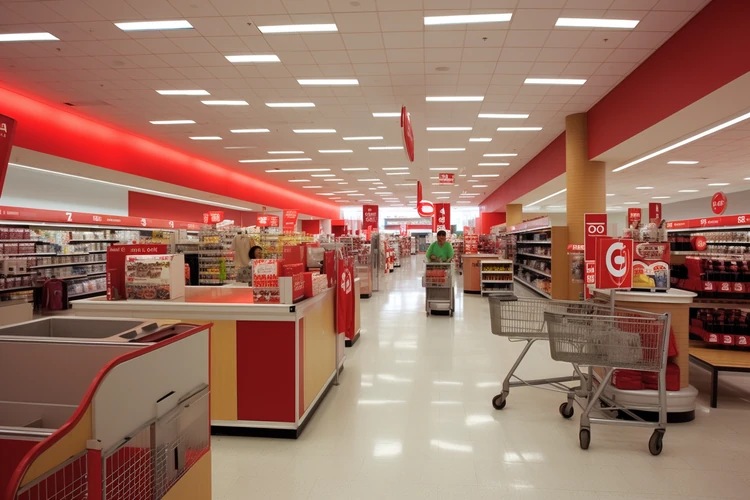

A spike in shoplifting and crime has led numerous stores to start upping their security presence and placing more items behind lock and key.
Now, a combination of theft and crime has prompted Target to announce the closure of nine stores across four states.
“At Target, we take the decision to close stores very seriously and only do so after taking meaningful steps to invest in the guest experience and improve business performance,” Target said in a statement.
“In this case, we cannot continue operating these stores because theft and organized retail crime are threatening the safety of our team and guests, and contributing to unsustainable business performance. We know that our stores serve an important role in their communities, but we can only be successful if the working and shopping environment is safe for all.”
What stores are closing?
As of October 21, the following Target stores will be closing their doors:
New York City:
Harlem: 517 E 117th Street
Seattle:
Seattle University Way: 4535 University Way NE
Seattle Ballard: 1448 NW Market St, Ste 100
San Francisco/Oakland:
SF Folsom and 13th St: 1690 Folsom St
Oakland Broadway & 27th: 2650 Broadway
Pittsburg: 4301 Century Blvd
Portland. Ore.:
Portland Galleria: 939 SW Morrison St
Portland Powell: 3031 SE Powell Blvd
Portland Hollywood: 4030 NE Halsey St
Despite these store closures, these areas still have a number of neighboring locations. No market has fewer than 15 remaining Target stores, with nearly 100 stores remaining open across New York City.
According to Target’s statement, efforts were taken at each of these locations to deter shoplifting and crime, all of which have been unsuccessful. The retailer increased its security, implemented tools designed to stop shoplifting, and hired third-party security teams at these locations.
“Despite our efforts, unfortunately, we continue to face fundamental challenges to operating these stores safely and successfully,” Target said.
Combating theft
Target plans to continue its efforts to combat theft and crime in its stores nationwide by maintaining its security presence, locking cases for merchandise that is often stolen and working with employees to safely handle any incidents in the store.
The company will also work with the U.S. Department of Homeland Security to come up with new ways to prevent retail crime and theft.
Why Target?
With many big box retailers experiencing a significant increase in shoplifting and crime this year, Dominick Reuter from Business Insider broke down why some stores have been more successful than others at keeping shoplifters at bay.
He explained that Costco, Best Buy, Tractor Supply, and Lowe’s have seen little damage to their bottom lines as a result of theft, while other companies have suffered tremendously throughout the year.
Why? These stores have five major things in common that are helping them in the fight against retail crime:
Store location/layout: Retuer explained that these stores have created entrances and exits that intentionally put shoppers in the direct path of security personnel and/or cash registers – making it harder to get away with shoplifting. Additionally, many of these stores are located in rural or suburban areas and see fewer shoppers overall.
Heavy merchandise: It’s difficult for potential shoplifters to discreetly leave one of these stores with stolen goods. The large majority of oversized items serve as a protective factor of sorts.
Thief-proof displays: Best Buy and Costco both leave electronics off the display store, with Costco even requiring shoppers to pay for their electronics first, and then collect them from a separate part of the store. Other items are locked down or secured to shelves that require employee assistance to purchase.
In-person cash registers: Many of these store locations have limited – if any – self-checkout lines. This requires shoppers to interact with store employees and limits what’s stolen.
More staff: The more staff that are present, the more shoppers that are being helped, and the fewer things that are being stolen.