2024 Retail Bankruptcy and Closures

Article Image

Back from the dead, Big Lots finds a buyer

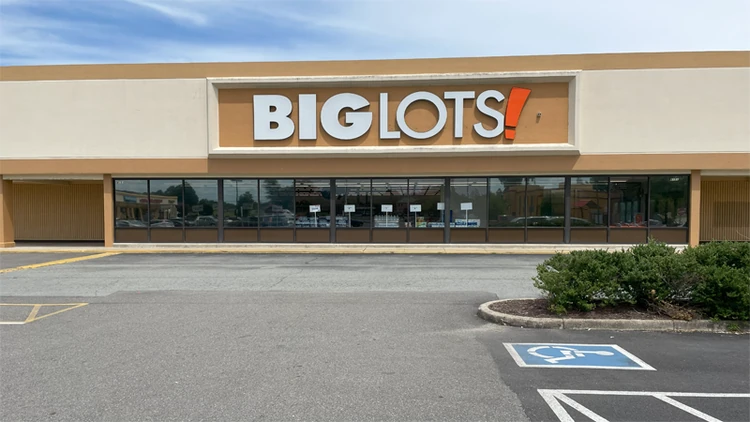
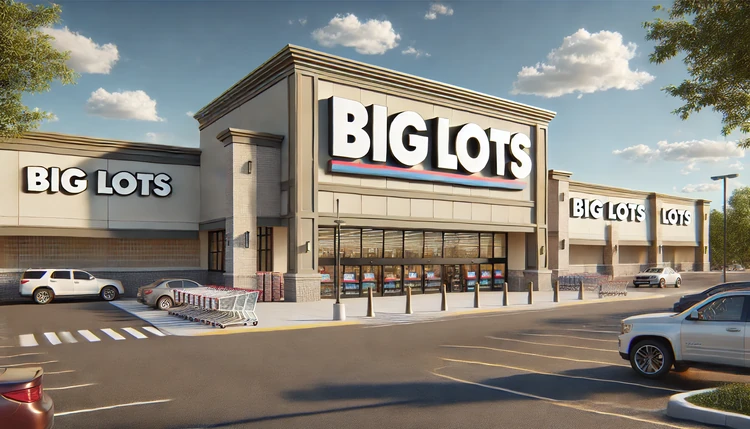
Big Lots isn’t going away, after all. The discount retailer has announced a pivotal sale transaction with Gordon Brothers Retail Partners, LLC, marking a significant step in the company's efforts to stabilize its operations amid financial challenges. 

Under the agreement, Big Lots will transfer its assets, including its stores, distribution centers, and intellectual property, to other retailers, notably Variety Wholesalers, Inc. This strategic move aims to preserve the Big Lots brand and secure jobs for its employees.

Variety Wholesalers, a company that operates over 400 retail stores across the Southeast and Mid-Atlantic states, plans to acquire between 200 and 400 Big Lots stores. These stores will continue to operate under the Big Lots brand, ensuring continuity for customers and employees alike. 

Additionally, Variety Wholesalers intends to acquire up to two distribution centers and may employ Big Lots associates at these locations, as well as certain corporate staff essential for supporting the ongoing operations.

‘Favorable and significant achievement’ 

"The strategic sale to Gordon Brothers and the transfer to Variety Wholesalers is a favorable and significant achievement for Big Lots that reflects the tireless work and collective effort of our team,” said Big Lots CEO Bruce Thorn. “This sale agreement and transfer present the strongest opportunity to preserve jobs, maximize value for the estate and ensure continuity of the Big Lots brand."

Rick Edwards, head of North America Retail at Gordon Brothers Retail Partners, echoed this sentiment, highlighting the partnership's potential to maintain Big Lots' reputation for offering extreme bargains and an outstanding shopping experience.

The change in fortune pulls the discount brand back from the brink of extinction. In August, Big Lots announced it would close 300 stores after previously saying only 40 locations would be shuttered. The announced closings were estimated to shrink the chain’s footprint by 21%.

December setback

However, in mid-December hopes were dashed when Big Lots announced it no longer expected to finalize its previously announced asset purchase agreement with Nexus Capital Management. With that avenue closed, the company announced its stores would launch going-out-of-business sales as it wound down operations.

With the new deal, Lisa Seigies, CEO of Variety Wholesalers, expressed enthusiasm about the future.

"We are excited to partner with Gordon Brothers to provide a path forward for the Big Lots brand and hundreds of its stores,” she said. We look forward to working with members of the Big Lots team to realize the exciting opportunities ahead."

The transaction is pending approval by the bankruptcy court and is subject to customary closing conditions. 
Article Image

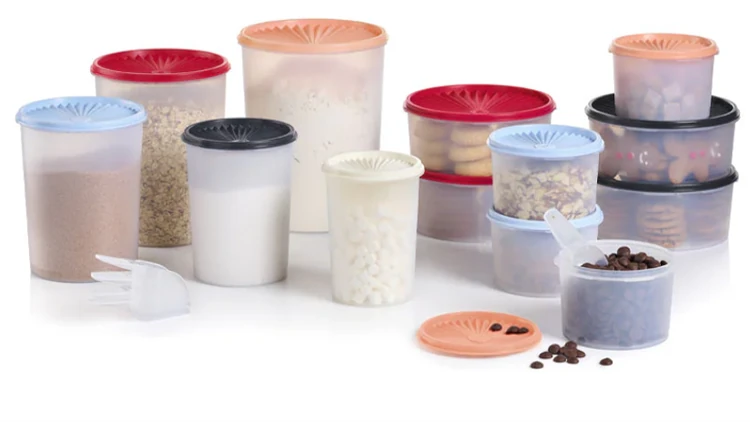
The Container Store files for bankruptcy

The Container Store is the latest retailer to file for bankruptcy.

The company said that the shopping process will remain unchanged for consumers throughout the bankruptcy process; however, the retailer has experienced declining sales for the last few years, and it’s finally come to a head. 

The retailer explained that 90% of its lenders have agreed to the bankruptcy process, and the company expects to wrap everything up in the next 35 days. In addition, the company’s lenders have agreed to invest $40 million into The Container Store, which will help lower debt obligations.

Things aren’t changing for consumers, employees

With over 100 stores across the country, consumers can expect their shopping experience to remain relatively unchanged. Stores will remain open during the bankruptcy process, and shoppers will also be able to make online orders and schedule in-home organization services. 

Additionally, employees can expect to retain their positions, their paychecks and all benefits. 

Despite the financial issues, representatives from the company are confident that the retailer will bounce back stronger. 

“The Container Store is here to stay. Our strategy is sound, and we believe the steps we are taking today will allow us to continue to advance our business, deepen customer relationships, expand our reach, and strengthen our capabilities,” said Satish Malhotra, CEO of The Container Store. 

“We are particularly excited about the future of our custom space offerings, which continue to demonstrate strength. I want to thank our incredibly talented employees for their continued dedication, our customers, partners, and vendors for their support, and our lenders who clearly see the strong potential in our business. We intend to maintain our strong workforce and remain committed to delivering an exceptional experience for our customers while we execute this recapitalization and for many years to come.”

Article Image

Party City declares bankruptcy again and will close all stores

On the heels of Big Lots’ announcement that it’s going out of business, Party City said it’s taking the same path, liquidating assets and closing all stores by the end of February.

In October 2023, Party City emerged from bankruptcy with a turnaround plan. But revenue fell far short of expectations and the company will close all 700 of its stores.

"The decision was made following exhaustive efforts by the company to find a path forward that would allow continued operations in an immensely challenging environment driven by inflationary pressures on costs and consumer spending, among other factors," the company said in a statement.

The company is using going out of business sales to reduce its inventory of party supplies. The Party City website reports everything has been marked down by 50%.

The company said the bankruptcy process helped it reduce its debt to $1 billion, but that in the current economic environment that was still too much. Like some dollar stores, Party City struggled to sell its largely discretionary goods to consumers struggling with inflation.

Party City’s fate mirrors that of Big Lots, and in some communities that’s brought home when both retailers have outlets in the same shopping center. In Green Bay, Wisc., both stores are currently present in the Green Bay Shopping Plaza. Fox 11 reports both stores were holding going-out-of-business sales over the weekend.

Article Image

Big Lots prepares to go out of business after sale falls through

Big Lots, Inc., a discount retailer, has announced a significant shift in its strategic plans as it no longer expects to finalize its previously announced asset purchase agreement with Nexus Capital Management. 

Despite this setback, the company is actively pursuing an alternative plan while also preparing to wind down operations at its remaining stores.

In a bid to safeguard the value of its estate, Big Lots said it will initiate going out of business (GOB) sales at all its remaining store locations in the coming days. This move, while drastic, is seen as a necessary step to protect the company's assets during this transitional period, the company said. The company remains optimistic that these sales will not hinder the possibility of securing a going concern transaction.

Bruce Thorn, CEO of Big Lots, expressed the company's commitment to finding a viable solution. 

"We all have worked extremely hard and have taken every step to complete a going concern sale,” said Bruce Thorn, CEO of Big Lots. “While we remain hopeful that we can close an alternative going concern transaction, in order to protect the value of the Big Lots estate, we have made the difficult decision to begin the GOB process." 

Struggles with inflation

Like many other discounters – other than Walmart – Big Lots has struggled as inflation began to take off in 2021. Its core customer base shifted spending from discretionary items to necessities. The company has been losing money each quarter since 2022.

In a July filing with the Securities and Exchange Commission (SEC), Big Lots showed a loss of $205 million for the 13 weeks that ended May 4. The company also said it expects there will be even more operating losses and it cited "substantial doubt" about its ability to continue as a going concern. It’s already closed more than 100 of its stores.

Despite the looming closures, Big Lots said it is continuing to serve its customers, both in-store and online. 

Article Image

Shoplifting has surged 93% since before the pandemic, retailers say

With the start of the COVID-19 pandemic in 2020, shoplifting spiked. When businesses instructed employees not to interfere, it became more brazen and organized. Now, a new study reveals just how much it has increased

The National Retail Federation (NRF) has released a report showing a 93% increase in shoplifting incidents per year in 2023, compared to 2019. The study, conducted in partnership with the Loss Prevention Research Council, also shows financial losses from these crimes have risen by 90%. Some of those losses reduce profits but some get passed on to consumers.

The study highlights the significant challenges retailers face as they navigate an increasingly hostile environment marked by theft and violence. 

“Protecting store associates and customers, coupled with reducing today’s levels of violence and retail crime, requires a whole-community approach and collaboration across all stakeholders,” said David Johnston, NRF vice president for Asset Protection and Retail Operations.

Retailers in the survey experienced an average of 177 shoplifting incidents per day in 2023, with some sectors reporting numbers exceeding 1,000 incidents daily. NRF said the rise in violence associated with these crimes is particularly concerning, with 73% of retailers noting increased aggression from shoplifters compared to the previous year, and 91% observing more violence than in 2019. 

More money for training

In response, 71% of retailers have increased their budgets for employee training related to workplace violence.

Retailers have responded in different ways. While instructing employees not to interfere with thieves, some stores have placed more of their merchandise behind locked cases. Tony D’Onofrio, president of Sensormatic Solutions, said additional solutions will likely involve technology.

“Retailers and solution providers must work together to build and drive technology that goes beyond thwarting theft in the moment to predicting it,” he said.

The study also reports a rise in multi-person theft incidents, with 62% of respondents expressing increased concern over coordinated thefts involving two to three individuals. Organized Retail Crime (ORC) remains a significant threat NRF said,, with 76% of retailers more worried about ORC-related shoplifting than a year ago. Those capable of tracking ORC incidents reported a 57% increase from 2022 to 2023.

Article Image

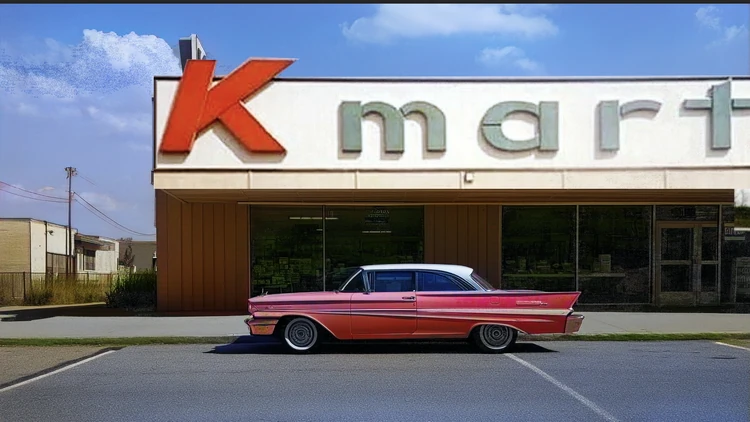
The last full-size US Kmart store is closing

Before there was Walmart, there was Kmart. But, a published report says the last full-size Kmart store in the U.S. is closing, marking the end of an era.

Newsday quotes an employee of the store, located in Bridgehampton, N.Y., as saying the store will close its doors in October. One remaining small Kmart will continue to operate in Miami.

According to the Newsday report, the Bridgehampton store had been operating for 25 years.

Before Sam Walton, Kmart pioneered the concept of the big box discount retailer, opening its first store in 1962. At its peak in the early 1990s, it operated more than 2,300 stores.

Kmart’s roots were firmly planted in the 19th-century dime store world. The company was founded by S.S. Kresge, a salesman who sold products to Frank Winfield Woolworth, head of a chain of variety stores that bore his name.

The beginning

Legend has it that Kresge invested $6,700 of his savings to become a partner in a Memphis, Tenn., dime store. When a second store was opened in Detroit, the stores became the first of the S.S. Kresge chain of dime stores.

By 1912, S.S.Kresge operated 85 U.S. stores. By 1940, there were 682 stores operating coast to coast.

The company planned to open a larger S.S. Kresge store on San Fernando, Calif., in late 1961 but late in the process branded the 27,000 square foot store as Kmart, opening on January 25, 1962. On March 1 of that year, the first full-size Kmart opened in Garden City, Mich.

Three months later, the first Walmart store opened its doors and the two discounters would compete for the next six decades before the Arkansas-based chain slowly overtook its older rival.