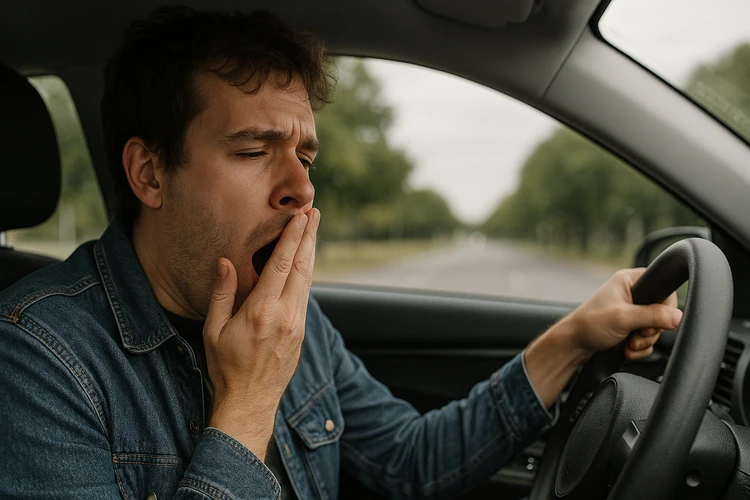

Shorter days and darker commutes after the end of daylight saving time increase the risk of crashes, especially during evening rush hour.
Fatigue and reduced visibility make it harder for drivers to spot pedestrians, signs, and other vehicles — leading to slower reaction times.
Experts urge drivers to adjust their routines, stay alert, and use extra caution during the weeks following the time change.
When the clocks “fall back” this weekend, most of us look forward to that extra hour of sleep — but what many drivers don’t realize is that the end of daylight savings time can also make the roads more dangerous.
According to data from the U.S. Department of Transportation Federal Highway Administration, nearly half of all traffic fatalities occur at night, and as the sun sets earlier, more commuters find themselves driving in the dark during rush hour.
ConsumerAffairs spoke with a representative from Travelers Insurance, warning that shorter days, limited visibility, and unpredictable fall weather can all increase the likelihood of accidents — especially in the weeks immediately following the time change.
The biggest risks for drivers
Travelers shared some of the biggest risks that drivers face during daylight savings:
Shorter days, darker commutes, and unpredictable fall and winter weather make for dangerous driving conditions after the clocks “fall back.”
Reduced visibility makes it harder to spot road signs, pedestrians, and other vehicles. Combine that with slower reaction times and fatigue, and the risks on the road increase.
Turning the clocks back an hour can negatively affect drivers’ alertness. One hour may not seem like much, but it can impact the ability to sustain attention behind the wheel, which increases the likelihood of accidents.
Do’s and don’ts of driving
While the risks are evident, consumers can take precautions to make their trips safer and easier.
Some do’s and don’ts of driving during daylight savings include:
Plan ahead the night before to prepare for the time shift. Setting your clock in advance and adjusting your morning routine can help your body adapt.
Your internal clock may take time to adjust, so give yourself extra time and drive cautiously – especially in the dark.
To enhance safety, increase your following distance to give yourself more time to react to sudden stops or hazards, slow down to compensate for reduced visibility, and ensure your headlights are clean and properly adjusted.
“Drivers often feel more fatigued and less alert during the week following the time change,” Travelers told ConsumerAffairs. “Even though these tips focus on the time shift, dark roads and hazardous weather conditions persist throughout fall and winter. It’s a good idea to keep these safety practices top of mind before getting behind the wheel.”