2022 Inflation and Cost of Living

Article Image

Here are ConsumerAffairs’ picks for the top 10 consumer stories of 2022

With raging inflation, volatile gas prices, rising mortgage rates and a collapsing housing market, 2022 was packed with important consumer news. Our coverage drew attention, not only from readers but also other media outlets.

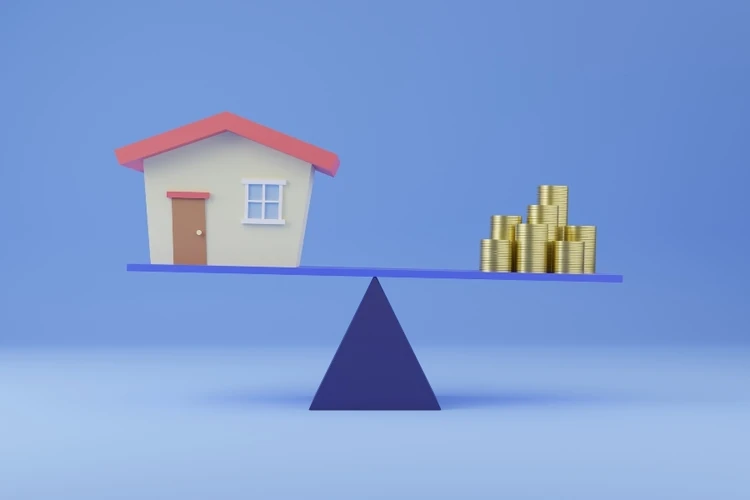
For example, in July when home prices were at their peak, we explained what it means to be “house poor.” Two thousand other websites linked to the piece, which was designed to help would-be homebuyers understand all the costs associated with homeownership.

We also helped consumers better understand and care for the technology they use every day. In June we reported “The hot summer heat plays havoc not only with people, but smartphones too.” Among the advice we offered was a list of apps that monitor how much heat your device is absorbing. Three hundred thirty-two other media outlets linked to the story to help their readers.

Our coverage of scams also drew a lot of interest during the year. In March we reported “The ‘Zelle scam’ is spreading quickly across the U.S.” Since then scams involving the peer-to-peer payment app have multiplied, victimizing thousands of people. 

Consumer products, good and bad

Our coverage of consumer products, both good and bad, also drew a lot of interest. In April we reported that “Benjamin Moore ranks first with consumers doing interior paint jobs,” based on a survey by J.D. Power and an analysis of ConsumerAffairs reviews.

“I recently painted over a damaged surface with a Benjamin Moore light pastel over old dark red paint,” Trina, of Burbank, Calif., wrote in a ConsumerAffairs review. “It only took a few coats and now the walls look almost professionally done even though I'm an amateur. I highly recommend this paint.”

Stories about privacy were also front and center during the year as several large companies reported data breaches. Even non-profits were not immune to hackers. We started the year telling readers that Goodwill suffers another customer data hack, a story linked by 41 other sites.

Also in January, our story reporting that Vanilla Prepaid gift cards trigger a string of post-holiday complaints created a lot of interest, especially since so many consumers ran into the problem. 

“I bought a $100 Visa Card gift card a few weeks before Christmas, and I still can not use it,” Irina, of Wylie, Texas, wrote in a ConsumerAffairs review. “First of all, I was unable to access my card balance or register it. After trying repeatedly to access my card with no result, I called customer service on the back of the card and I was told that my card was deactivated for security reasons.” 

Andrea, of Buffalo, N.Y., had an even more intriguing experience. After buying a $100 gift card for her son, the card had a zero balance. She says she was told that right after the card was activated, the funds were withdrawn and used to register an internet domain. 

A surge in gas prices

All year long we covered the rapid rise in gasoline prices and the impact it was having on consumers. During the pandemic, when gas was cheap, the sale of recreational vehicles (RV) soared as Americans hit the road. But at the end of March, we reported “High gas prices have RV campers changing their plans.”

In 2021 we covered the rise of Bitcoin. In 2022 we covered its fall. In May we reported “Bitcoin's value continues falling to under $27,000.” That was in May. It’s now around $16,000.

The rise of mortgage rates this year turned the housing market upside down. Suddenly, record-high home prices kept many would-be buyers as renters. In April, 155 other sites linked to our story “More homeowners associations are seeking to limit rentals.”

It was a  record year for recalls, especially automotive recalls. Manufacturers recalled millions of vehicles for everything from lethal airbags to faulty backup cameras. “These cars haven’t been recalled, but maybe they should be” featured cars that haven’t been recalled but their owners have reported problems.
Article Image

Food and housing costs are still going up

Prospective homebuyers hoping for a big drop in home prices may have a longer wait. The Labor Department’s November Consumer Price Index (CPI) shows housing costs, which include rent, are still rising.

In fact, the report says the index for shelter was by far the largest contributor to the monthly 0.1% increase in the CPI. The cost of putting a roof over your head increased 0.6% from October, even though home sellers in many housing markets have cut their asking price.

For the year, housing costs have increased by 7.1%, making a home purchase much more difficult for many because interest rates have also risen.

Food costs are also rising

Food costs also continued to rise last month. The food index rose by 0.5% last month, slightly less than October’s 0.6% rise. Over the last 12 months, food costs have risen by 10.6%.

Where you buy food continues to make a difference in what you pay. The cost of food purchased at the grocery store and consumed at home has risen 12.1% over the last 12 months. The cost of restaurant meals is up just 8.5% on an annual basis.

Food has been a consistent inflation driver and has had an outsized impact on household finances. Four of the six major grocery store food group indexes increased in November. 

The index for fruits and vegetables increased 1.4%, a sharp rebound from October’s 0.9% decline. The price of cereals and bakery products rose 1.1%, slightly higher than the 1% increase in dairy products.

Egg prices are finally coming down

But there was some relief at the supermarket last month. The cost of meats, poultry, fish, and eggs fell 0.2% over the month after rising 0.6% in October. The prices of beef and pork were also lower last month.

Offsetting higher prices for food and shelter, the cost of energy plunged 1.6% last month, helped by a 2% decline in the price of gasoline. According to AAA, the national average price of regular is now $3.24 a gallon, nine cents a gallon less than a year ago.

Natural gas and electricity costs were also cheaper in November, defying mid-year forecasts that winter heating costs could hit record highs. So far, at least, that appears less likely.

The cost of used cars and trucks continued to fall after reaching record highs earlier this year. Used vehicle prices fell 2.9% in November and are down 3.3% over the last 12 months.

Article Image

Inflation increased in October but at a slower rate

The cost of living rose again last month, but not as much as expected. The Labor Department reports the Consumer Price Index (CPI) rose 0.4% from September – 7.7.% over October 2021.

When the government stripped out costs of food and energy, prices rose 0.3%, half the rate of September’s rise. But that doesn’t mean consumers didn’t feel some pain, especially in certain sectors.

The shelter index, which covers rent and mortgage costs, accounted for over half of the monthly all items increase. Rents continue to rise and mortgage rates moved sharply higher during the month.

Here are some other consumer items that cost more last month:

  • Gasoline prices rose 4% from September, 17.7% from October 2021

  • Electric bills rose 0.1% from September, 14.1% from October 2021

  • Food prices rose 0.6% from September, 10.9% from October 2021

Huge increase in heating oil prices

Consumers who heat with oil and filled their tanks last month got hit the hardest. The price of heating oil jumped 19.8% from September and 68.5% from October 2021.

While overall food costs continued to rise, eating away from home got a lot more expensive. Food consumed away from home rose 0.9% from September and 8.6% over the last 12 months. Food consumed at home rose 0.4% over the last month but the cost is up 12.4% since October 2021.

Some things consumers buy actually came down in price. The price of used cars and trucks continued to fall from its record high, declining 2.4% over the last month and is now just 2% higher than a year ago. New vehicles, meanwhile, rose 0.4% and cost 8.4% more than a year ago.

Clothing costs were also lower last month as retailers slashed prices to reduce inventory. Apparel costs fell 0.7% but are up 4% year-over-year.

Medical costs were also lower in October. Costs fell 0.6% from September but are up 5.4% from a year ago.

Article Image

Here’s what cost more – and less – in September

Consumers probably won’t be surprised to learn that inflation continued at a hotter-than-expected pace last month.

The Labor Department reports the Consumer Price Index (CPI) rose 0.4% from August to September and is up 8.2% over the last 12 months. Many basic costs consumers pay continued to rise.

For example, food costs rose 0.8% in one month, matching August’s increase. Over the last 12 months, the cost of food has risen 11.2%.

Breaking it down, the cost of food purchased at grocery stores and prepared at home was up 0.7%, also matching August’s increase. Year-over-year, supermarket food costs are up 13%.

The cost of fruits and vegetables was the biggest driver, rising 1.6% in one month. The cost of cereals and bakery products increased by 0.9% in September.

The index for meats, poultry, fish, and eggs rose at a slower pace, gaining 0.4% in the last month. The same is true of dairy products, which rose 0.3%.

Dining out got more expensive

Restaurants are beginning to catch up. The cost of food consumed away from home rose 0.9% in September and is 8.5% higher over the last 12 months.

In the food away-from-home category, the index for full-service meals increased by 0.4% and the index for limited-service meals increased by 0.6% over the month. 

Housing costs remained elevated last month but at least didn’t increase. The cost of shelter rose 0.7% in September, the same as August. The cost of putting a roof over your head is up 6.6% over the last 12 months.

The cost of medical care services – things like doctors' office visits – slowed considerably last month, rising just 0.1%. Those costs were up 0.8% in August and are 6.5% higher on the year.

Used car prices are coming down to earth

While new car prices continued to rise, the price of used cars and trucks continued to fall, dropping another 1.1% last month. For the year, however, used vehicle prices are up 7.2%.

Consumers also paid less for gasoline last month. The cost of gas was down 4.9% in September but is still 18.2% higher than a year ago. 

With winter on the way, other energy costs continue to rise. The cost of electricity gained 0.4% while natural gas costs surged 2.9%.

Article Image

Inflation has resulted in more consumers being unable to pay basic bills

If you’re struggling to pay bills amid rising inflation, you have plenty of company. A new LendingTree survey found an increasing number of consumers are late paying at least some bills.

In fact, 32% of Americans said they have paid a bill late in the past six months and 61% of them said it’s because they didn’t have enough money to cover the costs. Sixty-four percent of women were in that camp as opposed to 57% of men.

Utility bills were the most likely to go unpaid, or paid late. Close behind were credit card bills and the internet or cable bill.

All in all, 40% of Americans said they’re less able to afford their bills than a year ago, not surprising since inflation really took off in early 2022. Overall, 62% of Americans struggle to pay at least one bill.

Consumers are feeling the pain

When ConsumerAffairs analyzed recent consumer reviews, it was clear that inflation is a growing concern. For all types of companies, 82 reviews  since the beginning of June mentioned the word “inflation.”

Tonda, of Winston Salem, N.C., told us her Allstate Insurance bill went from $170 a month to $236 in 18 months. When she called to ask why, she didn’t like the answer.

“He had the nerve to say ‘inflation went up.’ I have never heard anything like that from any insurance company I have ever dealt with,” Tonda wrote in a ConsumerAffairs review. 

Actually, a lot of insurance customers have been getting that same message lately. When the Bureau of Labor Statistics reported August’s Consumer Price Index (CPI) it showed that car insurance rates jumped 1.3% from July to August.

‘Shrinking margin for error’

“Life is getting more expensive by the day and it’s shrinking Americans’ already tiny financial margin for error down to zero,” said LendingTree’s chief credit analyst Matt Schulz. “Unless they’ve been able to increase their income, millions of Americans have had to make sacrifices because of inflation to pay the bills. Perhaps the worst part is that inflation likely isn’t going anywhere anytime soon. That means that short-term quick fixes won’t cut it.”

In August, rent appeared to be the biggest contributor to inflation as home purchase prices eased. New and used car prices were down somewhat but rising interest rates have sent monthly payments into record territory.

With improvements in the supply chain recently food prices aren’t going up as much. Globally, the United Nations reports food inflation has actually declined over the last six months. Experts, however, don’t expect them to fall anytime soon.

We’ll get the next gauge on inflation when the government releases the September CPI later this week.

Article Image

With stock prices falling, some U.S. Treasury bonds are getting attention

Investors, especially those with large amounts of cash in their portfolios, may be wondering where to put money to work in an environment where the Federal Reserve is raising interest rates and the stock market and real estate are falling.

At its September meeting, the Fed raised a key interest rate another 0.75%, sending stock prices swooning. But as the price of assets like stocks and real estate goes down, the interest rate investors can get on their money has been going up.

After the Fed’s latest rate hike the yield on the Treasury Department’s two-year bond rose past 4% and, as of this writing, is still climbing. Savers, who have received almost nothing on their cash for nearly two decades, can invest in these bonds, which are backed by the full faith and credit of the U.S. government, and are guaranteed to get their money back in two years – along with a 4% profit.

I Bonds now pay 9.6%

An even higher-paying alternative is the Treasury Department’s I Bond, which is keyed to the inflation rate and currently pays an eye-popping 9.6%. Officially called the Series I Savings Bond, this savings instrument pays a fixed rate of return, along with a higher rate that is calculated on the rate of inflation and reset every six months.

“A combination of a fixed rate that stays the same for the life of the bond and an inflation rate that is set twice a year,” the Treasury Department said on its website. “For bonds issued from May 2022 through October 2022, the combined rate is 9.62%.”

According to Investors Business Daily, when the rate adjusts at the beginning of November, it’s expected to fall to 6% – still higher than most regular bonds. But before considering investing in an I Bond, here are some things to know:

Things to know

  • Individuals can purchase up to $10,000 in I Bonds each calendar year

  • You must hold the bond at least 12 months before cashing in. You will receive the original purchase price plus interest earnings

  • If you redeem an I Bond within the first 5 years, you'll lose your last 3 months of interest. For example, if you redeem an I Bond after 18 months, you'll receive the first 15 months of interest

  •  I Bonds can't be purchased and held in a traditional or Roth IRA. The I bonds have to be held in a taxable account

  • The interest and principal are paid to you when you cash the bond.

Before undertaking any kind of financial investment, it is always wise to carefully research the investment before acting. In this case, a good place to start is Treasury Direct, a U.S. government website.

In most cases, it will be helpful to seek the counsel of a knowledgeable and objective financial adviser.

Article Image

Should we actually be worried about deflation?

For the last few months consumer prices, as tracked by the U.S. Labor Department, have been shooting higher. In August, consumer prices were up 8.3% year-over-year.

So it might seem odd that a respected voice on Wall Street has since last year consistently warned that deflation – falling prices – is the bigger threat.

Cathie Wood, who heads the ArkInvest hedge fund, is sticking to her guns even as prices rise. Now, some other investors are starting to see it her way too. In recent days Tesla CEO Elon Musk and Jeffrey Gundlach, CEO of Doubleline Capital, have echoed her comments.

In a nutshell, here’s Wood’s hypothesis: Prices are rising now because of problems with supply. There still aren’t enough new cars, for example. But long term, she says that’s not a lasting trend.

Wood’s hedge fund invests mostly in growing technology “disruptors,” companies that shake up existing industries, like the way streaming is eating away at the cable industry. As these companies continue to grow, and as artificial intelligence (AI) is brought on line, Wood says the deflationary trend that actually began more than two decades ago, will pick right up again.

A mistake?

Wood -- and now Musk and Gundlach -- argue the Federal Reserve is making a huge mistake by continuing to hike interest rates to reduce inflation. All three worry that policy will throw the U.S. economy into a recession, reducing consumer demand precisely at the point when prices begin to fall.

“We are getting some loud voices now accompanying us on this deflation risk,” Wood said at an investor event this week. 

Musk and Gundlach have also been speaking out. Musk tweeted that the Fed should lower its key interest rate by 0.25% instead of raising it, noting that commodity prices, such as lumber and copper are well below their recent highs.

An economist weighs in

At least one economist has also joined the chorus. Writing in Politico, David Blanchflower, an economics professor at Dartmouth College, says the current Fed policy is “guessenomics, based on zero data.”

“More plausibly this path (of continuing to raise interest rates) leads to a hard landing with rising joblessness and an unnecessarily destructive economic recession,” Blanchflower writes and goes on to call for the Fed to cut, not raise interest rates. 

Fed policymakers meet next week and are expected to announce another rate hike of at least 0.75%, taking the effective federal funds rate to between 2.75% to 3%. An increase in the federal funds rate usually results in higher consumer rates on credit cards and auto loans.

The Fed’s money-tightening policy is one reason stocks – especially companies that are growing but not yet profitable – have suffered in recent months. Any sign that the Fed is considering a reversal of its present policy is likely to send the market higher.

Article Image

Food costs led consumer prices higher in August

Inflation remained as hot as the August weather last month as prices paid by consumers rose more than expected.

The Labor Department reports the Consumer Price Index (CPI) increased 0.1% in August after being flat the month before. On a 12-month basis, consumer prices rose 8.3% – up from July’s 8.1%.

It might seem like a small increase but government economists were hoping the index would actually go down. After all, gasoline prices have been steadily falling for weeks. 

The price at the pump fell 10.6% last month. But consumers were spending more money elsewhere, especially at the grocery store.

Food costs were sharply higher

The cost of food prepared at home rose 0.7% from July to August and is up 13.5% over the last 12 months. For the first time, the cost of food purchased in restaurants rose even faster, gaining 0.9% in one month.

Because food and energy prices tend to be volatile, economists remove them from the equation and look at the “core” rate of inflation. In August, the core rate was up 0.6%, a larger increase than in July and a worrisome trend should it continue.

The cost of housing, medical care, household furnishings and, operations, new vehicles, motor vehicle insurance, and education were among those that increased over the month. There were some costs that declined in August, including those for airline fares, communication, and used cars and trucks. 

Here’s how those one-month cost increases break down:

  • Shelter - up 0.7%

  • Medical care services - up 0.8%

  • Household furnishings - up 1%

  • New vehicles - 0.8%

  • Car insurance - up 1.3%

  • Education - up 0.5%

A few costs were lower

There were only a few areas where consumers paid less last month, led by gasoline, which was down 10.6% from July to August. Air fares also dropped dramatically, declining 4.6% following July’s 7.8% decline. 

The price of used cars and trucks continued to fall from its June peak. The used vehicle index declined 0.1% in August after falling 0.4% in July.

Article Image

You need $1,400 to meet today’s emergency expense, report finds

When the Federal Reserve issues its annual "Economic Well-Being of U.S. Households” report it always measures how many households have enough cash on hand to meet an emergency $400 expense.

But these days, very few emergency expenses cost just $400. LendingClub Corporation, in partnership with PYMNTS.com, has issued its own state of American households report and finds the Fed’s calculations are seriously out of date.

The report found that 46% of U.S. consumers have faced at least one unexpected expense in the last 90 days, with 56% of those emergency expenses costing more than $400. In fact, consumers' average emergency expense was more than triple that -- approximately $1,400.

"The need to update the $400 emergency expense benchmark is evident in this report," said Anuj Nayar, LendingClub's financial health officer. "Inflation in the last year, let alone the last decade, has made it much more difficult for consumers to save while staying on top of their expenses.”

The report confirmed recent findings that well over half of U.S. households live paycheck-to-paycheck. By spending everything they make, even upper-income households are saving little to nothing each month.

‘Difficult road ahead’

“Not only are consumers saving less every month, but they are likely to encounter an emergency expense, if not multiple, putting them at a greater risk for increased financial hardship,” Nayar said. “This fact paves a financially difficult road ahead for consumers."

After quizzing consumers about their unexpected bills, the researchers found very few expenses were under $400. Emergency expenses in 2021 averaged around $1,400 with high-income households and those actually saving money each month reporting even high unexpected expenses.

“With rising inflation and the increased cost of emergency expenses, the Federal Reserve's indicator of financial distress for over a decade is losing relevance,” the researchers write.   

High-income households might have more assets to draw upon to meet an unexpected bill. Middle to lower-income households are less likely to have that option, having to resort to credit cards or other high-interest loans.

Article Image

Lowe's to give $55 million in bonuses to hourly frontline workers

After reporting that it netted $3 billion in the second quarter, Lowe’s has decided to thank its hourly front-line associates with some of that profit – and in no small way, either.

"In recognition of some of the cost pressures they are facing due to high inflation, we are providing an incremental $55 million in bonuses to our hourly frontline associates this quarter," said Lowe's CEO Martin R. Ellison.

"These associates have the most important job in our company and we deeply appreciate everything they do to serve our customers to deliver a best-in-class experience."

These bonuses couldn’t come at a better time. With inflation continuing to sting Americans everywhere they turn -- from rent to car prices -- a little extra help in offsetting the current cost-of-living is a welcome gift. Lowe’s isn’t the only major company offering inflation-damping bonuses.

ExxonMobil, Microsoft, Walmart, T. Rowe Price, USAA, and others have also offered everything from gift cards to pay raises to help their workers make ends meet. 

Article Image

More consumers lived paycheck-to-paycheck in June, report finds

With the cost of living rapidly rising, the number of Americans who live paycheck-to-paycheck appears to be rising just as fast.

LendingClub Corporation, in partnership with PYMNTS.com, has released its periodic study of consumer spending patterns and found that 61% of consumers spend all of their money between pay periods. That’s up from 52% a year ago.

According to LendingClub, living paycheck-to-paycheck is the most common financial lifestyle in the U.S., with increasingly more high-income consumers now entering that category. However, the researchers also report that an estimated 33.5 million U.S. consumers – about 13% – actually spent more than they earned in the past six months by tapping savings or going into debt.

Inflation is a complicating factor

After the lowest income group, the survey shows that higher-income households are the most likely to barely scrape by. The biggest rise in paycheck-to-paycheck living occurred among consumers in households that earned between $100,000 and $150,000. Paycheck-to-paycheck living rates were up11% year-over-year in May 2022, and were at 52% in June 2022. That period coincides with a jump in the inflation rate.

"What a difference a year makes. Last summer we were all worried about how quickly the economy would recover. Now, as inflation continues its upwards swing, consumers are finding it more difficult to manage spending and are eating into their savings as financial pressures mount," said Anuj Nayar, LendingClub's Financial Health Officer. 

The survey found that 77% of households earning less than $50,000 a year were living paycheck-to-paycheck in June, which should come as no surprise. However, that’s a slight improvement from April when 79% of those households were in that category.

The generation that lived through the Great Depression had the highest savings rate of any modern demographic. Today, even high-wage-earners are more likely to spend all their money between paychecks.

A slight improvement in savings

Consumers in households that earn more than $200,000 a year are the only ones that actually saved a little more in June than in April. That group is also the most likely to have investments in stocks and bonds, and half of all investors reported their portfolios losing money in the last three months.

But even with declining assets and rising prices, Nayar says there is no evidence that consumers are slowing their spending habits. This could make them more financially vulnerable.

“Not only is it going to be difficult for them to handle future emergency expenses, but even foreseen payments like education, student loans, or housing expenses may be harder to balance for the everyday American consumer," Nayar said.

Article Image

Consumers are facing higher prices for a wide range of products

Large companies that sell products to consumers have a strategy for dealing with inflation. They’re passing higher costs on to their customers.

In recent days, major consumer brands such as Coca-Cola, McDonald’s, Unilever, and Kimberly-Clark reported second-quarter earnings. They all said they are willing to see sales go down slightly as long as they make more per sale. For example, McDonald’s has just announced it is increasing the price of its cheeseburger in the U.K. for the first time in 14 years. 

Unilever makes Dove shampoo and Ben & Jerry’s ice cream. The company recently reported that it has increased prices by an average of more than 11% on all of its products.  Kimberly-Clark makes Huggies diapers and Cottonelle toilet paper, and it reports that it has raised prices by an average of 9%.

Amazon has announced it is increasing the price of a Prime Membership in the U.K. and Europe. U.S. customers saw the cost of their Prime membership rise in February, so they may be safe – at least for a while.

Selling less but making more

Unilever reported that its sales dipped by 2.1% in the second quarter. But company officials said the sales decline was offset by increased prices for its products.

“We are pricing ahead of the market, and we’re prepared to tolerate low-single-digit volume declines and some compromise on competitiveness for a limited period of time in order to land that price,” Unilever CEO Alan Jope told the Wall Street Journal.

However, not all consumers are reacting the same way to rising prices. McDonald's officials have noted that many customers haven’t changed their habits, but lower-income consumers have “traded down” by ordering fewer combo meals and choosing more items from the “value menu.”

Switching to store brands

Many consumers are also pinching pennies at the grocery store. The Food Industry Association’s 2022 Power of Private Brands report shows that 40% of American consumers have bought more store brands since before the pandemic.

With inflation cutting into their spending power, nearly 75% of these shoppers plan to continue taking this route. More than half say they have switched to private brands because they are less expensive.

Federal Reserve policymakers are concerned about the toll that rising prices will have on consumer sentiment. This week, the Conference Board reported that consumer confidence declined in July for a third straight month.

“Concerns about inflation – rising gas and food prices, in particular – continued to weigh on consumers," said Lynn Franco, senior director of Economic Indicators at The Conference Board. 

Article Image

Inflation is making renting less affordable

Consumers who rented homes in June encountered sharply higher costs for shelter. The cost of renting pushed the Consumer Price Index (CPI) up last month to the fastest rate since 1986.

The part of the CPI that measures rent increased by 0.8% from May to June. Over the last 12 months, rent prices have increased by 5.8%.

Economists warn that rental costs will probably keep going up because so many people who would like to purchase a home have been priced out of the market by sharply higher mortgage rates.

“As a result of historically low housing affordability, many Americans have moved into rental properties in an effort to wait out the housing market, limiting demand,”  Chase Gardner, a researcher at Insurify, told ConsumerAffairs. “While rent prices are also rising across the country, they aren’t growing at quite the rate that home prices have over the past several years, so renting remains a better housing option for many Americans.”

That’s especially true in expensive housing markets like New York and San Francisco. But a new report from the Harvard Joint Center for Housing Studies points to rising rents as another pressure point for consumers coping with rising inflation.

Rents rose 12% in the first quarter

The report found that rents were up 12% in the first quarter of 2022, with increases in several metro areas exceeding 20 percent. 

“Rents for single-family homes rose even faster, pushed up by increasing demand for more living space among households able to work remotely,” said Daniel McCue, a senior research associate at the Center. “Adding to the pressure, investors moved aggressively into the single-family market over the past year, buying up moderately priced homes either to convert to rental or upgrade for resale.”

Gardner says a recent Insurify study on the relative affordability of renting vs. buying a home in hundreds of U.S. metropolitan areas found that housing prices can vary more extremely than rent prices city-to-city.

“So home values in an expensive location are likely to be disproportionately higher than expensive rent prices when comparing each to their respective national average,” he said.

In more affordable markets like Montgomery, Ala., or Memphis, Tenn., Gardner said purchasing a two-bedroom home may be more affordable than renting one.

If you're interested in learning more about which states offer the best prices for renting, check out ConsumerAffairs' guide here.

Article Image

Inflation rose 1.3% from May to June

Inflation roared ahead in June, rising 1.3% from May and 9.1% over the last 12 months. The Labor Department’s Consumer Price Index (CPI) showed higher costs in just about every sector of the economy.

Not surprisingly, the indexes for gasoline, shelter, and food were the biggest drivers of inflation last month. The energy sector was up 7.5% and contributed to nearly half of the increase. Within the energy category, gasoline was up 11.2%.

In comparison, food prices were fairly subdued. The food index rose 1% from May. Over the last 12 months, food purchased in grocery stores is up 12.2% while food consumed away from home, such as at restaurants, has increased far less – by 7.7%.

The cost of a new vehicle rose 0.7% from May to June. At the same time, the price of a used car or truck increased at more than twice that rate – 1.6%.

‘Pretty sticky’

Inflation has been rising at an increasing pace since the start of 2022. Chris Motola, economic and financial analyst at MerchantMaverick.com, says the underlying causes of inflation may not disappear soon.

“It's pretty sticky from the looks of it,” Motola told ConsumerAffairs. The (Fed’s) rate hikes may cause some demand destruction, but remember that a lot of the problems are still on the supply side. In aggregate, though, we're looking at elevated prices for the foreseeable future.”

“No one can predict how long the record-high inflation rates will last, but we know now by now that it isn't transitory,” Mark Spitz, CEO at CPI Financial, told us. “The ongoing war in Ukraine coupled with the pandemic lockdowns that are resurfacing in various parts of the world means that the food production and energy sectors will continue to get rocked.”

Motola says resolving the nagging issues in the supply chain will do more to bring inflation under control than a Fed policy of raising interest rates.

“Rate hikes may make a small dent while playing chicken with recession, but ultimately the issues constraining supply need to be resolved, whether that's related to COVID shutdowns, supply chains, or supply disruptions and sanctions related to the war in Ukraine,” he said.

Article Image

Inflation forces consumers to dip into savings

Inflation has soared since the start of 2022, but Americans appear to be coping so far. Higher costs don’t appear to have reduced highway traffic and crowded airports.

So how are consumers getting by? According to the Wall Street Journal, people are dipping into the significant savings they accumulated during the COVID-19 pandemic. 

Those nest eggs are substantial. Moody’s Analytics estimates that Americans saved $2.7 trillion of the government stimulus checks they received, which went into bank accounts along with other income that didn’t get spent on travel, dining out, and entertainment.

After months of inflation, consumers are saving less. Americans’ saving rate – what’s left after normal spending – fell to 5.4%. 

Most still have some cash

In April 2020, when the economy shut down to try to block the spread of the coronavirus, the U.S. Bureau of Economic Analysis put the saving rate at 34%. Moody’s Analytics estimates that consumers have spent about $114 billion of the money they socked away.

“Most households have a cash cushion to navigate through the very high inflation,” Mark Zandi, Moody’s Analytics chief economist, told the Journal. “This is allowing consumers to stay in the game.”

But how long can that last? A survey by J.D. Power shows that an increasing number of consumers would like to get more financial advice and guidance from their bank.

Researchers found that 59% of retail bank customers say they expect their financial institutions to help them improve their financial health. J.D. Power’s 2022 U.S. Retail Banking Advice Satisfaction Study suggests very few banks are delivering on that expectation. 

The survey found that overall customer satisfaction with the advice and guidance provided by national and regional banks is 30 points lower on a 1,000-point scale than it was 12 months ago.

“The data make it crystal clear: Retail bank customers want guidance, but many aren't receiving it,” said Jennifer White, senior director for banking and payments intelligence at J.D. Power.  “The tools banks have at their disposal aren't always being used or, when they are, they are not used effectively.”

Capital One scores highest in satisfaction

Capital One ranked the highest in customer satisfaction with retail banking advice in the survey, with a score of 629 on a 1,000-point scale. Citibank ranked second, and Bank of America ranked third.

Toya, of San Diego, is a particularly enthusiastic Capital One customer.

“This bank is just bomb,” Toya wrote in a ConsumerAffairs review. “I love them SOOOOOOOOOOOO much!!!!! They've been with me for years. This bank ALWAYS has my back. ALWAYS. It's a ride or die bank.” 

But when it comes to banks offering customers helpful advice, J.D. Power found a lot less enthusiasm. Fewer bank customers can recall receiving financial advice from their bank in the last 12 months.

“When two or more instances of advice are recalled by customers, overall satisfaction increases 52 points,” J.D. Power said in its study. “But a cookie-cutter approach will not suffice.”

The company says consumers expect advice and guidance to be personalized to their situation and be delivered at the right time.

Article Image

A traditional Independence Day cookout will cost 17% more this year

To measure the impact of inflation, you really don’t have to look much further than the traditional Fourth of July holiday cookout this weekend. This year’s feast will cost quite a bit more, according to the American Farm Bureau Federation.

The group estimates that consumers will pay $69.68 for their favorite Independence Day cookout foods, with the menu including cheeseburgers, pork chops, chicken breasts, homemade potato salad, strawberries, and ice cream.

AFBF’s marketbasket survey shows the average cost of a summer cookout for 10 people is $69.68, which breaks down to less than $7 per person. The total cost was $10 less last year, meaning the price is up 17% since 2021.

AFBF says the higher prices are the result of supply chain issues and the war in Ukraine. The money isn’t going into producers’ bank accounts.

“Despite higher food prices, the supply chain disruptions and inflation have made farm supplies more expensive,” said AFBF Chief Economist Roger Cryan. “Bottom line, in many cases the higher prices farmers are being paid aren’t covering the increase in their farm expenses. The cost of fuel is up and fertilizer prices have tripled.”

Burgers cost 36% more

The survey shows the retail price for two pounds of ground beef is $11.12, up 36% from last year. Several other foods in the survey, including chicken breasts, which have increased 33%, and pork chops, which cost 31% more, have risen by double digits over last year.

Even homemade potato salad, fresh-squeezed lemonade, pork and beans, hamburger buns, and cookies have increased in price from 2021.

Holiday chefs are getting a break when they purchase fresh strawberries, however. The price is down by 86 cents compared with last year.

Sliced cheese is down 48 cents, while potato chips have fallen 22 cents from last year. AFBF attributes those price declines to better weather conditions in some fruit-growing regions and greater retailer pricing flexibility for processed products.

Article Image

As inflation rises, more Americans are living paycheck to paycheck

Consumers who spend all of their money between paydays are in good company. A survey by PYMNTS shows that 61% of U.S. consumers were living paycheck to paycheck in April, 9% more than in April 2021.

Even more affluent Americans have little to nothing left over when their next paycheck arrives. The data shows that slightly more than 1 in 3 people earning $250,000 or more annually currently live paycheck to paycheck. 

The researchers found that these high-earning consumers handle their financial lifestyles in different ways. They are often associated with stronger credit scores and more intense credit usage and are likely to control their cash flows. 

Consumers earning more than $250,000 a year are 40% more likely to use financial products than consumers in the lowest bracket, and as many as 63% of them have a credit score exceeding 750. 

In other words, living paycheck to paycheck appears to be a lifestyle choice. If they have the money, they spend it.

On the other end of the scale, consumers with lower incomes who live paycheck to paycheck generally do so because of financial distress. They have fewer attractive credit options than wealthier consumers.

Vulnerable to the ravages of inflation

Those with lower incomes are also more vulnerable to the ravages of inflation. When the cost of food and energy rose sharply this year, lower-income consumers who live paycheck to paycheck had little option other than to cut spending or tap into expensive credit, such as credit cards.

A report from LendingClub shows things didn’t get much better last month, with more Americans turning to high-interest credit cards to make ends meet. Americans paid off billions in credit card debt during the first months of the pandemic in 2020 but since then have added to balances. The trend has picked up speed with inflation, which is at the highest rate in 40 years.

Unfortunately, the interest rate on credit cards has moved higher with the Federal Reserve’s policy of increasing interest rates. According to LendingTree, the average credit card interest rate is now over 20%.

When households live paycheck to paycheck, it means they aren’t saving any money. A recent Harris Poll shows inflation is eating up money that might normally go into a savings account.

The poll found that 39% of women said they are saving less money than they did last year. Another 40% of hourly workers with a household income of less than $100,000 said they are saving less than last year or not at all.

Article Image

Inflation is hitting hourly workers especially hard, survey finds

Inflation is hitting just about everyone, but a new survey shows that it’s hitting America’s working men and women – those who work for hourly wages instead of salaries – the hardest.

A Harris Poll of hourly workers, commissioned by DailyPay and Funding Our Future, reveals how quickly rising prices have resulted in a reversal of fortunes in many households. Thirty-nine percent of women in the survey said they are saving less money than they did last year. Another 40% of hourly workers with a household income of less than $100,000 said they are saving less than last year or not at all.

The prices of some products are causing more distress than others. Eighty-one percent of hourly workers in the poll reported that higher gas prices have made it difficult to pay other expenses.

When asked to list the expenses that are causing financial hardships, 49% of respondents mentioned groceries, 48% listed gasoline, 40% said utility bills are causing economic distress, and 34% said it is harder to pay their rent or mortgage.

While these expenses are going up, many hourly workers said their incomes are not. Thirty-five percent said they haven’t received a raise in over a year. The less money these workers earn, the more likely they are to say their pay has remained flat.

The importance of emergency savings

All of these financial worries are taking a toll on personal well-being, with 77% of hourly workers saying their health has suffered because of financial worries.

"First the pandemic's immediate economic fallout, now record inflation and high gas prices have reminded us how important financial security and flexibility are for American families," said Shai Akabas, director of economic policy at the Bipartisan Policy Center. "It's crucial that we increase access to tools like emergency savings accounts and on-demand pay that help workers save for and weather turbulent times."

Previous research has made it abundantly clear that millions of people don’t have nest eggs available to cushion inflation’s blow. Last month, LendingClub Corporation published research showing that nearly two-thirds of the U.S. population lives paycheck to paycheck.

By its very definition, living paycheck to paycheck means you aren’t putting any money in savings or building an investment portfolio. As long as they pay their bills on time, these consumers remain creditworthy. However, it could take just one unexpected car or home repair bill -- or an increase of $5 a gallon for gasoline -- to change that.

Article Image

Mortgage rates jumped this week amid rising inflation

The already expensive 30-year fixed-rate mortgage got even more expensive this week. After Friday’s sharp rise in the Consumer Price Index, the rate for the most popular mortgage type rose from 5.62% to 5.86%.

According to Mortgage Daily News, it was one of the biggest one-day jumps in rates on record — and 5.86% is just the average. Homebuyers with lower credit scores can expect to pay well over 6%.

As recently as December, homebuyers were paying as little as 3% on a mortgage. The recent increase makes today’s house payments expensive enough to price many potential homebuyers out of the market.

Kate Wood, NerdWallet’s housing market expert, said that’s exactly what the Federal Reserve is trying to do – cool off the red-hot housing market to help ease inflation.

“The 30-year fixed-rate mortgage leaped the 5% threshold three weeks before May's 50 basis point rise,” Wood told ConsumerAffairs. “Since then, rates for the 30-year fixed have fluctuated but stayed above 5%. Even though we're anticipating additional increases to the federal funds rate throughout the remainder of the year, it's possible that mortgage lenders have already built these into their offered rates.”

The difference in a 3% and a 6% rate is significant: The payment on a $250,000 mortgage at 3% is $1,050. At 6%, it's $1,499 – an extra $5,388 per year.

Exploring other options

People determined to purchase a home in the near future are exploring other options. Adjustable-rate mortgages (ARMs) have become more popular because their average rate is currently below 4%. But, as the name implies, these rates can adjust over time — and they're currently moving higher.

Others are exploring 40-year loans. Financing a loan over an extra 10 years brings down the monthly payment, but it’s not without risk; with this option, you pay more in interest over the life of the loan.

“I have seen mortgage simulations where a borrower using a 40-year mortgage would pay in interest alone almost what they paid for the home – in essence, almost doubling the cost of the home,” Kristina Morales, a Realtor in Cleveland, Ohio, told us back in April.

Wood advises would-be buyers in this environment to shop carefully for a mortgage to secure the best terms. ConsumerAffairs has vetted the best mortgage lenders and gathered thousands of verified reviews to help you choose the right option for you.

Article Image

Nearly a quarter of Americans are putting off retirement because of inflation, survey finds

Americans say they’re putting aside their retirement dreams for the moment – at least until the price of consumer goods and inflation settle down.

The BMO Real Financial Progress Index, a quarterly survey conducted by BMO and Ipsos that measures Americans' opinions about financial confidence, found that nearly 60% of those surveyed think that inflation has adversely impacted their personal finances. Another 25% feel that rising prices have had a “major” effect on their finances.

The survey also showed that 36% of Americans have reduced their rainy day savings, and 21% have cut back on putting money away for retirement. Younger Americans – aged 18 to 34 – are taking the biggest hit, with over 60% of respondents in that demographic saying they have had to reduce contributions to their savings in order to make ends meet.

What people are doing to offset the growing costs of living

Consumers are taking a wide range of steps to keep their financial lives from crashing down around them. Some of them include: 

Changing how they shop for groceries. Forty-two percent of survey respondents are opting for cheaper items and avoiding brand names. Instead, they're buying more store brands and limiting purchases to necessary items.

Dining out less. Forty-six percent of the respondents said they either dine out less frequently or are consciously spending less when they do go out. 

Driving less. Thirty-one percent of respondents are driving only when it’s necessary to offset the soaring cost of gas.

Spending less on vacations. Twenty-three percent of consumers said they’ll be cutting back on some of the frills when they go on vacation or canceling their vacation plans altogether.

Cutting back on subscriptions. Twenty-two percent of respondents said they are ending subscriptions to their gym, streaming platforms, and other services to save money.

What financial plan experts suggest as best practices

ConsumerAffairs reached out to retirement planning experts to see what they suggest Americans do to gain some financial balance between their spending habits and rising inflation. Paul Tyler, the Chief Marketing Officer at Nassau Financial Group, said the first thing near-retirees should do is continue to work if they can.

“By continuing to work, near-retirees can continue to bring in a paycheck to cover surprise expenses and let their 401(k) balances grow a little longer,” he told ConsumerAffairs.

He added that cutting back on unnecessary expenses is also a good strategy right now.

“Analyze your credit card bills and see where you can conserve cash. Call your cable provider and request a discount. Tell your cell phone company your thinking of switching carriers and they may offer a discount. Plan errands to maximize your gas dollars.”

Another insight comes from Mark Williams, CEO at Brokers International. He says consumers should try to reduce expenses by cutting out certain "luxury" purchases, but he also notes that credit card spending is also something to keep an eye on.

"If you are noticing money is getting tighter, try not to start using your credit card more often and go into debt," Williams told ConsumerAffairs.

His suggestions for small changes you can make to your retirement strategy that might help?

  • Reduce the amount you contribute to your retirement accounts by reducing the withdrawal percentage you are contributing to your 401K, IRA, 403B, etc…
  • Reduce the amount of auto-withdrawal (if you have one) that is going to a savings account.
  • Reduce the amount you may be saving for secondary education.
  • Consider using the equity in your home for certain expenses by using a HELOC or other type of equity loan.
  • Consider increasing your deductible(s) on certain insurance policies (homeowners, car, boat, etc…) to reduce the monthly premiums. However, consumers should note that increasing deductibles means paying more out of pocket if there is a claim. If you take this approach, Williams says you should increase your safety net emergency savings account to offset the increase.
  • Consider a review of your life insurance policies and determine if you are overinsured. If you are, you could lower the face amount of the policies to reduce cost. This should be done after speaking to a financial advisor. 

"Always seek professional advice when making changes to any retirement strategy and that becomes increasingly more important the closer you are to retirement," Williams emphasized.

Article Image

Inflation pace slows but remains red hot

Consumers continued to face higher prices across the board in April. The Labor Department reports that its Consumer Price Index (CPI) rose 0.3% from March to April and is up 8.3% over the last 12 months.

While still high, the April inflation rate was down from March's 1.3% increase and 8.5% annual inflation rate.

Consumers paid more for housing last month, with the cost rising 0.5% from March and gaining 5% over the last 12 months. Food costs were also higher. Gasoline prices actually fell 6.1% from March, but as every motorist knows, they are back up in May.

For consumers on fixed incomes or those who live paycheck-to-paycheck, the surge in the cost of living can create significant challenges. Many personal finance advisers worry that rising prices will push some people to take out payday loans to try to make ends meet.

"Inflation is making it much more expensive to buy everyday items like gas and groceries, and for consumers who already struggle to make ends meet, payday loans may seem like the way to stay afloat,” Annie Millerbernd, NerdWallet’s personal loan expert, told ConsumerAffairs. “But we know that payday lenders build their business on folks who have to borrow again and again because they can’t pay off that first loan.”

To counter the repeat borrowing cycle, 16 of the 26 states that allow payday loans have adopted reforms that require lenders to offer borrowers free extended payment plans. But a recent report by the Consumer Financial Protection Bureau (CFPB) found that many borrowers continue to pay steep roll-over fees even with this protection.

Other options

Before going to a payday lender, Millerbernd says consumers should explore all other options.

“If a friend or family member can loan you some extra cash, that’s a much safer choice,” she said. “You can also try local nonprofits or charities, which may help with essentials like food.”

If you must borrow to make ends meet, Millerbernd suggests considering a loan that can be repaid in installments rather than all at once. Personal loans are usually a better option since they carry lower interest rates and the loans can be paid back in fixed installments over time.

“Buy now, pay later loans may be one way to afford some of those regular expenses without a credit check, just be sure you have a plan to pay it off on time," Millerbernd said.

Article Image

Consumer prices jump 8.5% in March

The cost of living continued to move higher in March, fueled by rising prices of gasoline, food, and housing.

The Labor Department reports that the Consumer Price Index (CPI) rose 1.2% from February to March and is up 8.5% over the last 12 months, the highest annual inflation reading since 1981.

The price of gasoline rose by 18.3% in March and was a major driver of inflation; it has increased by 48% over the last 12 months. The food index rose 1%, and the cost of food prepared and consumed at home gained 1.5%.

“The shelter index was by far the biggest factor in the increase, with a broad set of other indexes also contributing, including those for airline fares, household furnishings and operations, medical care, and motor vehicle insurance,” the Labor Department said in its release. 

Wake-up call

The only good news in the March numbers was the price of used cars. After months of steady increases due to the new car shortage, the index for used cars and trucks fell 3.8% over the month. But economist Joel Naroff, of Naroff Economics, says the March inflation report should be a wake-up call.

“The scary part is we’re pushing toward double-digit inflation and no one wants to see that,” Naroff told ConsumerAffairs. “No one wants to see 8.5% inflation.”

Naroff says housing inflation is being driven by a shortage of homes for sale, which has pushed prices consistently higher. 

“I mean, you’re talking about a six month supply of houses in most places, less than that in some areas,” he said. “Houses are on the market three to five days and if you’re on the market more than five days people wonder what’s wrong with your house.”

More pressure on the Fed

The latest inflation numbers, while not unexpected, will likely put even more pressure on the Federal Reserve to take action to curb rising prices. The Fed is widely expected to hike the federal funds rate by 50 basis points at next month’s meeting. 

Naroff said he would not rule out a 75 basis point hike, which would further increase the borrowing costs on auto loans and credit card payments. It all adds up, he says, to growing financial pressure on consumers.

“If you go through the details of food costs, every category is showing large increases over the year,” Naroff said. “With rent also jumping, the staples of life, food, energy, and shelter, are likely forcing some people to do without.”    

Article Image

Inflation shows no sign of letting up soon

The Labor Department reports that the Producer Price Index (PPI)  – the costs incurred by companies that make things – went up 10% in February. Making matters worse, the government revised January’s PPI up to 10% as well.

Economist Joel Naroff, of Naroff Economics, says that’s not good news for consumers. Eventually, those cost increases are going to get passed along to consumers, perhaps in areas where it will hurt the most.

“The surging food and energy prices are likely to move through the economy, but that takes time, so the expectation is that producer costs will continue to rise strongly over the next few months, though maybe not as massively as they have been,” Naroff told ConsumerAffairs.

There are two choices for businesses getting hit with these higher costs: Pass them along to consumers or absorb most of them and reduce their profit margins. Publicly traded companies may be less likely to do the latter.

Food and energy costs accounted for the biggest cost increase for producers last month. If those two categories are removed, the increase in inflation and the wholesale level drops to 6.6% – which is still the highest level in decades.

A pass to raise prices

The question for consumers is will these price increases persist, or will they be "transitory," as the Federal Reserve said in 2020? If they continue for at least a while, Naroff thinks it could flash a green light for businesses to raise prices permanently.

“For the last 10 to15 years, firms had limited pricing power,” he said. “I used to say that, outside of food and energy, the path from rising producer costs to increased consumer prices was random and often wound up at a dead end. Thus, price increases were frequently temporary or limited.”

Unfortunately, things seem to have changed now. Narroff says the result could be rising prices at the retail level.

“Now firms have pricing power and one way they have of retaining that power is to limit the reduction in prices as input costs decline - if and when they do,” Naroff said. “That is likely to be the case for as long as firms can keep that going.”

The Federal Reserve wraps up its March meeting today and is widely expected to increase a key interest rate as a way to keep inflation in check. While it might help, it would also increase the interest rate consumers pay on auto loans and credit card debt.

Article Image

Annual inflation increased by 40-year high in February

Inflation surged last month, rising 0.8% from January as consumers paid significantly more for gasoline, food, and rent. On a year-over-year basis, the Labor Department’s Consumer Price Index (CPI) rose 7.9%, the highest change to the inflation rate since January 1982.

The cost of gasoline rose 6.6% in February and accounted for almost a third of the monthly increase. For the last 12 months, gas prices are up 38%.

The food index rose 1%, and the food at home index rose 1.4%. Both were the largest monthly increases since April 2020. The cost of shelter rose 0.5% from January to February, rising 4.7% over the last 12 months.

Car prices improve while other costs go up

Economist Joel Naroff of Naroff Economics notes that rising prices were also present in most other areas of the economy, even though there was a glimmer of good news.

“The massive surge in used vehicles may finally be ending, as prices inched downward,” he told ConsumerAffairs. “However, there are no signs that vehicle costs will be falling much in the next few months.”

Meanwhile, the Labor Department reports real average hourly earnings for all employees decreased 0.8% from January to February, which is not a good situation when consumer prices are going up.

“Household costs are surging significantly faster than wages, so inflation-adjusted earnings dropped sharply in February,” Naroff said.  “Over the year, consumer spending power is down a huge 2.6%.”

What consumers are doing to adjust

Consumers have been taking steps to cut their spending in the face of rising prices, and those steps take various forms. Charles, of Fargo, N.D., told us he signed a service contract with Car Shield.

“Since I and my wife are retired, we can't afford to trade vehicles due to the current inflation rates for both new and used vehicles,” Charles wrote in a ConsumerAffairs review. 

Thomas, of Clarksville, Ind., tells us he has taken steps to protect his retirement savings by working with Noble Gold.

“Noble Gold's representative…helped me to handle the transfer of a portion of my IRA to gold,” Thomas wrote in his review. “A wise precaution in the inflationary environment ahead.”

Even when food and energy are removed from the equation, the February CPI was 0.5% higher. The Labor Department reports that the shelter index was by far the biggest factor in the increase, as rents continued to rise during the month. 

Article Image

Spike in gold prices may cause some to cash in

With surging oil prices and a war raging in Ukraine, the price of gold shot up this week, reaching its highest level in 19 months.

Tuesday’s price for the precious metal hit $2,069, just shy of the record high set in August 2020. Gold has lost a lot of its luster since that time, with more money moving into cryptocurrencies and away from the traditional inflation hedge.

The current rebound in gold prices may cause some people with gold jewelry or gold coins to consider selling. Fergus Hodgson, director at Econ Americas and deputy editor of the Gold Newsletter, says predicting where gold prices go from here is extremely difficult.

“There are many unknowns, particularly geopolitical developments,” Hodgson told ConsumerAffairs. “Given what we saw in 2020, though, there is substantial room for upward movement. This is not a bad time to sell gold, but prices could still rise plenty.”

At the moment, gold faces competing catalysts. On one hand, times of uncertainty caused by the Russian invasion of Ukraine tend to make gold an attractive safe haven.

However, the current state of the economy is necessitating a rise in interest rates. Not only are policymakers raising rates, but bond yields are also moving higher. Market analysts say rising rates sometimes make gold less attractive.

What to do before selling

With prices at current levels, gold dealers – including retail jewelry stores – may step up their marketing efforts. When prices rise, signs declaring “we buy gold” often appear in store windows. Hodgson says consumers deciding to cash in their gold need to do their homework and not take the first offer.

“Gold that is not in recognizable coin form is more difficult to value and subject to more variation in price offers,” he said. “Fortunately, one can find different local dealers and ask for offers, thus enabling comparisons. If you want to work with a more recognized dealer, subject to private arbitration, you can look for a member of the Professional Numismatists Guild.”

Whether consumers decide to sell their gold now may depend on where they think prices go from here. Market analysts appear divided on that point. 

Some believe prices can move well past the 2020 record, while others think the price hinges on what happens in Ukraine. Margaret Yang, a strategist at DailyFX, told CNBC that she believes gold will fall back to pre-crisis levels once the geopolitical dust settles.

Article Image

U.S. households face higher costs as gas prices hit record high

The average U.S. gasoline price hit a record high Tuesday as oil prices continue their surge. A key industry analyst says the move will prove costly for the average household.

According to AAA, the national average price of regular gas increased 11 cents a gallon from Monday to Tuesday, rising to a record $4.17 a gallon. That eclipses the previous record of $4.11 a gallon, set in July 2008.

Adjusted for inflation, however, the 2008 average price is equivalent to $5.37 a gallon in today’s dollars.

Even so, the sudden escalation in prices, triggered by worldwide sanctions on Russia, the world’s second-largest oil producer, is delivering a hammer blow to household budgets. In a research note published on LinkedIn, Edward Yardeni of Yardeni Research estimated that the rising price of oil will cost the average U.S. household an additional $2,000 to fill up their vehicles in 2022.

Impact beyond the gas pump

But the impact doesn’t end at the gas pump. Yardeni notes that rising fuel costs will spread throughout the economy, causing many businesses to raise prices.

“We estimate that the average household is currently spending at least $1,000 (seasonally adjusted annual rate) more on food as a result of rapidly rising grocery prices,” Yardeni wrote. “That’s $3,000 less money that households have to spend on other consumer goods and services, which also are experiencing rapid price increases.”

Economist Joel Naroff, of Naroff Economics, agrees that the surge in oil prices will have a ripple effect throughout the economy and will probably last for a while.

“Transportation costs rise so businesses pass those costs along to all their products, most of which have nothing to do with energy,” Naroff told ConsumerAffairs. “Sanctions are also making it harder to transport goods as airspace is affected and overland trucking and rail routes are being modified.  The global supply chain is being challenged further as a result.”  

Some regions affected more than others

A report released this month by Sen. Mike Lee (R-Utah) traces the rise in inflation and concludes that it will affect some areas of the U.S. more than others.

“Last year, the average inflation cost per household rose from roughly $100 in April 2021, when the annual inflation rate first started accelerating, to over $380 in January 2022 when it hit 7.5%,” the report by the Joint Economic Committee stated.

Americans in the Mountain region of Utah, Colorado, Arizona, New Mexico, Montana, Idaho, and Wyoming are expected to feel the effect of inflation the most, paying an extra $500 in household costs.

“Alternatively, those in the East South Central region, made up of Kentucky, Tennessee, Mississippi, and Alabama, are experiencing the lowest monthly inflation costs due to relatively lower inflation rates and average spending levels,” the authors wrote. 

Article Image

Consumers are dealing with inflation on several fronts

The cost of living is rising with increasing speed. This week, the Labor Department reported that consumer prices in December were 7% higher than the year before, led by energy, food, and automobiles.

But an analysis of ConsumerAffairs reviews shows that consumers are feeling the pinch just about everywhere. Even when they are satisfied with a company’s service, they can’t resist noting that costs aren’t what they used to be.

“Customer service is great,” Scott, from California, wrote in a review of Orkin. “Scheduling is an A also and it's done on the computer. But Orkin should be aware of fixed income customers and not go raising prices above the inflation rate. Other than that, they're excellent and they do the job.”

Kathryn, of Riverside, Calif., tells us she has noticed that even the cost of insurance for her pet has gone up in recent months.

“We chose Prudent Pet because it was affordable and covers possible hereditary conditions that a lot of other companies don’t cover,” Kathryn wrote in a ConsumerAffairs review. “The only complaint I have is that our premium jumped up and is about $20 MORE a month than it was last year, and our dog is not even two years old yet nor has he had any major health issues to cause such a big premium jump. It’s still more affordable than other companies I’ve looked into.”

A big increase since 2008

Michalina, of Clinton, Conn., has noticed a big change since she remodeled her bathroom in 2008. Granted, that was a long time ago, but inflation was practically non-existent during much of that time. 

“The crew was professional, considerate, and truly experts in this craft,” Michalina wrote in a review of Bath Fitter. “The price, however, was surprisingly steep given the amount of work and compared to 2008.”

Despite the price, Michalina gave Bath Fitter a 5-star review. Joe, of Rochester, N.Y., was also favorably impressed with Endurance Auto Warranty – except for the cost.

“The plans were a little pricey, especially for people that are on fixed incomes,” Joe told ConsumerAffairs. “I realized that it’s inflation time, but even so, for some people that need their vehicles, the prices are a little high.”

Difficult for consumers on fixed-incomes

So far, inflation doesn’t seem to have stopped consumers from spending. However, economists are concerned that conditions could change if prices continue to climb. And the latest evidence suggests that they will.

On the heels of the increase in consumer prices, the Labor Department reported this week that producer prices – a measure of costs at the wholesale level – were also higher in December, rising 0.2%.

The cost of services – things like pet insurance, pest control, and auto warranties – rose even faster, gaining 0.5%.