2024 Alzheimer's

Article Image

Skeletal muscle loss as you age may raise dementia risk

Dementia, which can affect people as they age, may have many different causes or contributors. A recent study presented at the annual meeting of the Radiological Society of North America points to a new one.

Researchers have identified skeletal muscle loss as a significant risk factor for developing dementia, particularly Alzheimer's disease (AD). This research highlights the potential of using brain MRI scans to detect early signs of muscle deterioration, offering a proactive approach to managing dementia risk in older adults.

Skeletal muscles, which account for about one-third of a person's total body mass, are essential for movement and physical activity. However, as people age, they naturally experience a decline in muscle mass. 

The study, led by Dr. Kamyar Moradi and a team of researchers from Johns Hopkins University School of Medicine, focused on the temporalis muscle—a muscle located in the head that aids in jaw movement—as a marker for generalized skeletal muscle loss.

The study involved 621 participants from the Alzheimer's Disease Neuroimaging Initiative cohort, all of whom were initially free of dementia. Researchers utilized baseline brain MRI exams to measure the cross-sectional area (CSA) of the temporalis muscle. 

Participants were divided into two groups based on their CSA measurements: those with large CSA and those with small CSA. Over a median follow-up period of 5.8 years, the study tracked the incidence of AD dementia, changes in cognitive and functional scores, and brain volume alterations.

A significant increase in risk

Findings revealed that individuals with smaller temporalis muscles were approximately 60% more likely to develop dementia, even after adjusting for other known risk factors. Additionally, these individuals experienced greater declines in memory, functional activity, and brain volume.

"This is the first longitudinal study to demonstrate that skeletal muscle loss may contribute to the development of dementia," said  Moradi. 

The study's co-senior author, Dr. Marilyn Albert, emphasized the importance of early detection through brain MRI, which could facilitate timely interventions such as physical activity, resistance training, and nutritional support to mitigate muscle loss and reduce dementia risk.


Article Image

Higher fitness equates to stronger cognitive abilities in study

Better cardiorespiratory fitness in older adults is linked to stronger cognitive abilities, even in those at higher risk for decline due to age or genetics, according to a study in the British Journal of Sports Medicine.

The research involved 648 healthy adults aged 65-80, measuring their aerobic fitness (VO2max) during treadmill tests and testing their cognitive abilities in areas like memory, processing speed, and executive function. The findings showed:

  • Higher fitness levels were associated with better performance across all tested cognitive skills.
  • This link held true regardless of age or the presence of the high-risk APOE4 gene.
  • Women, those with less education, and participants taking beta-blockers showed stronger benefits in some cognitive areas.

The study suggests aerobic fitness might enhance cognitive health by improving blood flow, reducing stress, and supporting brain structure. Researchers emphasize the importance of aerobic exercise for preserving brain health in older adults.

In a bid to explain the associations found, the researchers suggest that aerobic fitness may improve cerebral blood flow, reduce oxidative stress, forge new synaptic connections, boost the growth of neurons, and enhance neurotransmitter systems, as well as changing the shape and structure of grey and white matter.

Article Image

Breathing wildfire smoke may greatly increase the risk of dementia

Wildfires have become a common occurrence in the West, posing dangers to lives and property. But a new study published in JAMA Neurology has revealed an overlooked health risk from wildfires.

Research, led by Dr. Joan Casey from the University of Washington School of Public Health and funded by the National Institutes of Health, concludes that fine particulate matter (PM2.5) from wildfires poses a significantly higher risk of dementia compared to PM2.5 from other sources. 

The research highlights the growing concern over the health impacts of wildfire smoke, particularly in the Western United States where wildfires are increasingly common.

The study analyzed electronic health records of over 1.2 million members of Kaiser Permanente Southern California, aged 60 and older, who were initially free from dementia. The data, spanning from 2008 to 2019, allowed researchers to estimate PM2.5 concentrations by census tract and differentiate between wildfire-related PM2.5 and that from other sources.

Key findings

Key findings from the study indicated that for every microgram per cubic meter increase in average wildfire PM2.5, the likelihood of a dementia diagnosis rose by 18%. In contrast, the same increase in PM2.5 from other sources was linked to only a 1% increase in dementia risk. This stark difference underscores the unique threat posed by wildfire smoke, the researchers wrote

The research also examined how these risks varied across different demographics. It found that individuals under 75 years old, those living in economically disadvantaged neighborhoods, and certain minority groups, such as Asian and non-Hispanic Black people, experienced a stronger association between wildfire PM2.5 exposure and dementia incidence. 

The study suggests that socially and economically disadvantaged groups are particularly vulnerable to the health impacts of wildfire smoke.

Casey said the need for interventions to reduce exposure to wildfire PM2.5 as a means to potentially lower dementia rates and address socioeconomic disparities in health outcomes.

She also highlighted the broader implications of climate change, noting that as global temperatures rise, the frequency and intensity of wildfires are expected to increase, exacerbating the problem.

“It’s a global problem,” Casey said. “While individuals can protect themselves with air filters and masks, we need a global solution to climate change. It’s going to have to be many-pronged—many people have to be involved to solve this highly complex problem.”

Article Image

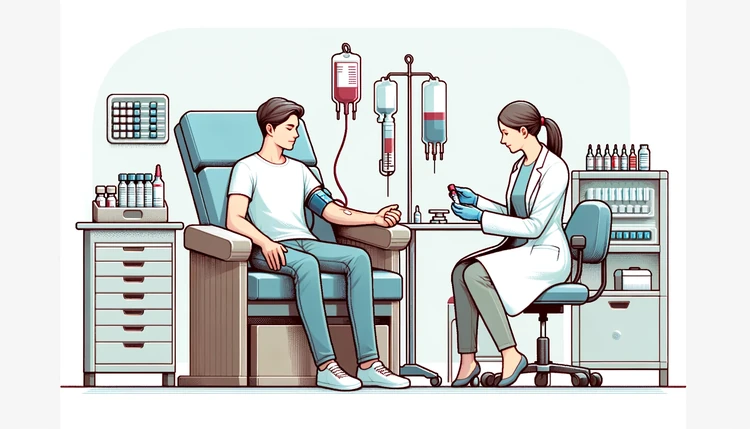
New blood test proves to be 90% accurate at detecting Alzheimer's

A new study conducted by researchers at Lund University in Sweden has found that a traditional blood test is showing promising results for detecting Alzheimer’s disease. 

Earlier studies have highlighted the efficacy of blood tests detecting p-tau217, a biomarker of Alzheimer’s. Now, this study is showing that the test can be effective in a traditional health care setting, making it easier than ever for patients to get an Alzheimer’s diagnosis. 

“The blood test can determine with 90% accuracy whether a person experiencing memory loss is suffering from Alzheimer’s,” said Lund University researcher Sebastian Palmqvist. 

“Early diagnosis is crucial as new treatments that slow the disease’s progression are developed,” said researcher Oskar Hansson. “For example, two immunotherapies have recently been approved in the USA and are expected to be available in Europe soon. An early and accurate diagnosis is also vital for facilitating research into new treatments.” 

Seeing the test in action

The researchers had over 1,200 participants with mild memory loss involved in the study. Nearly 700 participants were treated at a specialty memory clinic, while over 500 were treated by their primary care providers. 

In addition to receiving the blood test, the participants also had their cerebrospinal fluid tested. This is the primary way of diagnosing Alzheimer’s, so the researchers used the results to compare to the blood test results. 

Ultimately, the blood test was 90% effective at accurately diagnosing Alzheimer’s. Comparatively, primary care doctors had a 61% accuracy rate, while memory specialists had a 73% accuracy rate. 

“This underscores the lack of good, cost-effective diagnostic tools, particularly in primary care, and indicates the potential improvement in diagnosis with the adoption of this blood test in health care settings,” Palmqvist said. 

What happens now? 

Given the simplicity and ease of accessibility of a blood test, the researchers are hopeful that this testing method will become widely adopted. With more patients able to get tested, it will offer clear results to a wider population base. 

“The next steps include establishing clear clinical guidelines for the blood test’s use in health care,” Hansson said. “The test is already available in the USA and is likely to become available in many other countries soon. Initially, it will mainly be used in specialist memory clinics, and it may take approximately one to two years to implement guidelines and training in primary care.” 

Article Image

Anxiety sufferers could be at high risk of dementia

Millions of Americans suffer from anxiety, which is highly treatable. But more concerning, a new study suggests that people who suffer from anxiety when they are young are at a higher risk of developing dementia when they get older.

The study was published in the Journal of the American Geriatrics Society. It is believed to be the first study to explore any link between anxiety and dementia.

The research team assembled a group of more than 2,000 participants between the ages of 60 to 81, noting their use of tobacco or alcohol and whether they had other health conditions, such as high blood pressure or diabetes.

The study was broken into three assessments, or “waves,” that were at five-year intervals. In the first and second assessments, researchers determined anxiety levels for each participant.

By the end of the study, 64 participants had developed dementia. Chronic anxiety was associated with three times the risk of dementia from any cause. But anxiety that had been resolved by medication or other treatment was associated with little risk – about the same as subjects who had no anxiety.

New blood test

Meanwhile, a newly developed blood test may predict the onset of Alzheimer’s disease with up to 90% accuracy. In comparison, clinicians are able to accurately predict Alzheimer’s 73% of the time.

The test measures tau protein 217, which researchers say can indicate amyloid pathology. Some scientists say higher concentrations of the protein in the blood are common in the onset of dementia.

The Alzheimer’s Association says dementia is often underdiagnosed — and if it is diagnosed by a clinician, many people nonetheless are unaware or uninformed of their diagnosis. The association says that blood tests for Alzheimer’s are demonstrating in research that they could significantly improve a clinician’s accuracy and confidence and provide greater accessibility and a platform for enhanced communication.

“Blood tests, once they are confirmed in large populations to be more than 90% accurate and become more widely available, show promise for improving, and possibly redefining, the clinical trial recruitment process and the diagnostic work-up for Alzheimer’s,” said Maria C. Carrillo, Ph.D., Alzheimer’s Association chief science officer and medical affairs lead. 

“While at this time doctors in primary and secondary care should use a combination of cognitive and blood or other biomarker testing to diagnose Alzheimer's, blood tests have the potential to increase the accuracy of early diagnoses and maximize the opportunity to access Alzheimer’s treatments as early as possible for better outcomes.”