

Gas line replacement costs
An average gas line costs around $535, or $15 to $25 a linear foot, to install, including labor costs. However, depending on the material and length of the pipe, prices can range from $120 to $1,500 or more. The price of your gas lines depends on several factors, including the length, size and material of the pipe and installation.
Gas line replacement costs by type
There are many different types of gas lines used for various flow levels. Each type of pipe is designed for varying durability depending on the load capacity it will be dealing with. For example, PVC is used for low-pressure single-family homes, while galvanized steel and black iron are higher-grade and can handle up to 500 pounds per square inch (psi).
Here’s what you can typically expect to pay per foot of gas line:
| Type of gas line | Cost |
|---|---|
| Polyvinyl chloride (PVC) | 50 cents to $1.50 per linear foot |
| High-density polyethylene (HDPE) | 50 cents to $1.50 per linear foot |
| Copper | $1 to $3 per linear foot |
| Brass | $1 to $3 per linear foot |
| Flexible corrugated stainless steel tubing (CCST) | $2 to $4 per linear foot |
| Galvanized steel | $3 to $8 per linear foot |
| Black iron | $3 to $8 per linear foot |
Additional gas line costs
The costs of repairing and replacing your gas lines depends on the amount of material you need and the location of your pipes. For example, if your lines are underground or behind drywall, replacing them with labor and excavation fees could cost up to $5,000. Generally, though, you can expect to pay $45 to $150 an hour for the labor of installing new gas lines.
When replacing gas lines, you may also face permit costs and inspection fees, which can add up to $300 onto your bill. Additional costs include trenching or wall repairs and removal of old gas lines.
Factors affecting the cost to replace gas lines
Many things can change the total cost of replacing gas lines. Here’s a list of the most important factors:
- Length of the gas line: Longer runs need more materials and labor, making this the biggest cost driver.
- Type of material: Choices like copper, steel or flexible piping have different prices and lifespans.
- Accessibility: Lines under concrete, behind finished walls or in hard-to-reach places cost more to replace due to extra labor.
- Permits and inspections: Local rules may require permits and safety inspections, adding costs.
- Urgency of the replacement: Emergency repairs or after-hours service can raise labor charges.
- Geographical region: Labor and material costs change depending on where you live.
Homeowner vs. utility: who is responsible for paying for a gas line replacement?
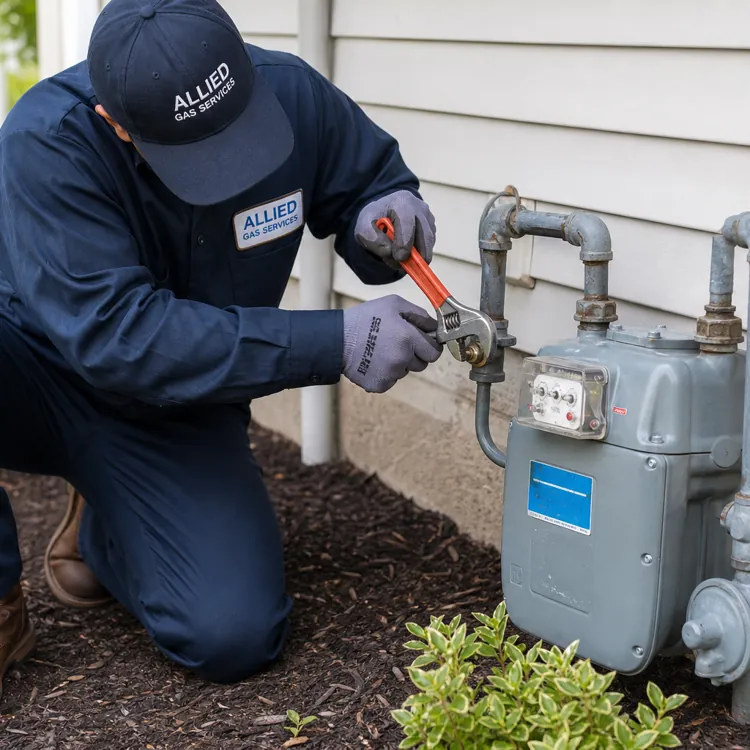
The gas meter acts as the demarcation point for gas line responsibility. The pipes and gas lines that run from the main utility line (located in the street) to the gas meter falls under the responsibility of the utility company. If this portion of the gas line needs to be replaced, you should report it to your utility. The utility is also typically in charge of maintaining the gas meter itself.
Everything past the gas meter, including all gas lines running under your property and connected to your appliances, is your responsibility as the homeowner.
Can you DIY a gas line replacement?
Gas line replacements and repairs can be extremely dangerous, so we do not recommend DIYing a solution. Even minor jobs should be left to the professionals.
When should a gas line be replaced?
Gas lines are built to last up to 50 years but should be checked often for damage. A professional should regularly inspect them for rust, corrosion, cracks and leaks to ensure they're running properly and are not hazardous.
Does your home warranty cover gas line repair or replacement?
Home warranties cover an extensive range of systems for normal wear and tear, including gas lines. This coverage is usually offered in the highest home warranty plan, in a plan that includes plumbing or as an add-on for an additional fee. However, home warranty contracts may have exclusions and coverage caps, so double-checking your contract might be worth it.
FAQ
How long do gas lines in your home last?
Gas lines can last up to 50 years but should be inspected around 20 to 30 years of age.
Do I need to have my gas lines serviced regularly?
Homeowners should have their gas lines serviced and inspected annually to make sure there are no leaks.
Do gas lines have a warranty?
No, gas lines do not have a warranty. However, home warranties typically cover gas lines with plumbing or service line coverage.
Do I need a permit to install or replace a gas line?
Yes, in most areas you need a permit to install or replace a gas line. Local building codes require homeowners or contractors to get the right permits before starting work. This makes sure the installation is safe and inspected by authorities. Always check with your city or county office for specific rules before starting a gas line project.
Bottom line
Faulty gas lines can also quickly become hazardous and cause fires and even explosions, so it's important to ensure they run properly. Calling a professional could cost $45 to $150 an hour, but you could also check if your home warranty plan covers gas line repairs and replacements to save some money.
Article sources
ConsumerAffairs writers primarily rely on government data, industry experts and original research from other reputable publications to inform their work. Specific sources for this article include:
- Benjamin Franklin Plumbing, “Common Signs You Need Gas Line Repair or Replacement.” Accessed July 8, 2026.
- Porch, “Do Home Warranties Cover Gas Lines?” Accessed July 8, 2026.
- Mattioni, “How Much Do Gas Line Repairs & Replacement Cost?” Accessed July 8, 2026.