

Home warranty furnace coverage
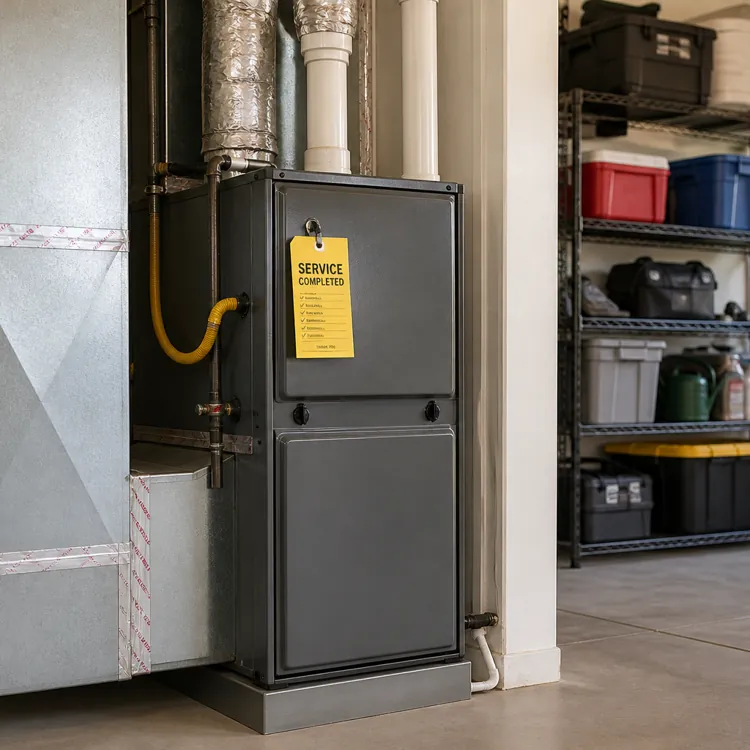
Furnaces last around 13 to 15 years, so chances are, you’ll need to replace at least one while owning your home. Most home warranties cover furnace repair and replacement, but it’s important to review your plan carefully to ensure it includes furnaces and that your specific type of furnace is included.
When a home warranty company covers furnaces, it often includes baseboard heaters, ductwork, and other components of the furnace system. Most standard plans cover gas, electric and oil furnaces if they are the main heating source. Here’s what you should know:
- Gas furnaces: Usually covered, including burners, igniters and heat exchangers. External fuel lines or venting may not be covered.
- Electric furnaces: Typically included; coverage often includes heating elements, blower motors and control boards.
- Oil furnaces: Commonly covered, but oil tanks, lines or delivery systems are often excluded. Some providers require proof of regular maintenance.
- Other types (propane, dual-fuel, etc.): Coverage may vary and could require optional add-ons.
A home warranty usually covers many essential furnace parts, but not every item. Always check your plan for specifics.
Commonly covered furnace components include:
- Blower motor
- Thermostat
- Heat exchanger
- Ignition system
- Burners and controls
Items often excluded from coverage are:
- Humidifiers or dehumidifiers attached to the furnace
- Fuel storage tanks
- Air filters and vents
Most home warranty companies cover furnaces as part of your home’s HVAC system alongside ductwork and an air conditioner, if you have one. However, just because a home warranty plan covers HVAC, don’t assume it covers furnaces. Additionally, if you have a standalone furnace, you should confirm whether units that aren’t integrated into an HVAC system are eligible. Your contract will provide a detailed list of what the plan’s HVAC coverage includes.
What does a home warranty typically cover?
A home warranty is designed to protect homeowners from unexpected costs associated with repairing or replacing household systems and appliances due to normal wear and tear. It provides peace of mind by helping to cover expenses when essential home items break down.
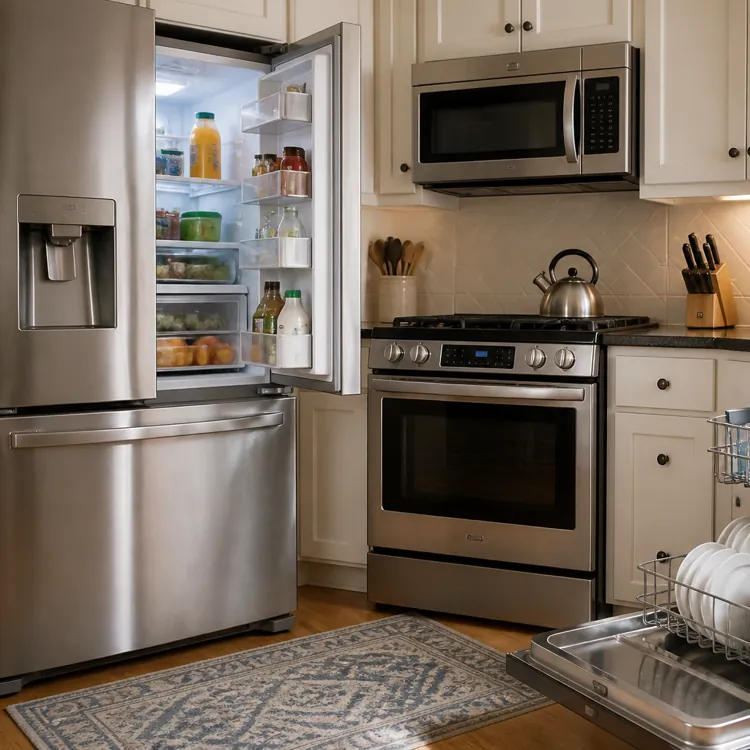
Along with furnaces and other HVAC components, home warranty plans often cover major home appliances, like refrigerators and ovens, and other home systems such as plumbing and electrical.
Furnace warranty coverage exclusions
Even if your home warranty plan covers furnaces, some limitations and exclusions may get your claim denied. Be sure to look for these stipulations in your contract.
Common circumstances that can lead to a claim denial include:
- Lack of maintenance records
- Preexisting conditions
- Improper installation
- Damage from rust or corrosion
- Cosmetic damage
- Repairs made by an unauthorized technician
- Furnaces that are still under a manufacturer’s warranty
Your contract may also include coverage caps. This means the home warranty company will repair or replace your furnace up to a certain amount. After reaching that cap, you’ll be responsible for additional costs.
Home warranty claim process for furnaces
If your furnace breaks down and you think it’s covered by your home warranty, follow these steps:
- Contact your home warranty provider: Find your provider’s customer service number or online portal. Many accept claims by phone or online, 24/7.
- Provide required documentation: Be ready with your contract number, details about the furnace issue and any maintenance records if asked. Clear information can speed up your claim.
- Wait for claim approval: The provider reviews your claim to decide if the furnace issue is covered.
- Schedule a technician visit: If approved, the company will send a licensed technician to assess and repair your furnace. You’ll usually need to pay a service fee.
After you submit your claim, the provider will tell you the next steps. A technician is usually sent within a few days, and most companies try to resolve issues quickly.
Bear in mind that most home warranty companies require you to remain current on preventative maintenance, so your repair claim could be denied if you’ve fallen behind on routine maintenance tasks. You may need to submit maintenance records as proof. Some providers make this easy for you by offering annual or seasonal HVAC tune-ups as part of their plans.
What to do if your home warranty doesn’t cover furnaces
If your home warranty plan doesn’t cover furnaces, you may be able to add it as an a la carte option. If not, check to see if any higher-tier plans cover them.
Another option is to check your furnace’s manufacturer’s warranty. You may be able to get repairs or a replacement without filing a home warranty claim.
Choosing a home warranty for furnace coverage
When selecting a home warranty plan, it’s essential to focus on your specific heating needs.
Taking the time to evaluate the following factors can help you choose a plan that provides reliable coverage and peace of mind.
- Coverage details: Look closely at the plan to confirm that furnace repair and replacement are included.
- Exclusions and limitations: Pay attention to what’s not covered, such as certain types of furnaces or preexisting conditions.
- Service network: Check whether the company uses qualified technicians and if you can choose your own contractor.
- Special cases: If you have an older HVAC system or mismatched HVAC systems, make sure to confirm that the provider can cover you before you commit to a warranty plan. It’s also wise to contact the company if you need second heating system coverage or live in a rental property or condo.
Choosing a plan that fits your budget is also key. Our research found that annual fees for a home warranty typically range from about $350 to $900, which works out to a monthly cost of $30 to $90. If your furnace fails, this could end up being worth it; heating system repair bills average $130 to $450 per visit, and the replacement cost is almost guaranteed to run into the thousands.
That said, remember that home warranty companies typically charge a service fee each time they come to your house — usually around $100 — so that will increase your cost. Coverage caps may also apply. This refers to how much the warranty provider will pay for furnace repairs or replacements before you are responsible for additional costs.
FAQ
What is typically included in a home warranty base package?
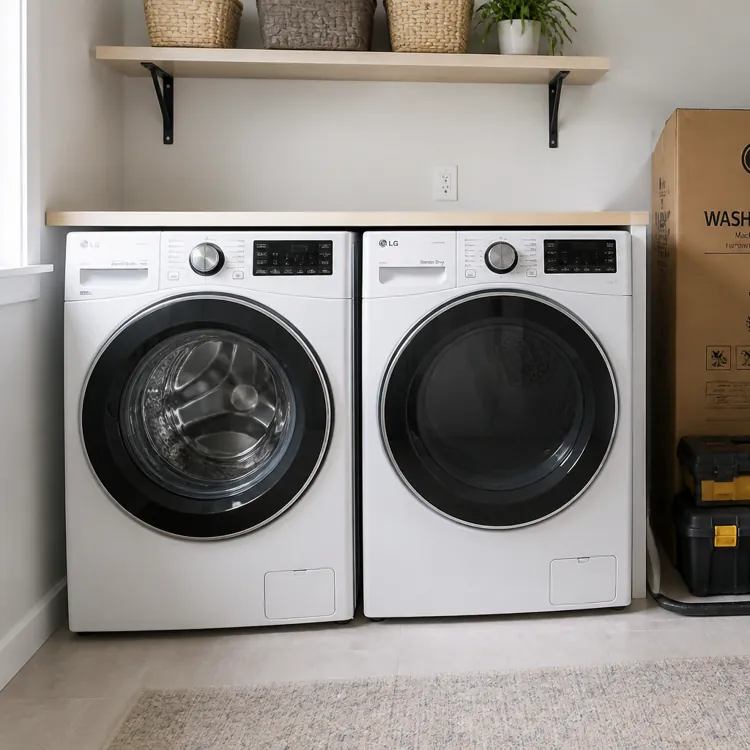
Home warranty plans typically include common home appliances and systems. Many base packages include built-in microwaves, ovens, dryers, washing machines, refrigerators, HVAC, pool pumps and more.
Do home warranties cover carbon monoxide?
Your home warranty will probably fix or replace the appliance or system causing the carbon monoxide problem, but it has to be covered in your contract.
What is the difference between home warranty and homeowners insurance coverage for a furnace?
While both a home warranty and homeowners insurance protect your home, they cover your furnace in different ways:
- Home warranty: Covers repair or replacement costs if your furnace breaks down due to normal wear and tear. If your furnace stops working from age or routine use, a home warranty may pay for repairs or replacement.
- Homeowners insurance: Usually only covers your furnace if it’s damaged or destroyed by events like fire, severe weather or certain accidents listed in your policy. It does not cover breakdowns from normal use or aging.
In short, a home warranty helps with mechanical failures from everyday use, while homeowners insurance protects against sudden, unexpected damage.
Bottom line
While not all home warranties cover furnaces, it’s not hard to find a good company that does. Just be sure to look for limitations and caps in your home warranty plan’s contract to be sure you’re fully covered.
Article sources
ConsumerAffairs writers primarily rely on government data, industry experts and original research from other reputable publications to inform their work. Specific sources for this article include:
- Cinch Home Services, “Do Home Warranties Cover Furnace Replacement or Repair?” Accessed July 30, 2026.
- Heavy Equipment Colleges of America, “HVAC Parts and Their Functions.” Accessed July 30, 2026.