
Home warranty central vacuum system coverage
Replacing a central vacuum system can cost anywhere from $1,150 to $3,500, so it’s important to have good coverage. Most home warranties cover both cyclonic and filtered central vacuum systems. However, many companies only cover the main components of a central vacuum system, such as the motor.
Note that it’s important to know the difference between standard coverage and add-on options. Most basic home warranty plans do not include central vacuum systems as part of standard coverage. Instead, this appliance is often listed as an optional add-on that requires an extra fee.
Here are some things commonly covered by a home warranty for central vacuum systems:
- Motors
- Blower fans
- Control panels
- Dust collectors
- Total system failures
- Inlet valves
What does a home warranty typically cover?
A home warranty is a service contract that helps cover the cost of repairing or replacing home systems and appliances when they break down due to normal wear and tear. It provides homeowners with peace of mind by protecting them from unexpected repair costs.
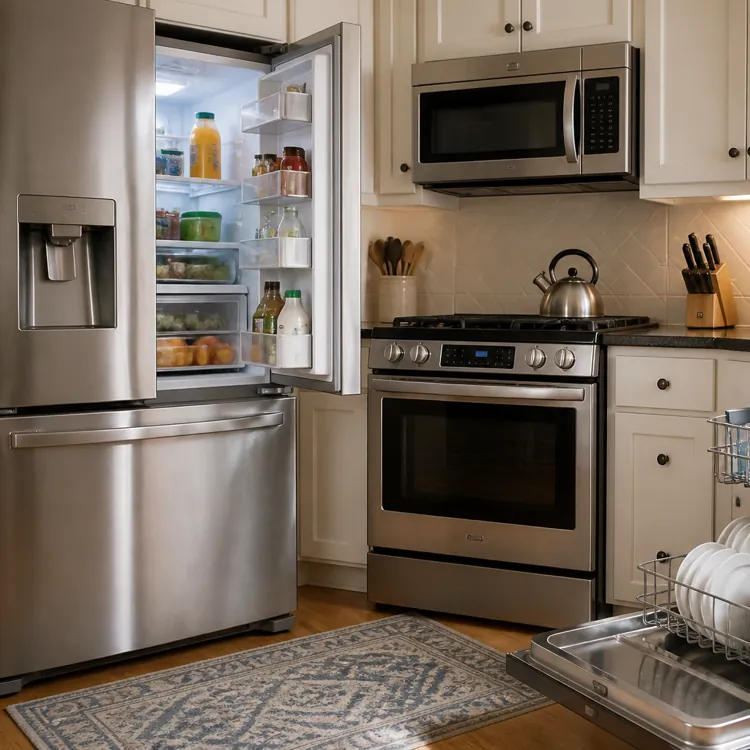
Most home warranties cover essential systems and appliances, including HVAC systems, plumbing, electrical wiring, and major kitchen appliances. Coverage can vary depending on the plan, but the most commonly covered items include:
- Heating and cooling systems
- Water heaters
- Plumbing systems
- Electrical systems
- Refrigerators and ovens
- Built-in microwaves
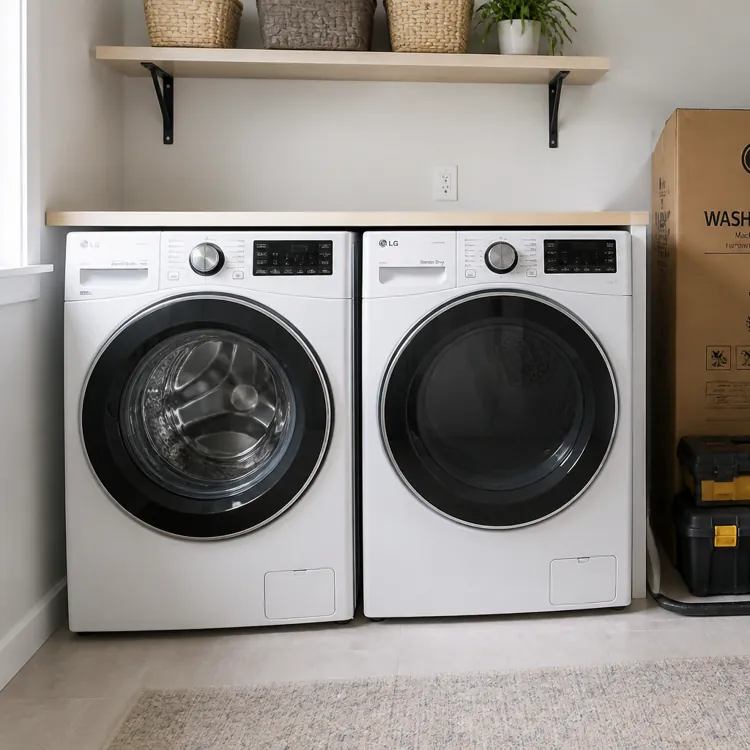
- Washers and dryers
- Garbage disposals
Some plans may also include optional coverage for items like pools, spas, septic systems and central vacuum systems.
Central vacuum system warranty coverage exclusions
Many home warranties have limitations and exclusions. So, even if your warranty covers central vacuum systems, these exclusions may result in claim denial. Most companies only cover total system breakdowns due to normal wear and tear and exclude things like weather damage. Here are some other reasons your claim may be denied:
- Cosmetic damage
- Damage caused by pets, pests or animals
- Secondary or consequential damage
- Power failure or surges
- Preexisting conditions
- Damage from misuse or abuse
- Generators
- Powered attic ventilators
- Rust or corrosion
- Inaccessible systems
- Acts of god
Coverage caps
Additionally, central vacuum systems have coverage caps. A cap means that the home warranty company will only pay up to a specified amount on parts and repairs, and then you are responsible for the rest.
Central vacuum systems usually have a limit per coverage period. For example, if your cap is $3,000 and your repair cost is $1,500, then you would still have $1,500 to use for future claim costs within your coverage period. If your repair fees were $3,500, you must pay the remaining $500.
Home warranty claim process for central vacuum system
If your central vacuum system breaks down and you think it is covered under your home warranty, follow these steps:
- Review your policy: Check your home warranty contract to confirm central vacuum systems are included and note any exclusions or service fee details.
- Contact your provider: Call your warranty company or log in to your account online to start the claim. Be ready to provide your contract number, appliance details and a description of the problem.
- Submit documentation: The provider may ask for maintenance records, the system’s age or photos of the unit and the issue.
- Schedule a service visit: After your claim is approved, the company will assign a technician who will contact you to set up an inspection and repair visit, usually within a few days.
Once the technician visits, they will assess your central vacuum system and determine if repair or replacement is covered. If approved, you may pay a service fee as outlined in your contract. Repairs usually begin soon after, but timelines can vary depending on parts and provider policies.
What to do if your home warranty doesn’t cover central vacuum systems
Most home warranty companies provide coverage for central vacuum systems, so if you find out yours doesn’t, you may be able to switch to a different package that does. Some companies only cover central vacuum systems as a systems add-on, so you might be able to receive coverage that way.
You could also check your homeowner’s or builder’s insurance policy to see if it covers central vacuum systems. These policies typically include your home's main systems and components, so it may be worth looking into.
Choosing a home warranty for central vacuum system coverage
When selecting a home warranty that includes central vacuum system coverage, it’s important to compare different companies and plans. Look for a plan that not only includes your central vacuum system but also provides adequate coverage for other essential systems and appliances in your home.
Here are a few tips for choosing the right home warranty:
- Check plan availability: Not all home warranties automatically include central vacuum systems. Some may offer them as an add-on or only in their premium plans.
- Review coverage limits: Compare the coverage caps to ensure they are high enough to cover potential repair or replacement costs.
- Read the exclusions carefully: Understanding what isn’t covered can prevent surprises when filing a claim.
- Consider customer service and reviews: Look for companies with a solid reputation and positive customer feedback for handling claims.
- Evaluate cost versus value: Balance the monthly or annual premium against the potential savings on repairs and replacements.
Taking time to review your options ensures you choose a plan that provides comprehensive coverage for your central vacuum system and other critical home systems.
FAQ
Do home warranties cover central vacuum systems?
Yes, many home warranty companies provide coverage for central vacuum systems with select plans or as an add-on.
What are some common issues with central vacuum systems?
The most common issues related to a breakdown for central vacuum systems are damaged wiring, leaky pipes and low suction that results in clogging.
What types of central vacuum system issues are typically covered?
Home warranties may cover repairs or replacement for mechanical failures due to normal wear and tear, such as motor breakdowns, power unit problems or issues with in-wall tubing. Coverage usually excludes problems caused by improper installation or lack of maintenance.
Bottom line
Central vacuum systems can help keep the air in your home clean, but finding good coverage for them can be tricky. A home warranty will most likely cover parts and repairs for your system. You can also check your homeowner’s and builder’s insurance policies to see if they provide coverage for central vacuum systems.
Article sources
ConsumerAffairs writers primarily rely on government data, industry experts and original research from other reputable publications to inform their work. Specific sources for this article include:
- Porch Warranty, “Do Home Warranties Cover Central Vacuum Systems?” Accessed Sept. 16, 2025.
- Liberty Home Guard, “Home Central Vacuum Warranty Coverage.” Accessed Sept. 16, 2025.