


Key insights
Divorce loans are personal loans used to pay for legal and court costs.
Jump to insightLoans may help in complicated divorces involving children, significant assets or urgent situations, like domestic abuse.
Jump to insightAlternatives like HELOCs, 0% interest credit cards or attorney payment plans will cost less.
Jump to insightDebt taken on during marriage is usually shared, but rules vary by state.
Jump to insightWhat is a divorce loan?
A divorce loan is just a personal loan that covers the costs of a divorce. These loan funds typically go toward lawyer fees, mediator fees and other costs associated with divorce.
Most personal loans can be used for any reason, including the charges associated with getting a divorce. Qualification for personal loans depends on your credit score, income and debt-to-income ratio.
Personal loans come with various loan terms and interest rates, so it’s important to compare several lenders to find one that fits your requirements.
How divorce loans work
Divorce loans are simply unsecured personal loans; therefore, they act just like any other personal loan. This means you can apply for the loan online, potentially get next-day funding.
Personal loans come with various loan terms and interest rates, so it’s important to compare several lenders to find one that fits your requirements. You’ll want to look for a loan that offers low rates and flexible repayment terms for affordable monthly payments.
Application process
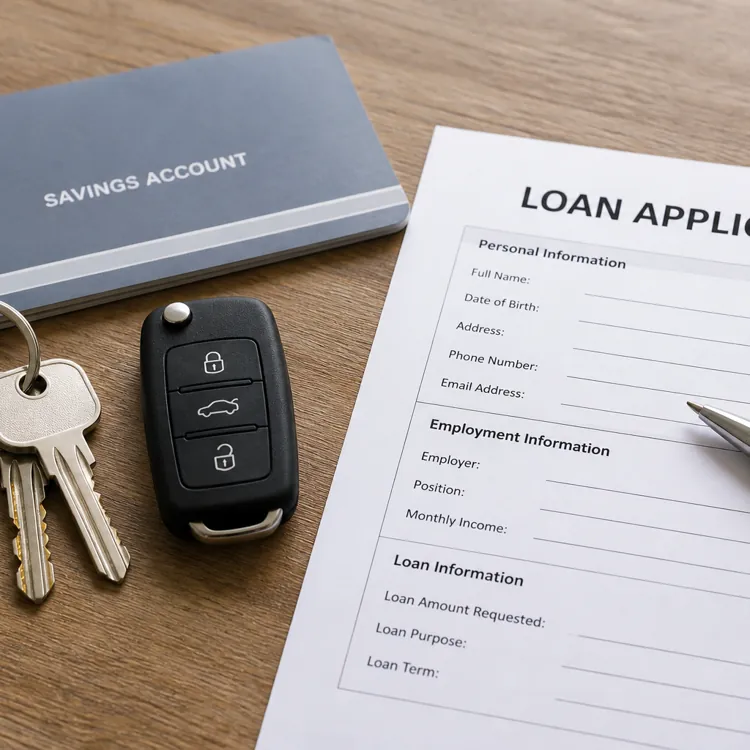
Once you pick a lender, you’ll need to complete a loan application. This typically includes providing personal and financial information, like your:
- Name
- Address
- Birth date
- Contact info (email address and phone number)
- Social Security number
- Income
- Bank account balances
- Debt balances
In the application, you’ll need to choose a loan amount as well as a loan term. The general rule is the longer your loan term, the lower your monthly payment will be — but the more you’ll pay in interest over the life of the loan.
Once you submit the application, you may also need to provide documentation to get approved. This can include:
- A copy of your photo ID
- Bank statements
- Tax statements
- Proof of income (pay stubs)
Once you’ve submitted everything, you can get approval fairly quickly, especially if you’re using an online lender. Funding usually happens within a few days after approval, but some lenders offer funding as soon as the next day.
When to consider a divorce loan
Whether a divorce loan is right for you depends on your personal financial situation and your relationship dynamics. While a divorce loan can help you cover some of the larger, immediate costs of getting a divorce, it’s not always the right choice.
Here are a few situations in which a divorce loan might be helpful:
When complex assets are involved
Shared property, retirement accounts or high-value items usually require a lawyer or other experts to protect your interests and ensure assets are divided according to state law. A divorce loan can help you cover those costs.
When children are involved
Ensuring your kids end up in the healthiest situation for them often requires experienced representation. Child custody cases can get complicated — and expensive. A divorce loan can help you afford the legal support needed to protect your children’s best interests.
If you need to end the relationship quickly
If the situation involves abuse, financial control or a spouse stealing assets, a divorce loan can provide fast access to funding. This can help the proceedings move forward as quickly as possible.
If you have no access to funds
Divorce comes with expenses from the initial filing fees to ongoing legal costs. If you don’t have savings available or your spouse controls joint accounts, a loan can provide the money needed to move the process forward.
Alternatives to divorce loans
Alternatives to divorce loans can help cover the costs of a divorce without taking on high-interest debt. While divorce loans provide quick funding, the following options may be more affordable in the long run:
- Home equity line of credit (HELOC): If you have equity in your home, you may be able to borrow against it with a lower interest rate and smaller monthly payment than a divorce loan. A HELOC is flexible, letting you open a line of credit but only borrow what you need.
- 0% interest credit card: If you need some extra funds to help pay for lawyer fees or other costs, a 0% credit card might help you temporarily pay for divorce services. Most 0% cards allow you to pay no interest for an introductory period of time (usually 12 to 18 months). You’ll want a payoff plan to ensure you can pay off the balance before the 0% period ends, but this can help you save on fees while paying for services.
- 401(k) loan: If you have a large enough 401(k) balance, you may be able to borrow against it. These loans use your retirement account as collateral and typically let you take out a portion of the balance. You’ll pay interest, and if you leave your job or can’t repay, the loan will be treated as a taxable withdrawal with added penalties.
- Local nonprofit aid: If you’re the victim of domestic violence, you may be able to get aid from a local nonprofit to help cover the costs of your divorce.
- Borrow from family and friends: If you’ve got a strong support system, borrowing from loved ones may give you the funds you need without interest charges. Just be mindful that relationships can be strained if you don’t repay on time.
- Attorney payment plan: Some divorce attorneys offer payment plans that let you spread out fees over several months instead of paying everything up front. This can make legal costs more manageable without taking on outside debt.
Ask your attorney about payment plans first
If they’re available, you might avoid taking out a divorce loan altogether.
» FIND OUT: The benefits and drawbacks of personal loans
Debt division in divorce
If you enter a divorce with both separate and shared debts, how each debt is handled may be different depending on the type of debt, where you live and when the debt occurred.
In general, debt taken on during your marriage is usually shared, while debt taken on before you were married or after you separate isn’t typically shared. That means you split the marriage debt after divorce, but individual debts before you were married and after you chose to separate belong to the individual.
For debts incurred while married, community property states split the bill 50/50 in most cases. In common law states, debt is divided in what courts consider an equitable way, based on factors like each person’s income, financial situation and future earning potential.
As far as debts incurred while you’re separated but not yet divorced, these debts are handled according to what kind of debt it is and the state in which you live.
In community property states that don’t recognize separation for debt purposes, debts occurring in joint accounts can still affect both parties — even if you didn’t spend the money. It’s a good idea to contact an attorney once separated to understand all the financial implications of being separated and divorced.
FAQ
How can I finance my divorce if I have bad credit?
If you have a poor credit score or a limited credit history, it can be hard to get approved for a divorce loan. You may need to look at other options, such as a 401(k) loan, a home equity loan or even funding from family or friends. You may also consider a secured loan that uses collateral (such as a car or jewelry) to help you get approved.
» MORE: Highest-rated bad credit lenders
What are the risks of taking a divorce loan?
A divorce loan adds to your debt load, and if you can’t repay the loan, it can hurt your credit score. A loan will increase the total cost of your divorce since you’ll pay interest and fees on top of the actual expenses. You’ll also most likely be responsible for the divorce loan in its entirety, even if you’re still married.
How do I choose the best financing option for my divorce?
Financing your divorce depends on your personal financial situation, the complexity of your divorce and the financing options you have available. If you’ve got the cash to spare, it’s usually better to pay out of pocket for services like a divorce attorney or mediator. But if you’ve got a complicated divorce and are tight on cash, a divorce loan can be a good option.
Can a divorce loan affect my credit score?
Yes, a divorce loan can affect your credit score in several ways. First, your credit score may drop slightly from the hard credit pull when you apply for the loan. Second, it will increase your debt utilization, which can hurt your score. If you miss any payments or end up in default on a divorce loan, your credit score could be impacted severely — and you could end up in collections.
Article sources
ConsumerAffairs writers primarily rely on government data, industry experts and original research from other reputable publications to inform their work. Specific sources for this article include:
- Consumer Financial Protection Bureau, “Can a debt collector contact me about a debt after a divorce?” Accessed Aug. 12, 2025.