

Paint warranty coverage basics
Most warranties won’t cover paint damage. They’re designed to protect your car’s mechanical and electrical systems when issues arise without a clear cause. The only exception to this is manufacturing defects. Your factory warranty may cover paint if an improper application or faulty materials cause damage.
Keep in mind that external factors, like collisions, vandalism or environmental conditions, don’t fall under standard warranty coverage. In these cases, you’d rely on your car insurance to address the damage or purchase a separate paint protection plan to keep your car’s exterior pristine.
» MORE: Learn what components are typically covered
Duration and coverage terms
The factory warranty length for paint typically ranges from three to five years or 36,000 to 60,000 miles, whichever comes first. Most manufacturers structure their paint warranty duration to align with the basic bumper-to-bumper coverage period. Some luxury brands extend paint coverage up to six years to demonstrate confidence in their application processes.
Paint warranty limitations become stricter as vehicles age, with manufacturers requiring documented maintenance records to validate claims. The specific terms vary by automaker, so review your warranty booklet to understand your paint coverage window and mileage restrictions.
What’s covered and what’s not
To recap, here are scenarios where paint may or may not be covered under warranty:
Possibly covered
- Manufacturing defects for up to a certain number of months or miles
- Peeling or flaking due to improper factory application
- Paint discoloration from faulty materials or chemical defects
- Bubbling caused by inadequate surface preparation during manufacturing
Not covered
- Damage from collisions
- Damage from environmental factors
- Damage from vandalism
- Stone chips and road debris damage
- Scratches from car washes or improper cleaning
- Fading from sun exposure or acid rain
Limitations and exclusions
Paint warranties often contain specific exclusions that can void your coverage entirely:
- Aftermarket modifications, including custom paint jobs, wraps or protective coatings applied without manufacturer approval, typically nullify factory paint warranties.
- Failure to maintain your vehicle according to the manufacturer's schedule can result in denied claims, even for legitimate defects.
- Environmental damage from tree sap, bird droppings or industrial fallout that isn't promptly removed may be excluded under the argument of neglect.
- Manufacturers often won't cover paint damage on vehicles used for commercial purposes, racing or off-road activities.
Understanding these paint warranty limitations helps you avoid actions that could jeopardize your coverage when you need it most.
What types of warranties cover paint?
You have a few options for warranties that might cover paint issues, depending on the cause: your factory warranty (which we covered above), an extended auto warranty or your car insurance policy (which isn’t technically a warranty).
» MORE: Learn how vehicle service contracts work
Factory warranty coverage
First up is the factory warranty, which comes with bumper-to-bumper coverage. This may cover factory defects like mismatched body panel colors on a new car, but it won’t cover paint damage from accidents or wear and tear.
Your factory warranty also includes powertrain and corrosion warranties. These don’t usually cover paint damage unless it’s directly related to the parts being repaired.
Extended warranty coverage
You can also get an extended warranty from a third-party provider or car dealership to supplement your factory warranty. Some protection plans might cover paint in specific situations, but others won’t.
A reviewer from Maryland learned this the hard way: “Nissan informed me that the paint warranty on its cars is three years and my extended warranty is not covering paint.” To get the most out of add-on protection programs, read the fine print and ask what’s covered before you sign anything.
Car insurance coverage
Lastly, your car insurance policy can help with paint damage in certain situations. Collision insurance covers damage from accidents, while comprehensive insurance covers damage from things like falling objects, hail or vandalism. These policies can help protect your car’s paint job if something unexpected happens.
Does your extended warranty cover paint?
When you buy an extended warranty for your car, you might think (or hope) it covers everything. But that’s not true — especially when it comes to your car’s paint.
Extended warranties don’t cover paint damage, like scratches, chips or fading, because these are cosmetic issues. Instead, they cover mechanical or electrical problems your manufacturer’s warranty doesn’t cover.
» MORE: Understand how extended warranty coverage works
Paint protection plans
Most dealerships offer paint protection plans as an alternative to extended warranties. These plans are marketed as focusing specifically on protecting your car's paint from damage that standard warranties exclude.
You may also see these plans marketed as “appearance protection,” “vehicle protection packages” or “cosmetic protection plans” through dealerships or third-party providers, like Assurant. These packages often bundle paint coverage with protection for interior surfaces, wheels, tires or windshield damage.
Paint-related coverage may include issues like bird droppings, tree sap, road salt, UV fading and minor scratches or chips, but coverage is typically limited to cosmetic repairs rather than full repainting.
When evaluating paint protection plans, consider the following:
- Ask providers about their coverage limits, deductibles and claim processes to understand your out-of-pocket costs.
- Verify what types of damage qualify for coverage, such as environmental etching, oxidation or paint defects that appear after the factory warranty expires.
- Compare whether the plan covers full panel repaints or only spot repairs, as this significantly affects the value you receive.
- Review the plan's transferability options if you intend to sell your vehicle, since transferable coverage can increase resale value.
- Be wary of dealer add-ons that may charge premium prices for limited protection.
- Request the full terms in writing before purchasing, and check customer reviews to assess how reliably the provider handles claims and repairs.
Author’s note
When I bought my first BMW, the finance manager sold me a paint protection plan without clearly explaining that it only covered preventative measures — not actual damage. Just two weeks after buying the car, I got a chip, and the dealership initially refused to fix it. I expressed my disappointment online, and only then did they make an “exception.” This is one example of why understanding what your paint protection plan covers — and being ready to advocate for yourself — is so important.
How to maintain your paint
Taking care of your car's paint isn't just about keeping it looking good — it also helps protect your warranty coverage. Regular maintenance can make the difference between a successful claim and a denied one if you discover manufacturing defects down the road.
Installing paint protection film, ceramic coatings or other aftermarket protective products without manufacturer approval may void your factory paint warranty.
If you want to protect your car's paint, here are some measures you can take:
- Have paint protection film (PPF) installed on your car. This is a clear, thin film that prevents scratches and chips. Many dealerships offer this as an add-on, but you may find it cheaper and better to use an independent installer.
- Get a ceramic coating every three to five years. This prevents oxidation and keeps the paint from dulling over time.
- Park in a garage or a covered carport to protect your car from the elements.
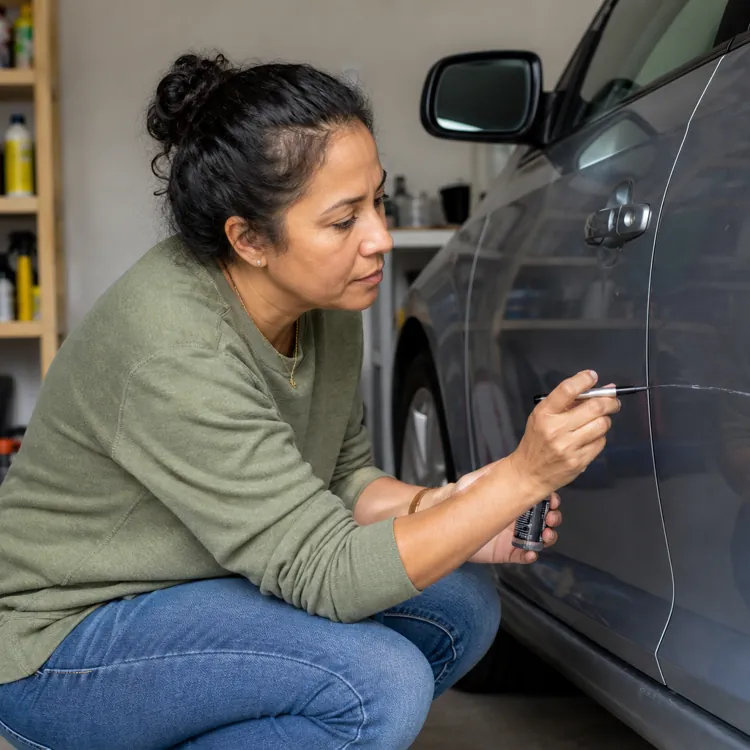
- Use touch-up paint if your car gets a small scratch or chip. This stops further damage.
- Wash your car every two weeks using pH-balanced car soap, not dish detergent, which strips protective coatings.
- Remove corrosive substances like bird droppings, tree sap and industrial fallout immediately, as allowing them to sit for more than 48 hours may be considered neglect under warranty terms.
- Keep detailed maintenance records, including receipts for car washes and detailing services, as manufacturers often require documentation to validate paint warranty claims.
How much does it cost to fix your paint?
As you might guess, the cost to fix your car’s paint varies depending on a few factors, including:
- How bad the damage is: Deep scratches or peeling paint cost more to fix than small scratches or chips.
- Where the damage is: Dings, scuffs or dents on a door panel might be cheaper to fix than a scratch on a curved bumper.
- The color of your car’s paint: Special colors or paints with unique finishes cost more because they’re not as common.
- The type of car you have: Some auto body shops charge more for paint jobs on higher-end cars.
Let’s say you need a basic whole car respray. This often involves sanding down the existing paint, fixing any dents or scratches, and putting on a new coat of paint. This process costs between $1,000 and $3,000 on average.
Your factory warranty might pay for it up to a certain number of months or miles — but only if your car has a factory defect that makes the paint come off too soon.
» MORE: Extended car warranty cost factors
Cost breakdown for common paint repairs
For a quick overview, StormWise Auto Body Shop, an auto body shop based in Lakewood, Colorado, provides average cost ranges for common paint repair types:
| Type of paint repair | Average cost |
|---|---|
| Advanced whole car respray | $3,000 to $5,000 |
| Basic whole car respray | $1,000 to $3,000 |
| Bumper | $300 to $800 |
| Door | $400 to $1,000 |
| Fender | $300 to $900 |
| Hood | $400 to $1,200 |
| Minor scratch | $200 to $600 |
| Paint chips | $100 to $400 |
| Paint paneling per panel | $200 to $800 |
| Roof | $500 to $1,500 |
| Scrapes | $300 to $800 |
| Touch-up for a small area | $50 to $150 |
| Touch-up for a medium area | $150 to $300 |
FAQ
Does a bumper-to-bumper warranty cover paint?
Bumper-to-bumper warranties may cover paint, but only for factory defects like improper application or faulty materials — not cosmetic issues like scratches, chips or fading. They're meant to cover manufacturing problems, like a leaking roof on a convertible. If you're worried about protecting your car's paint from everyday damage, you might need to buy a separate protection plan.
How long is paint typically covered?
The length of paint coverage varies depending on the car manufacturer. Common brands like Ford and BMW cover original factory-applied paint defects (not wear and tear) for three years from the day you buy the car or until you hit 36,000 miles — whichever comes first.
Will insurance pay for paint damage?
Your car insurance might cover paint damage if you have collision or comprehensive coverage. Collision insurance pays for accident-related damage, while comprehensive insurance handles damage from non-collision events like hail or vandalism. Just remember, you’ll have to pay your deductible before insurance starts covering the cost.
What voids a paint warranty?
Aftermarket modifications like custom paint jobs, wraps or protective coatings without manufacturer approval can void your warranty. Failing to maintain your vehicle according to the recommended maintenance schedule or neglecting to promptly remove corrosive substances like bird droppings and tree sap can also result in denied claims. Additionally, using your vehicle for commercial purposes, racing or off-road activities typically voids factory paint warranty coverage.
What should I do if I need to file a paint warranty claim?
If you need to file a paint warranty claim, first check your warranty documents to confirm that the issue is covered and whether you’re still within the coverage period. Then, contact your dealership or the warranty provider as soon as possible.
Be prepared to document the damage with photos and note when you first noticed it, since providers may deny claims tied to neglect or delayed reporting. You’ll typically need to bring the vehicle in for inspection at an authorized repair facility or dealership before any work is approved.
Before moving forward with repairs, get written authorization from the provider to avoid paying out of pocket. If your claim is denied, ask for a detailed explanation and review your contract. You may be able to appeal the decision or escalate the issue with the manufacturer or provider.
Article sources
ConsumerAffairs writers primarily rely on government data, industry experts and original research from other reputable publications to inform their work. Specific sources for this article include:
- Federal Trade Commission, “Auto Warranties and Auto Service Contracts.” Accessed March 31, 2026.
- Assurant, Inc., “Automotive Appearance Protection | Assurant Vehicle Care.” Accessed March 31, 2026.