NEWS    RECALLS    COMPLAINT FORM    SCAM ALERTS   RESOURCES  
Small Claims Guide   Class Actions   Lemon Laws   FAQ   Newsletters  
Bookmark and Share


Complain about a product or service

Automotive    Education    Employment    Electronics    Family    Finance    Health    Homeowners    Insurance    Pets    Shopping    Travel     Print This     Email This    


NEWS   Latest |  Archives |  Auto |  Cells, etc. |  Computers |  Financial |  Health |  Homeowners |  Parents |  Privacy |  Scams |  Seniors |  Travel

Cigarettes' Role in Fires Growing


August 9, 2004
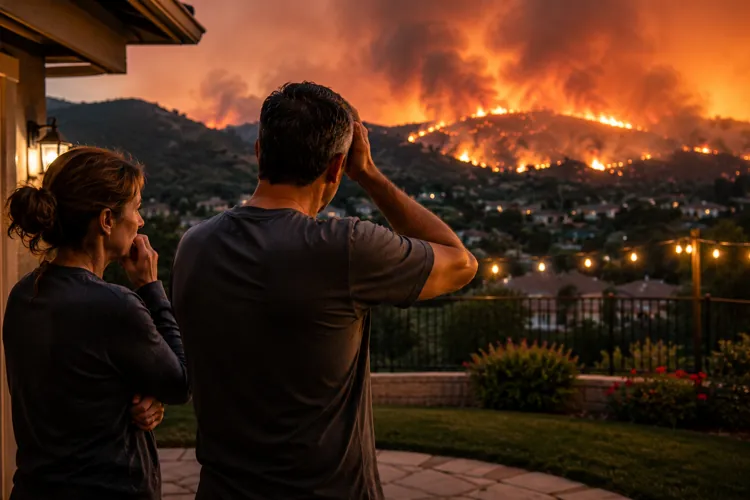
Smoking is hazardous to your health in more ways than one. They're the leading cause of fatal fires in the U.S., causing one of every four fire deaths, and while the overall incidence of house fires is falling, the number of fires started by cigarettes is rising.

The National Fire Protection Association (NFPA) says the number of fires started by cigarettes increased 19 percent in the most recent year studied. It's urging more states and cities to follow New York's lead in requiring that cigarettes be designed to stop burning when they're not being actively smoked.

New York is the only state that has passed the cigarette safety law. Starting in June 2004, cigarettes sold in New York must be self-extinguishing and all cigarette brands must be tested to make sure they self-extinguish at least 75 percent of the time.

"Cigarette fires are a major cause of death that we know how to address,'' said James M. Shannon, NFPA president and chief executive officer. "A cigarette touching something combustible can take significant time to produce a fire. Cut down the burning time of cigarettes and you can prevent fires."

NFPA's analysis sheds light on how cigarettes lead to fatal fires. Contrary to the popular image, most victims of smoking-material fires did not fall asleep smoking. Many are not even smokers. Rather, these fires typically started when someone abandoned or improperly disposed of smoking materials.

Most victims were in the room where the fire started, and most had some condition that limited their ability to get out. Often they were asleep, but a significant number were impaired by drugs, alcohol, disability or old age. Indeed, people older than 64 are more likely to die in smoking-material fires than younger people, even though they are less likely to smoke, accoording to the NFPA.

In 1999, smoking-material fires increased 19 percent over the previous year to 167,700, resulting in 807 civilian deaths, 2,193 civilian injuries, and $559.1 million in direct property damage. Deaths and injuries both decreased by 11 percent from 1998 to 1999, but property damage costs, adjusted for inflation, increased by 33 percent.

The effort to prevent deaths from cigarette-caused fires has a long history. In 1979, after a fire started by a cigarette killed five young children in a Boston suburb, the late U.S. Rep. Joseph Moakley (D-Mass.) introduced a bill that would have required the Consumer Product Safety Commission (CPSC) to regulate cigarettes as a fire hazard.

In 1987, a federally-mandated study found that it was possible to manufacture cigarettes that would be less likely to start fires.


CONSUMER NEWS

SAFETY RECALLS

Back to the top |


Custom Search
AUTOMOTIVE
• Dealers
• Manufacturers
• Service
• Extended Warranties
• Lemon Laws
• Recalls
• Tires
• Transporters

FAMILY
• Aging
• Children, Parenting
• Recalls
• Dating
• Education
• Entertainment
• Pets
• Weddings
FINANCE
• Annuities
• Banks
• Credit Cards
• Debt Collection
• Debt Counseling
• Insurance
• Investing
• Loans
• Mortgages
• Payday Loans
• Student Loans
• Tax Prep

HEALTH
• Doctors
• Drugs, Pharmacies
• Health Clubs
• Hearing Care
• Hospitals
• Nursing Homes
• Nutrition, Diets
• Vision Care
• Weight Loss
HOUSE & HOME
• Appliances
• Cookware
• Furniture
• Home Improvements
• Lawn & Garden
• Movers
• Pools & Spas
• Realtors, Rental Agents
• Recalls
• Utilities

ELECTRONICS
• Cable TV/DBS
• Cameras
• Cell Phones
• Computers
• Home Electronics
• Internet Access
• Local Phone Service
• Long Distance
• VoIP
SHOPPING
• In-Home
• Online
• Retail Stores
• Sporting Goods
• Supermarkets
• Telemarketers

TRAVEL
• Airlines
• Bus Lines
• Car Rental
• Cruises
• Hotels
• Travel Agents
• Trains

RESOURCES
• Class Actions
• Complaint Form
• Small Claims Guide
• Lemon Laws
CONSUMER NEWS
• Latest News
• Automotive
• Telecom
• Financial
• Health
• Homeowners
• Scams
• Seniors
• Travel
• More ...

RECALLS
• Automotive
• Children's Products
• Drugs
• Food
• Household Products
• Sporting Goods

ABOUT US
• FAQ
• Privacy Policy
• Advertise With Us
• Newsroom
• Syndication
• Terms of Use

Terms of Use Your use of this site constitutes acceptance of the Terms of Use

Advertisements on this site are placed and controlled by outside advertising networks. ConsumerAffairs.com does not evaluate or endorse the products and services advertised. See the FAQ for more information.

Company Response Welcome If complaints about your company appear on our site, we welcome your response. Please see the Response Form for more information.

For more information, see the FAQ and privacy policy. The information on this Web site is general in nature and is not intended as a substitute for competent legal advice.  ConsumerAffairs.com Inc. makes no representation as to the accuracy of the information herein provided and assumes no liability for any damages or loss arising from the use thereof. 

Copyright © 2010 ConsumerAffairs.com Inc.  All Rights Reserved.    The contents of this site may not be republished, reprinted, rewritten or recirculated without written permission.