In news that may frustrate would-be homebuyers, home prices are not falling, even though sales are. In fact, they’re still going up just about everywhere.
A new report from real estate broker Redfin found that home prices rose year-over-year in all 50 of the nation's most populous metropolitan areas in December. It’s the first time that has happened since May 2022.
The December increase contrasts sharply with the previous year, when only 41 metros experienced a rise in home prices. Redfin Senior Economist, Elijah de la Campa said the last year has brought a shift, noting that traditionally affordable cities like Cleveland and Milwaukee are now witnessing double-digit price increases.
Affordability is harder to come by
"Affordable housing havens have become harder to come by," de la Campa said in a press release, pointing out that even areas like Texas and Florida, which saw some price relief last year, are experiencing renewed price hikes. As a result, many prospective movers may turn to renting as a more affordable alternative, with rental affordability expected to improve as more supply enters the market.
The pandemic initially drove home prices to unprecedented heights due to record-low mortgage rates and heightened buyer demand. However, prices fell in 2023 when rates climbed to a two-decade high.
By April 2023, only 19 metros saw price increases, the lowest number since 2012. Over the past year, prices have rebounded as buyers adjusted to higher mortgage rates, compounded by a shortage of homes for sale.
Price growth heading into 2025
In December, home prices recorded their most substantial gain in nearly a year, rising 6.3% year-over-year to a median of $427,670.
Cleveland led the nation with a 15% increase in median home sale prices in December, followed by Milwaukee (14.5%), Philadelphia (14%), Miami (11.8%), and Chicago (11.1%). Bonnie Phillips, a Redfin Premier real estate agent in Cleveland, reports sellers are holding firm on high price expectations, often refusing to negotiate even minor discounts. This has strained affordability, forcing many buyers to compromise on their ideal home locations.
It’s a different story in Florida, however, as metros like Tampa saw minimal price growth, with a mere 0.5% increase, the smallest among the top 50 metros. Orlando and Jacksonville followed closely with 1.3% increases, while Austin and San Antonio in Texas saw 1.5% and 1.6% rises, respectively.
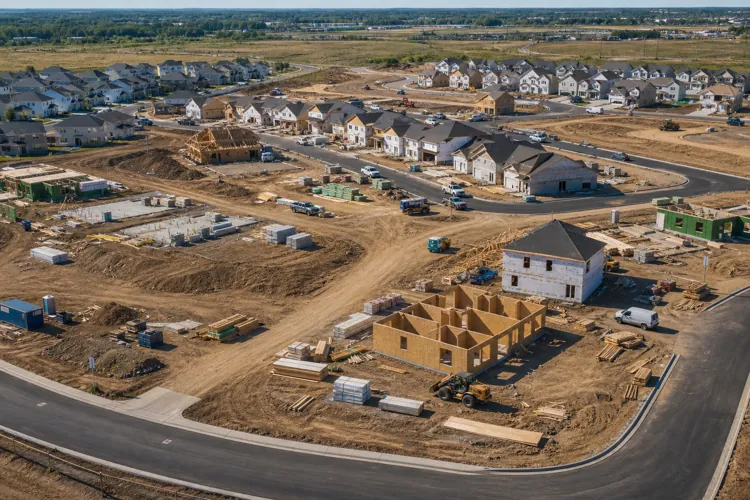
The slower growth in these areas is attributed to extensive home building, which has tempered price increases, alongside subdued buyer demand due to affordability constraints and concerns over insurance and climate issues in Florida.